

Enhancing Customer Engagement with Digital Table Talkers and Mini Displays

Enhancing Customer Engagement with Digital Table Talkers and Mini Displays

In today’s fast-paced, tech-savvy world, businesses are continuously looking for innovative ways to engage their customers and create memorable experiences. Traditional forms of communication like printed menus, posters, and brochures are being replaced by more dynamic and interactive digital solutions. Among these solutions, digital table talkers and mini displays have emerged as powerful tools that enhance customer engagement, improve marketing strategies, and create a more personalized experience.

What Are Digital Table Talkers and Mini Displays?

Digital Table Talkers are small, digital screens placed on tables, countertops, or other customer-facing surfaces. These devices are typically used in restaurants, cafés, and retail settings to display dynamic content, such as promotional messages, menus, product recommendations, or customer reviews. Digital table talkers replace traditional static paper signage, offering a modern, interactive alternative that can be updated in real-time.

Mini Displays, on the other hand, are small-sized digital screens that can be used in a variety of settings, from retail displays and point-of-sale (POS) systems to hotel lobbies or trade shows. These compact digital screens can be used to show product information, ads, or other dynamic content, often serving as supplemental displays to larger signage or screens in the environment.

Together, digital table talkers and mini displays are changing how businesses interact with their customers. They bring a fresh, engaging element to the customer experience while providing businesses with the flexibility to manage and update content with ease.

Key Benefits of Digital Table Talkers and Mini Displays

Both digital table talkers and mini displays offer a wide range of benefits for businesses looking to enhance their customer engagement and marketing efforts. Let’s look at some of the primary advantages of using these digital solutions:

1. Dynamic Content Delivery

One of the most significant benefits of digital table talkers and mini displays is their ability to deliver dynamic, up-to-date content. Unlike traditional paper menus or static displays, digital screens can show videos, animations, live feeds, and interactive content. For example, in a restaurant setting, digital table talkers can feature daily specials, limited-time offers, and even customer reviews, all of which can be easily updated in real-time through centralized management software.

For retailers, mini displays can showcase promotional videos, highlight new arrivals, or display personalized offers based on customer preferences. The ability to change content quickly ensures that the display is always fresh and relevant to the audience.

2. Enhanced Customer Experience

Digital table talkers and mini displays create an immersive and engaging environment for customers. In restaurants, for example, digital table talkers can be used to showcase a menu with images, videos, and detailed product descriptions. This is particularly useful for introducing new menu items or specials, as it allows customers to view high-quality visuals before making a choice. Similarly, mini displays can be used to highlight product features or provide interactive demos for customers in retail stores.

By offering a more engaging and informative experience, businesses can increase customer satisfaction and potentially boost sales. Customers appreciate having access to real-time, visually appealing content that helps them make more informed decisions.

3. Improved Efficiency and Cost Savings

Traditional signage requires constant updates, which can be time-consuming and costly. Digital table talkers and mini displays simplify the process by allowing businesses to update content remotely, ensuring that messaging remains relevant without the need for physical signage changes. For example, a restaurant can update its menu or daily specials across multiple digital table talkers simultaneously with just a few clicks of a button.

Moreover, businesses save money on printing costs, as digital displays eliminate the need for paper menus, posters, and flyers. This reduction in operational costs makes digital signage a more cost-effective long-term solution for businesses.

4. Increased Revenue Opportunities

Digital table talkers and mini displays also present revenue-generating opportunities. For instance, in a restaurant setting, digital table talkers can feature promotional advertisements or upsell items such as desserts, drinks, or special pairings. Restaurants can use these devices to promote items with high profit margins or those that are underperforming, encouraging customers to make additional purchases.

Retailers can also utilize mini displays at checkout counters or product displays to feature impulse buy items or special promotions. The ability to showcase ads and promotions right where customers make purchase decisions increases the likelihood of additional sales and higher revenue.

5. Customization and Personalization

One of the most powerful features of digital table talkers and mini displays is their ability to be personalized for individual customers. For example, in a restaurant, the content displayed on a digital table talker could be tailored to a specific customer’s preferences, showing them their favorite items or suggesting new dishes based on past orders. This creates a more personalized and engaging dining experience.

Similarly, in a retail setting, mini displays can be used to show personalized promotions or offers based on the customer’s previous shopping behavior. By utilizing customer data and preferences, businesses can create a more customized experience that drives loyalty and increases the chances of repeat business.

Conclusion

Digital table talkers and mini displays are powerful tools that are reshaping how businesses communicate with customers. These devices provide an opportunity to deliver dynamic, real-time content that enhances customer engagement, increases sales, and reduces operational costs. Whether in restaurants, retail, hospitality, or events, businesses are discovering the numerous benefits of digital signage solutions.

As customer expectations continue to evolve, the demand for interactive and personalized experiences will only grow. Digital table talkers and mini displays are at the forefront of this shift, offering businesses a way to stay ahead of the curve while delivering exceptional customer experiences. By embracing these technologies, businesses can create lasting impressions, drive engagement, and ultimately increase revenue.
P1.8 Indoor LED Video Walls

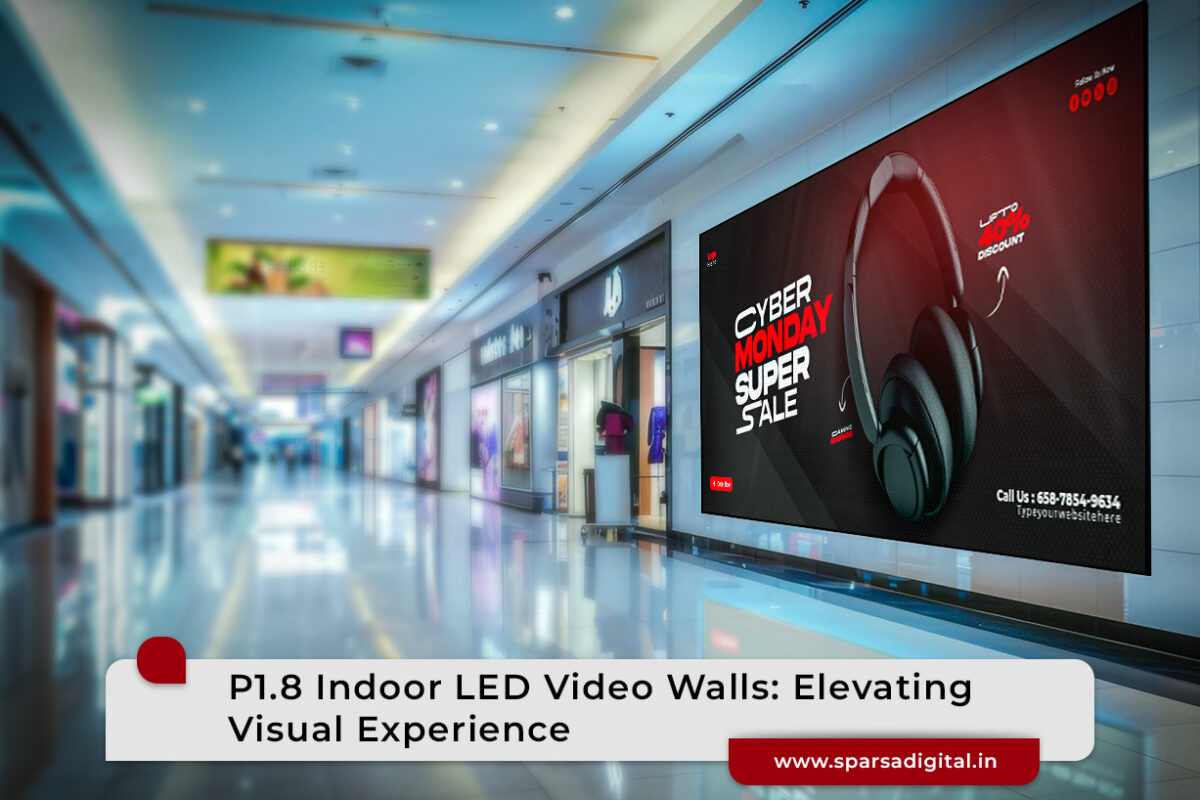
P1.8 Indoor LED Video Walls: Elevating Visual Experience

The digital display market is evolving rapidly, driven by technological advancements and the growing demand for high-quality, versatile display solutions. Among the most exciting innovations in this field are the P1.8 indoor active LED video wall and active LED screens. These technologies are redefining how we experience visual content, with applications spanning from commercial and retail spaces to entertainment venues and corporate environments.

In this blog, we will explore what makes P1.8 indoor active LED video walls and active LED screens so revolutionary. We will delve into their technical features, benefits, and practical applications, as well as their impact on various industries. Whether you’re a business owner looking to enhance your marketing strategy or a tech enthusiast curious about the future of display technology, this post will provide valuable insights into the world of advanced LED display solutions.

Understanding P1.8 Indoor Active LED Video Wall Technology

At the heart of this innovation is the P1.8 indoor active LED video wall. The term “P1.8” refers to the pixel pitch, which is the distance between the centers of two adjacent pixels on the LED screen. In this case, the pixel pitch is 1.8 millimeters, making it one of the finest pixel pitches available for indoor LED video walls. The smaller the pixel pitch, the higher the resolution and the clearer the image. This is especially important in environments where high-definition content is crucial, such as in retail displays, control rooms, and corporate presentations.

Indoor Led Video Wall

An “indoor” active LED video wall is specifically designed for use in indoor environments, where factors such as ambient light and space limitations need to be carefully considered. The active LED technology refers to the use of LEDs that can actively control each pixel’s brightness and color, offering more accurate and dynamic visuals compared to traditional passive displays.

Key Features of P1.8 Indoor Active LED Video Walls

  1. Ultra-high Resolution: With a pixel pitch of just 1.8mm, P1.8 LED video walls offer exceptionally sharp and clear visuals, even when viewed from up close. This makes them ideal for settings like trade shows, retail stores, and museums, where fine details are important.
  2. High Brightness: The high brightness levels of P1.8 LED video walls ensure that content remains visible and vibrant, even in well-lit indoor environments. This is particularly important in spaces with strong overhead lighting or large windows that let in a lot of natural light.
  3. Wide Viewing Angles: LED video walls offer wide viewing angles, allowing viewers to enjoy clear, consistent visuals from virtually any position in the room. This is crucial in large spaces like auditoriums or conference rooms, where the audience may be spread out.
  4. Seamless Integration: P1.8 LED video walls are designed to be modular, meaning individual panels can be seamlessly connected to create a large, unified display. This flexibility allows businesses to customize the size and shape of their video walls to fit the specific dimensions of their space.
  5. Energy Efficiency: Active LED technology is highly energy-efficient, ensuring that your video wall remains cost-effective in terms of power consumption. Despite their high brightness and resolution, P1.8 LED video walls use significantly less energy than traditional display technologies.
  6. Long Lifespan: LED technology is known for its longevity. P1.8 indoor active LED video walls can last for tens of thousands of hours, making them a durable investment for businesses and institutions.

The Rise of Active LED Screens

While LED video walls have become increasingly popular for large-scale displays, active LED screens are also gaining traction as versatile and dynamic solutions for various applications. Active LED screens, as opposed to passive displays, utilize advanced technology to control each individual pixel’s brightness, color, and refresh rate. This gives active LED screens a significant edge in terms of visual quality, responsiveness, and overall performance.

Active LED screens can be used in a variety of settings, from digital signage in retail stores to interactive displays in museums or corporate offices. Thanks to their modular nature, these screens can be customized to fit specific display requirements, ensuring that businesses can create unique visual experiences for their audiences.

Product Banner (1)

Advantages of Active LED Screens

  1. Superior Image Quality: The ability to control each pixel actively allows for more precise color reproduction and higher contrast ratios, ensuring vibrant, realistic images. Active LED screens provide an enhanced viewing experience, with crisp details even in fast-moving video content.
  2. Customizable Size and Shape: Like P1.8 indoor active LED video walls, active LED screens can be built to any size or shape, making them highly adaptable to different environments. Whether you need a small display for a retail counter or a massive wall-sized screen for a stadium, active LED screens can be tailored to your needs.
  3. Flexibility in Content Display: Active LED screens can display static images, videos, and even live content. With their high refresh rate and ability to display smooth, continuous motion, these screens are perfect for events, presentations, or digital signage applications.
  4. Interactive Capabilities: Many active LED screens feature touch-sensitive technology, allowing users to interact with the display. This opens up new possibilities for engaging customers, providing them with personalized experiences, or even offering interactive advertisements and product demos.
  5. Enhanced Durability: Active LED screens are built to withstand the wear and tear of frequent use. Their robust construction and advanced technology ensure that they can handle the demands of both indoor and outdoor environments.
  6. Energy-Efficiency and Low Maintenance: Active LED screens are energy-efficient and require minimal maintenance, making them a cost-effective long-term investment for businesses. Their long lifespan and low power consumption contribute to reduced operational costs over time.

Practical Applications of P1.8 Indoor Active LED Video Walls and Active LED Screens

The versatility of P1.8 indoor active LED video walls and active LED screens makes them suitable for a wide range of applications across different industries. Let’s take a look at some of the most common use cases for these advanced display solutions.

1. Retail and Digital Signage

In the retail world, capturing the attention of customers is paramount. P1.8 indoor active LED video walls are perfect for creating eye-catching digital signage that attracts passersby and encourages them to engage with the brand. Whether it’s promoting a new product, displaying an advertisement, or showcasing customer testimonials, the high resolution and vibrant visuals of LED video walls ensure that the message is delivered with maximum impact.

Active LED screens are also ideal for interactive retail experiences. For example, touch-enabled displays can allow customers to explore products, browse catalogs, or even make purchases directly from the screen, offering a seamless and engaging shopping experience.

2. Corporate and Conference Rooms

In corporate settings, P1.8 indoor active LED video walls are transforming boardrooms, meeting spaces, and conference rooms into dynamic environments for collaboration and communication. The high resolution and seamless design of the video walls make them perfect for presentations, video conferences, and live streaming events.

Active LED screens also play a crucial role in corporate settings, providing interactive solutions for brainstorming sessions, team meetings, and collaborative workshops. These screens can display real-time data, team updates, or digital whiteboards that foster collaboration and creativity.

3. Control Rooms and Command Centers

For mission-critical applications such as command centers, security monitoring, and network operation centers, P1.8 indoor active LED video walls offer unmatched clarity and reliability. Operators can monitor multiple video feeds and data sources simultaneously, with each screen providing detailed, high-resolution images for quick decision-making.

Active LED screens can be incorporated into control room setups to provide customized displays for different data types or to facilitate real-time communication between teams.

4. Entertainment and Events

In the entertainment industry, P1.8 indoor active LED video walls and active LED screens are increasingly being used in live events, concerts, theaters, and sports arenas. These screens are used to display stunning visuals, interactive content, or live footage, engaging audiences and enhancing the overall experience.

The ability to create large-scale, immersive displays with high resolution and vibrant colors makes these technologies particularly popular for events where visual impact is essential. The flexibility and scalability of LED screens also allow event organizers to design custom setups tailored to specific venues or event requirements.

5. Education and Museums

Educational institutions and museums are also adopting active LED technology to create interactive learning experiences. In classrooms and lecture halls, P1.8 indoor active LED video walls can be used to display educational videos, presentations, and visual aids in stunning detail.

Museums can benefit from active LED screens by using them to create immersive exhibits, providing visitors with interactive displays that enhance their learning experience. These screens can display dynamic content, 3D models, and even allow visitors to interact with exhibits using touch technology.

Conclusion

The P1.8 indoor active LED video wall and active LED screens represent the future of visual displays, offering high resolution, versatility, and advanced features that meet the needs of a wide range of industries. From retail and entertainment to corporate and educational applications, these display solutions are transforming the way businesses and institutions engage with their audiences.

As the demand for high-quality, interactive, and immersive displays continues to grow, the future of active LED technology looks incredibly bright.

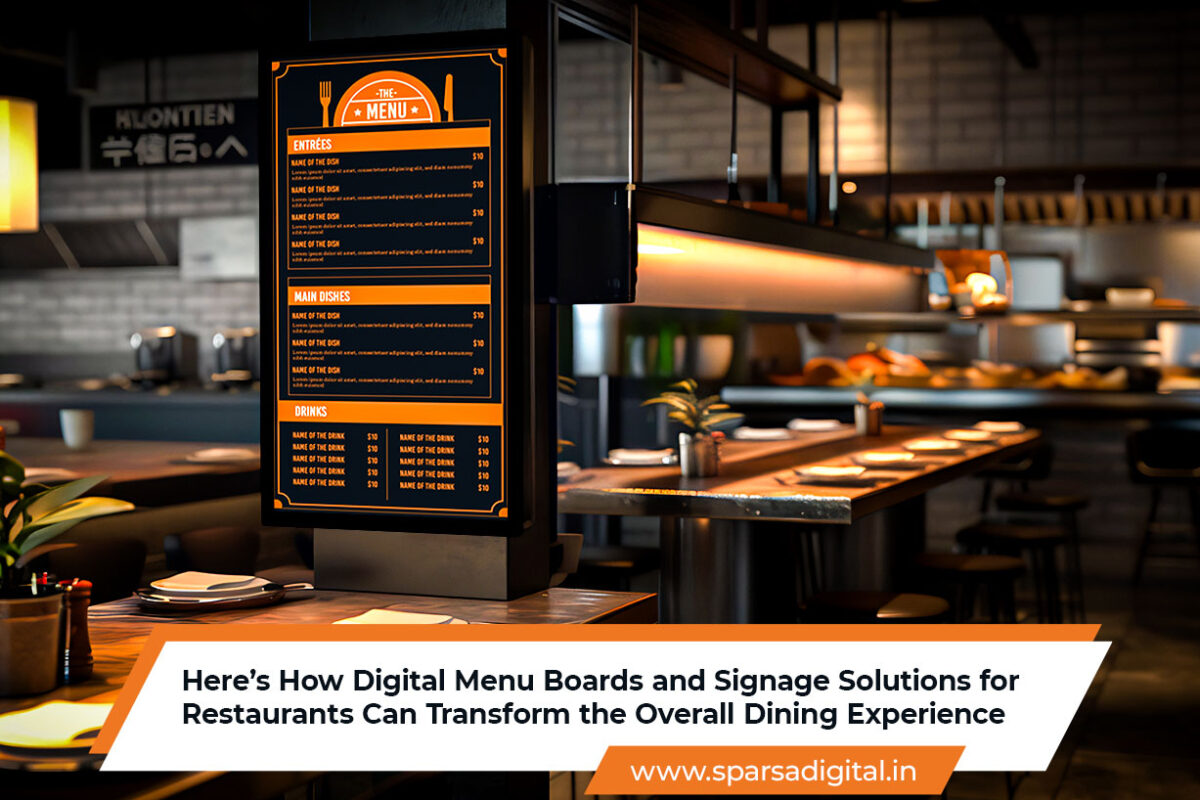
Here’s-How-Digital-Menu-Boards-and-Signage-Solutions-for-Restaurants-Can-Transform-the-Overall-Dining-Experience

Here’s How Digital Menu Boards and Signage Solutions for Restaurants Can Transform the Overall Dining Experience

In today’s fast-paced, tech-savvy world, restaurants are increasingly turning to digital menu boards and advanced signage solutions for restaurants to enhance customer experience, streamline operations, and elevate their branding. As the dining industry becomes more competitive, restaurants must embrace innovative technologies to stay ahead of the curve, and digital signage offers an incredible way to improve communication, engagement, and efficiency.

This blog will explore how digital menu boards and comprehensive signage solutions for restaurants are transforming the dining industry. We will look at the advantages they bring to restaurants, how to implement them effectively, and the best practices for using these tools to boost business growth.

What Are Digital Menu Boards?

Digital menu boards are electronic displays that replace traditional printed menus with dynamic, customizable, and easily updateable digital screens. These boards are often seen in quick-service restaurants, casual dining establishments, and even high-end eateries. They display food and drink items, prices, and promotional content in real-time and can be updated remotely using digital signage software.

Typically, digital menu boards use LED or LCD screens that present high-quality visuals of menu items, along with engaging videos, promotions, or even nutritional information. They come in various sizes and configurations, and can be tailored to fit the needs of a specific restaurant, whether for indoor or outdoor use.

The Benefits of Digital Menu Boards for Restaurants

1. Increased Efficiency and Convenience

One of the major benefits of digital menu boards is the increased efficiency they bring to restaurant operations. With traditional printed menus, updating prices, promotions, or items requires reprinting and physically changing the menus, which can be time-consuming and costly. Digital menu boards, on the other hand, can be updated instantly through digital signage software. Whether you’re adjusting prices due to market fluctuations, adding a new dish to the menu, or promoting a limited-time offer, digital menu boards allow for quick and seamless updates across all displays.

2. Better Customer Engagement

Digital menu boards help engage customers by providing a visually appealing and interactive experience. High-quality images or videos of food items can tempt diners, showcasing their favorite dishes in vivid detail. Videos of chefs preparing food or promotional videos can add an extra layer of interest and excitement to the dining experience.

Furthermore, digital menus can rotate or highlight certain menu items based on the time of day, customer preferences, or even external factors like weather. For example, a restaurant could promote breakfast items in the morning, lunch specials in the afternoon, and evening cocktails or desserts later in the day. This level of customization allows restaurants to engage customers with dynamic content, leading to better decision-making and higher sales.

3. Improved Branding and Aesthetic Appeal

Digital menu boards also play a key role in strengthening a restaurant’s brand identity. Restaurants can customize the look and feel of their digital signage to match their brand colors, logos, and fonts, creating a cohesive and polished visual identity. This reinforces the overall ambiance of the restaurant, whether it’s modern and sleek, casual and friendly, or upscale and sophisticated.

Moreover, digital menu boards allow for creative displays and engaging content that printed menus simply can’t replicate. You can showcase promotions, social media feeds, or upcoming events seamlessly, enhancing the overall customer experience and making the space more interactive and appealing.

4. Efficient Space Management

For many restaurants, space is a premium. Digital menu boards allow for efficient space management by eliminating the need for bulky printed menus or posters. They can be strategically placed to fit in spaces that otherwise might not have been used effectively, such as the back wall of a counter or near the ordering area. Moreover, digital screens can display multiple menu categories at once, allowing restaurants to display more information in less space and improving the overall layout of the dining area.

5. Cost Savings Over Time

While the initial investment in digital menu boards can be substantial, they save money in the long term. Traditional printed menus need constant updating, reprinting, and replacement, which adds up over time. With digital signage, you can update content remotely and without any printing costs, saving your restaurant valuable resources. Furthermore, digital displays can help drive sales by promoting high-margin items or upselling, which improves profitability.

6. Better Communication with Customers

Effective communication with customers is essential in any restaurant. Digital menu boards provide a clear and concise way to communicate essential information such as menu items, prices, and promotions. But they also allow you to go beyond the basics and deliver a more personalized experience. For example, some digital menus can show the nutritional value of menu items, allergen information, or even fun facts about dishes, enhancing the overall dining experience and supporting customers in making informed decisions.

How Digital Signage Solutions Improve Restaurant Operations

In addition to digital menu boards, comprehensive signage solutions for restaurants offer a range of other tools that improve restaurant operations. These solutions include digital displays used for wayfinding, promotional messaging, event listings, and even customer feedback systems.

1. Wayfinding and Directing Customers

Digital signage can be placed strategically around the restaurant to help customers navigate the space easily. This is particularly useful in larger restaurants, food courts, or venues with multiple sections. Digital wayfinding signs can guide customers to the restrooms, order counters, or specific dining areas, improving the overall customer experience and reducing confusion.

In addition, for restaurants in busy environments like airports or shopping malls, digital signage helps customers find the restaurant, provides details about the menu, and even promotes special offers. This functionality enhances the customer experience by helping diners feel comfortable and informed in their surroundings.

2. Promotions and Upselling

Effective upselling is an art in the restaurant industry, and digital signage solutions make it easier than ever. Digital displays can be used to promote high-margin items, combo deals, or special offers. The ability to update content in real-time ensures that promotional messages are always fresh and relevant to your current business goals. For instance, a restaurant could showcase its seasonal dishes or suggest add-ons (such as a dessert or a drink) based on customer purchasing behavior.

Furthermore, digital signage solutions allow restaurants to run targeted ads that can be tailored to specific times of day, weather conditions, or customer demographics. For example, offering a hot drink special on a cold day or highlighting a summer salad during warmer weather can make promotions more relevant and drive sales.

3. Customer Feedback and Interaction

Many modern signage solutions for restaurants allow customers to provide feedback instantly through interactive displays or QR codes. Feedback systems can be integrated into digital signage, where customers can rate their experience, participate in loyalty programs, or share reviews directly from their table. This gives restaurants valuable insights into customer satisfaction and provides them with opportunities to make improvements on the spot.

4. Employee Communication and Staff Scheduling

Digital signage isn’t just for customers—it’s also a valuable tool for internal communication. Digital signage solutions in staff areas can display daily specials, staff schedules, training materials, and health and safety protocols. This ensures that all employees are on the same page, leading to more efficient operations and better customer service. By keeping staff informed in real-time, digital signage can help streamline daily restaurant operations.

Best Practices for Implementing Digital Menu Boards and Signage Solutions

  1. Keep the Content Simple and Visual


The beauty of digital menu boards lies in their visual appeal. Use high-quality images or videos of food items and keep the text simple and easy to read. Too much text can overwhelm customers and take away from the visual appeal of the display. Focus on key messages and highlight items that will drive sales.

  1. Regularly Update Content


Regularly refresh your digital signage solutions to ensure your content stays relevant. Adjust promotions, menu offerings, and pricing as needed. Digital signage software makes it easy to update multiple screens at once, so be sure to keep your content up-to-date.

  1. Optimize for Your Space


Consider the layout of your restaurant when placing digital menu boards. Ensure that they are visible from various angles and that they fit seamlessly into your restaurant’s aesthetic. In high-traffic areas, larger screens may be appropriate, while smaller screens may be better suited for individual tables or counters.

  1. Incorporate Interactivity


If possible, add interactive elements to your digital signage solutions, such as touchscreens or QR codes. This allows customers to engage with the content, place orders, or learn more about menu items, making the experience more enjoyable and personalized.

  1. Monitor Analytics and Adjust Strategies


Digital signage provides valuable analytics, such as customer interaction data and sales trends. Use this data to monitor how effective your digital menu boards and signage solutions are at driving sales, engagement, and customer satisfaction. Regularly assess performance and adjust strategies accordingly.

Conclusion

The integration of digital menu boards and comprehensive signage solutions for restaurants is changing the way dining establishments communicate with their customers. From increasing operational efficiency and improving customer engagement to enhancing brand visibility and upselling opportunities, digital signage is an invaluable tool for modern restaurants.

By leveraging the power of digital menu boards and interactive signage, restaurants can stay ahead of the competition, deliver an exceptional customer experience, and maximize their profitability. As technology continues to evolve, the role of digital signage will only become more prominent, offering endless opportunities for innovation and growth in the restaurant industry.

The-Impact-of-LED-Display-Boards-and-Digital-Signage-Software-on-Modern-Business-Communications-

The Impact of LED Display Boards and Digital Signage Software

In today’s fast-paced world, businesses are constantly seeking innovative ways to capture attention, engage audiences, and deliver effective messaging. One of the most powerful tools that have emerged in this area is the LED display board, especially when paired with advanced digital signage software. This combination offers businesses a dynamic and efficient way to communicate with their target audience, whether through advertising, information dissemination, or brand building.

This blog explores how LED display boards and digital signage software are transforming communication strategies for businesses, their advantages, and how to leverage them for maximum impact.

What Are LED Display Boards?

An LED display board is a digital display technology that uses light-emitting diodes (LEDs) to produce high-quality visuals. Unlike traditional signage, which relies on static printed materials, LED display boards offer vibrant, dynamic, and customizable content that can updated in real time. These displays come in various sizes and formats, including outdoor and indoor versions, making them suitable for a wide range of applications from retail spaces and corporate offices to outdoor billboards.

LEDs are known for their energy efficiency, long lifespan, and ability to deliver bright visuals even in direct sunlight. Because of these characteristics, LED display boards have become the preferred choice for businesses aiming to communicate messages with clarity and impact.

The Role of Digital Signage Software

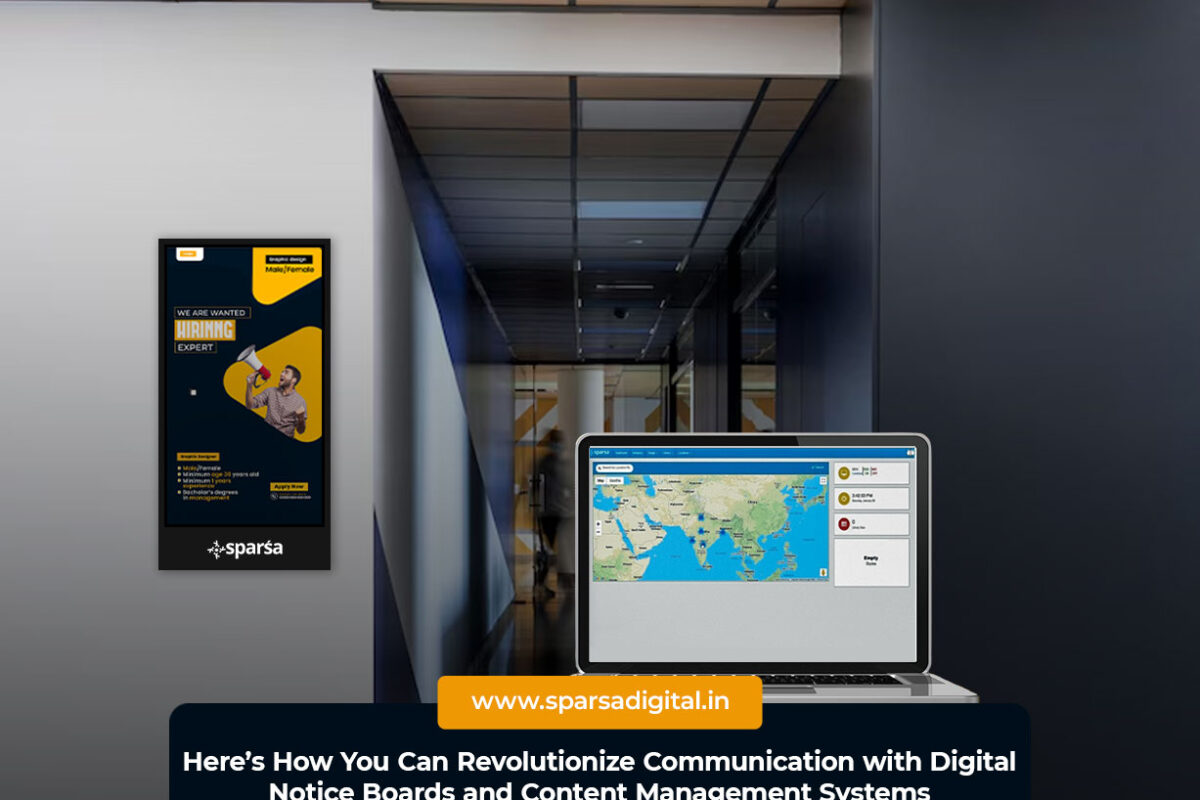
While LED display boards are an essential component of modern digital signage, the digital signage software is the brain that controls and manages what is displayed on these screens. Digital signage software allows businesses to design, schedule, and update content displayed on LED display boards remotely.

Through this software, businesses can control multiple screens from a single point, ensuring a seamless and consistent experience for viewers. The content can range from text and images to videos, animations, and even live feeds. The software offers features like real-time content management, scheduling, and analytics, allowing businesses to adapt their messaging to specific times of day, audience preferences, and promotional campaigns.

In essence, digital signage software acts as a centralized platform for controlling digital signage content across various locations, simplifying content management and reducing the need for manual intervention.

Advantages of LED Display Boards for Businesses

  1. Increased Visibility and Engagement – LED display boards attract attention more effectively than traditional signage. Their bright, dynamic visuals can seen from long distances, making them ideal for busy retail environments, event venues, or outdoor advertising. The use of motion graphics, videos, and high-definition images engages viewers in a way static displays cannot match.
  2. Flexibility and Customization – One of the most significant benefits of LED display boards is their ability to display a wide range of content formats, from advertisements and promotions to news, weather updates, and event schedules. This flexibility allows businesses to tailor their messaging based on the time of day, target audience, or specific campaigns. For instance, a store can showcase different promotions in the morning, afternoon, and evening to reach various customer segments effectively.
  3. Cost-Effectiveness in the Long Run – While the initial investment in LED display boards can be substantial, their energy efficiency and long lifespan make them a cost-effective solution over time. Unlike traditional billboards that require constant updates and printing, LED display boards enable businesses to make instant changes without additional costs, saving money on printing and labor.
  4. Improved Brand Image – Businesses that use LED display boards can create a modern, innovative, and tech-savvy brand image. The dynamic nature of digital signage helps reinforce a forward-thinking, cutting-edge approach, which is particularly important in competitive industries like retail, hospitality, and entertainment.
  5. Enhanced Customer Experience – Digital signage is an excellent way to improve the customer experience. LED display boards can used to provide useful information such as directions, product availability, or real-time promotions. In retail stores, for example, LED displays can show product demonstrations or customer reviews, enhancing the shopping experience and encouraging purchase decisions.

How Digital Signage Software Maximizes the Impact of LED Display Boards

Real-Time Content Updates

One of the most significant advantages of digital signage software is the ability to update content remotely and instantly. Businesses no longer need to print new posters or flyers to update their messaging. With a few clicks, they can change what’s displayed on all connected LED display boards. This is particularly useful for time-sensitive promotions or events that require immediate updates, such as flash sales, breaking news, or emergency announcements.

Content Scheduling

Digital signage software allows businesses to schedule content in advance, ensuring that the right message is displayed at the right time. For example, a shopping mall may schedule promotional videos to displayed during peak shopping hours or set up informational displays during off-peak hours to provide directions or store information. This scheduling feature maximizes the effectiveness of LED display boards, ensuring they are always showing relevant and timely content.

Remote Management

With digital signage software, businesses can manage LED display boards remotely, whether they are located in the same building or across multiple locations. This centralized control makes it easy to ensure consistency across all displays, regardless of their physical location. For businesses with multiple branches or franchises, this feature is essential for maintaining brand consistency.

Interactive Capabilities

Modern digital signage software often includes features that allow for interactive elements, turning LED display boards into engaging, user-friendly touchpoints. For instance, interactive kiosks can integrated into retail stores, allowing customers to browse products, check inventory, or access personalized offers. This interactivity enhances customer engagement and provides a more immersive experience.

Analytics and Insights

Many digital signage software platforms include built-in analytics tools that track viewer engagement, content performance, and overall effectiveness. These insights allow businesses to understand which content resonates best with their audience and make data-driven decisions to improve their strategies. For example, a business can analyze foot traffic data to determine when a particular promotional video or ad performed best, optimizing the content for future campaigns.

Integration with Other Marketing Tools

Digital signage software can integrate seamlessly with other marketing tools and platforms, such as social media feeds, customer loyalty programs, or point-of-sale systems. For example, integrating social media content into LED display boards can help businesses showcase user-generated content, increasing customer engagement and promoting a sense of community.

Use Cases for LED Display Boards and Digital Signage Software

  1. Retail

In retail environments, LED display boards are often used to showcase product promotions, advertisements, and brand messaging. With the help of digital signage software, retailers can update their displays in real time to highlight new arrivals, flash sales, or seasonal promotions. The flexibility of digital signage ensures that content can personalized based on customer preferences, creating a more engaging shopping experience.

  1. Corporate Environments

LED display boards in corporate settings can used for internal communication, such as displaying announcements, meeting schedules, or company news. By using digital signage software, companies can ensure that their employees are always informed and up-to-date on important information, enhancing overall productivity and communication within the organization.

  1. Hospitals and Healthcare

In healthcare facilities, LED display boards are commonly using for patient information, directions, and announcements. They help improve the overall patient experience by providing clear, concise, and easily accessible information in real time. Digital signage software allows healthcare providers to update content as needed, such as notifying patients of changes to appointment schedules or providing emergency alerts.

  1. Hospitality and Entertainment

In the hospitality industry, LED display boards can used for wayfinding, event listings, or promotional messages. Whether in hotels, airports, or entertainment venues, digital signage software helps ensure that the right content is displayed to the right audience, at the right time.

Conclusion

The combination of LED display boards and digital signage software offers businesses an unprecedented opportunity to communicate effectively with their audience. By utilizing these tools, businesses can create dynamic, engaging, and cost-effective communication strategies that drive customer engagement, increase brand awareness, and improve operational efficiency.

As the world becomes increasingly digital, the role of this in business communication will only continue to grow. With the right digital signage software, businesses can transform how they interact with customers, providing relevant, timely, and engaging content that leaves a lasting impression.

Whether for retail, hospitality, corporate environments, or healthcare, the versatility and impact of LED display boards and digital signage software are clear. Businesses that embrace these technologies will well-positioned to thrive in the digital age.

Table Talkers and Mini Displays

Enhancing Customer Engagement with Digital Table Talkers and Mini Displays

In the modern business landscape, providing an engaging and interactive customer experience has become essential. One of the most innovative tools in this area is the digital table talker. These compact, versatile devices are transforming how businesses communicate with customers, especially in settings such as restaurants, retail stores, hotels, and events. Paired with the growing use of mini displays, which offer similar functionality but in a more portable form, businesses are harnessing these technologies to deliver dynamic content that informs, entertains, and persuades customers effectively.

This blog will explore how digital table talkers and mini displays are revolutionizing customer interactions, their advantages, and best practices for incorporating them into your business strategy.

What Are Digital Table Talkers?

A digital table talker is a small, interactive digital display typically placed on tables, counters, or any customer-facing surfaces. These displays can show a range of content, from menu options and promotional offers to interactive advertisements and customer surveys. Unlike traditional static table talkers, which are paper or plastic holders that display printed materials, digital table talkers offer the flexibility of dynamic content, which can be updated remotely and in real time.

These digital devices are often used in the hospitality industry, where they can enhance the dining experience by displaying menus, special offers, or even entertainment such as trivia and games. Digital table talkers can also provide businesses with valuable data by tracking customer engagement, preferences, and feedback.

The Rise of Mini Displays

Mini displays are compact digital screens, often smaller than traditional monitors, that serve a similar purpose to digital table talkers. They can be used in a variety of business environments, from retail stores and reception areas to event spaces and kiosks. Mini displays provide businesses with a versatile platform for showcasing products, services, promotions, or information in an eye-catching and engaging format.

The compact nature of mini displays makes them ideal for areas with limited space, as they can easily fit into various environments without overwhelming the space. Similar to digital table talkers, mini displays offer high-quality visuals, dynamic content capabilities, and the ability to update content remotely.

Applications of Digital Table Talkers and Mini Displays

1. Restaurants and Hospitality

In the restaurant industry, digital table talkers are a game-changer. They provide customers with interactive menus, which can be updated to reflect daily specials, promotions, or seasonal dishes. Customers can even place orders or make requests directly through the digital table talker, streamlining the service process and improving customer satisfaction.

In addition, mini displays in restaurant lobbies or waiting areas can be used to advertise special offers, upcoming events, or loyalty programs, helping to increase customer engagement beyond the dining table.

2. Retail Environments

In retail, mini displays can be placed on counters, shelves, or in-store kiosks to provide customers with product information, price details, and promotions. Interactive displays can allow customers to browse product catalogues, check stock availability, or view video demonstrations. This improves the customer experience by offering convenience and engaging content that enhances the shopping journey.

For example, mini displays in fashion stores can showcase product variations, such as different colors or sizes, helping customers make quicker decisions and increasing sales.

3. Hotels and Event Spaces

In the hospitality sector, digital table talkers and mini displays are used to display important information such as event schedules, room service menus, or local attractions. For example, in a hotel lobby, mini displays can show upcoming events, weather forecasts, or guest promotions. In conference or event venues, digital table talkers can display schedules, room assignments, or sponsor advertisements, making it easier for attendees to navigate and stay informed.

4. Customer Feedback and Surveys

Digital displays are also effective for gathering customer feedback. Digital table talkers in restaurants, for example, can feature quick surveys or customer satisfaction questionnaires. Customers can interact with these displays to rate their experience, offer feedback, or sign up for loyalty programs. This not only improves customer engagement but also provides businesses with valuable insights into customer preferences and areas for improvement.

Best Practices for Implementing Digital Table Talkers and Mini Displays

  1. Keep Content Simple and Visual: The success of digital table talkers and mini displays largely depends on the content displayed. Use high-quality images, videos, and short, clear text to keep content visually appealing and easy to digest. Overcrowding the display with too much information can overwhelm the viewer and reduce engagement.
  2. Update Content Regularly: Regularly update content to keep the information fresh and relevant. Whether it’s new promotions, menu changes, or seasonal offers, keeping the display content up-to-date ensures that customers are always presented with timely information.
  3. Leverage Interactive Features: Take full advantage of the interactive capabilities of digital displays. Whether it’s allowing customers to place orders, browse products, or participate in surveys, interactivity creates a more engaging experience that encourages longer interactions.
  4. Optimize for Space and Placement: Make sure the digital displays are placed in high-traffic, visible areas where customers can easily access them. In restaurants, placing digital table talkers at every table ensures that every customer has the opportunity to engage with the content.
  5. Monitor and Analyze Performance: Use the analytics features of digital table talkers and mini displays to track customer engagement and identify trends. Adjust your content strategy based on these insights to optimize performance and improve customer interactions.

Conclusion

Digital table talkers and mini displays are innovative tools that can significantly enhance customer engagement in various business sectors. Whether used in restaurants, retail environments, hotels, or events, these digital devices provide an interactive, visually appealing way to deliver dynamic content, personalize messaging, and gather valuable insights.

By leveraging these technologies, businesses can create more engaging customer experiences, streamline communication, and drive customer loyalty. As digital technology continues to evolve, digital table talkers and mini displays will remain an essential part of modern customer engagement strategies, offering businesses a cost-effective and efficient way to stay connected with their audience.

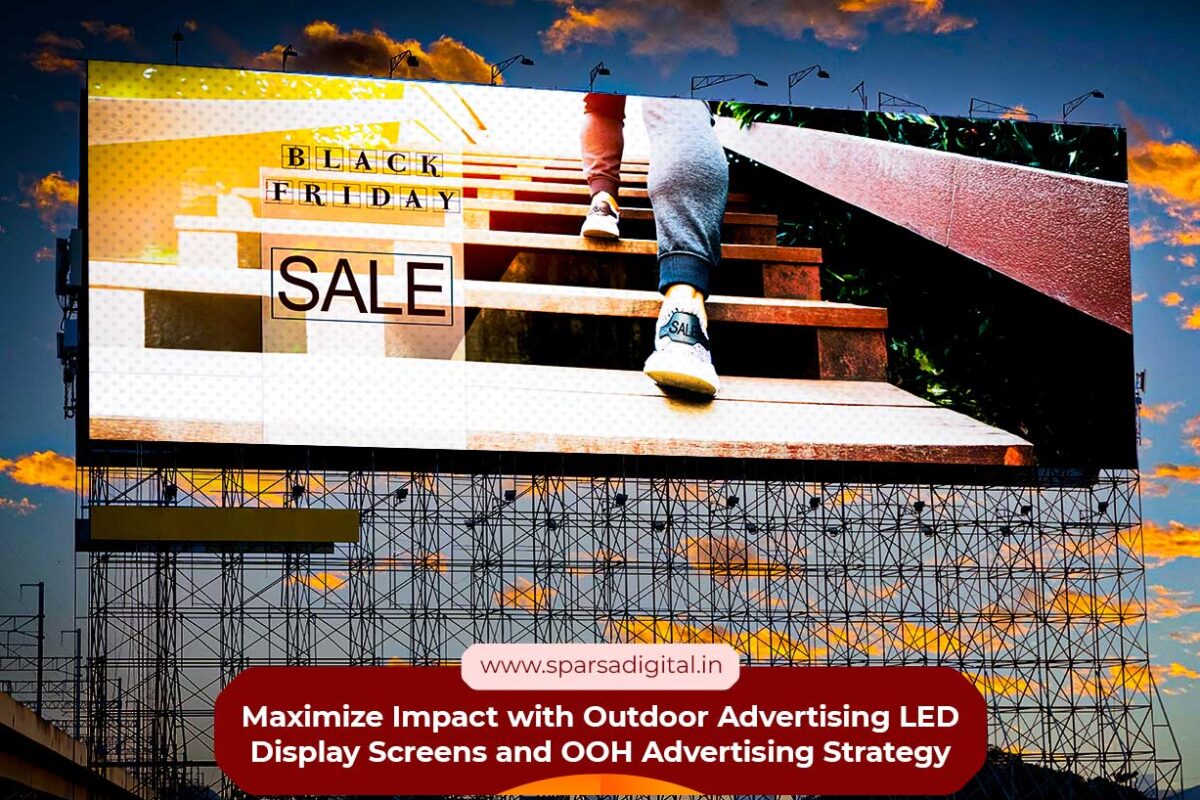
Maximize Impact with Outdoor Advertising LED Screens

Maximize Impact with Outdoor Advertising LED Display Screens and OOH Advertising Strategy

In the realm of advertising, capturing the attention of audiences in outdoor spaces presents both a challenge and an opportunity. Traditional static billboards have long been a staple of out-of-home (OOH) advertising, but in today’s dynamic digital landscape, outdoor advertising LED display screens are taking center stage. In this blog, we’ll explore the significance of outdoor LED display screens in advertising, delve into effective OOH advertising strategies, and discuss how businesses can leverage these tools to maximize impact and reach their target audience.

Outdoor advertising has evolved significantly over the years, from painted signs on buildings to towering billboards along highways. In recent times, the advent of LED display screens has revolutionized outdoor advertising, offering advertisers a dynamic and versatile platform to engage with audiences in high-traffic areas.

The Rise of Outdoor Advertising LED Display Screens

The rise of outdoor advertising LED display screens can be attributed to several key factors:

  1. Dynamic Content: Unlike traditional static billboards, LED display screens allow for the seamless integration of dynamic content, including videos, animations, and interactive elements. This versatility enables advertisers to create engaging and immersive experiences that captivate audiences and leave a lasting impression.
  2. Real-Time Updates: LED display screens offer the flexibility to update content in real-time, allowing advertisers to adapt messaging based on factors such as time of day, weather conditions, and audience demographics. This agility ensures that advertising campaigns remain relevant and impactful in an ever-changing environment.
  3. Enhanced Visibility: LED display screens leverage high-brightness LED technology to deliver crisp and vibrant visuals that are visible even in bright sunlight. This enhanced visibility ensures that advertisements stand out in crowded outdoor spaces and command attention from passing pedestrians and motorists.
  4. Cost-Effectiveness: While the initial investment in LED display screens may be higher than traditional billboards, the long-term cost-effectiveness is significant. LED technology offers energy efficiency and durability, resulting in lower operating costs and maintenance requirements over time.
  5. Interactivity: Some LED display screens incorporate interactive features such as touchscreens, gesture recognition, and mobile integration, allowing audiences to engage directly with the content. This interactivity not only increases engagement but also provides valuable data insights for advertisers.

Effective OOH Advertising Strategy

To maximize the impact of outdoor advertising LED display screens, businesses must develop a strategic approach that aligns with their marketing objectives and target audience. Here are some key components of an effective OOH advertising strategy:

  1. Audience Analysis: Begin by identifying the target audience for your advertising campaign and understanding their demographics, preferences, and behaviors. This will inform decisions regarding the location, timing, and content of your outdoor advertising efforts.
  2. Strategic Placement: Choose high-traffic locations with optimal visibility and relevance to your target audience for placing LED display screens. Consider factors such as foot traffic, vehicular traffic, and dwell time to maximize exposure and engagement.
  3. Real-Time Adaptation: Take advantage of the flexibility of LED display screens to adapt content in real-time based on contextual factors such as time of day, weather conditions, and audience demographics. Tailor messaging to resonate with audiences and capitalize on relevant trends or events.
  4. Integration with Digital Channels: Integrate outdoor advertising efforts with digital channels such as social media, mobile apps, and websites to create a cohesive omnichannel experience. Leverage QR codes, NFC tags, or custom URLs to drive online engagement and track campaign performance.
  5. Measurement and Optimization: Implement tracking mechanisms to monitor the effectiveness of your outdoor advertising campaigns and gather insights into audience engagement, impressions, and conversion rates. Use this data to optimize content strategy, placement decisions, and resource allocation for future campaigns.

Case Studies and Success Stories

To illustrate the effectiveness of outdoor advertising LED display screens and OOH advertising strategies, let’s explore a few case studies and success stories:

Times Square, New York City: Times Square is renowned for its iconic LED billboards and digital displays, which attract millions of visitors each year. Brands such as Coca-Cola, Samsung, and Nike have leveraged the prime real estate in Times Square to launch high-impact advertising campaigns that reach a global audience and generate buzz.

Shibuya Crossing, Tokyo: Shibuya Crossing is one of the busiest pedestrian intersections in the world, making it a prime location for outdoor advertising. In 2019, Adidas launched a campaign in Shibuya Crossing featuring a large LED display screen showcasing immersive visuals and interactive experiences. The campaign garnered significant social media buzz and drove foot traffic to nearby Adidas stores.

Conclusion

Outdoor advertising LED display screens have transformed the way businesses communicate with audiences in outdoor spaces, offering dynamic and engaging platforms to convey messages and create memorable brand experiences. By developing strategic OOH advertising strategies that leverage the unique capabilities of LED display screens, businesses can maximize impact, reach, and ROI.

As technology continues to evolve, the future of outdoor advertising holds tremendous potential for innovation and creativity. From augmented reality experiences to personalized messaging based on real-time data insights, the possibilities are endless for advertisers looking to captivate audiences and drive results in the ever-changing outdoor landscape. By embracing these emerging trends and best practices, businesses can stay ahead of the curve and unlock the full potential of outdoor advertising LED display screens as a powerful tool for brand promotion and engagement.

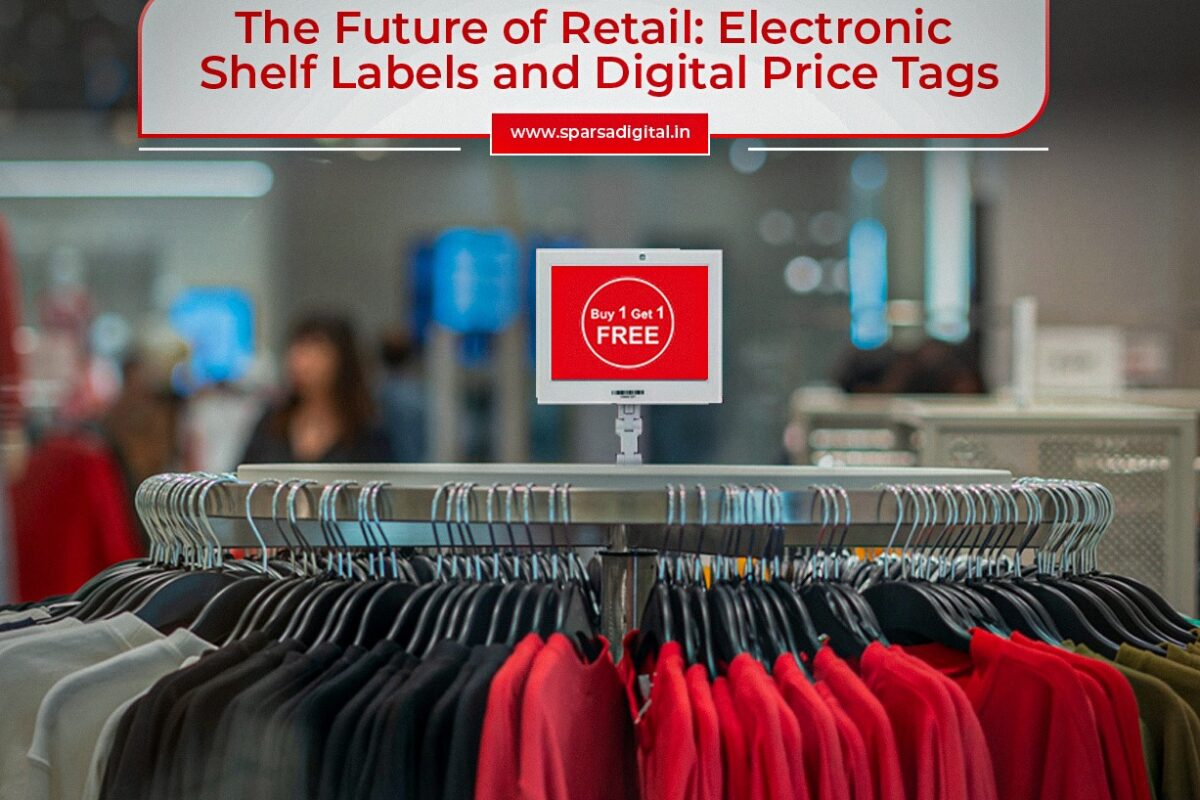
The Future of Retail Electronic Shelf Labels and Digital Price Tags

The Future of Retail: Electronic Shelf Labels and Digital Price Tags

In the ever-evolving landscape of retail, technological advancements have revolutionized how businesses operate and how customers interact with products. Among these innovations, Electronic Shelf Labels (ESLs) and Digital Price Tags (DPTs) stand out as game-changers. These technologies offer retailers a streamlined, efficient, and dynamic way to manage product pricing and inventory, enhancing both the customer experience and operational efficiency.

What are Electronic Shelf Labels (ESLs) and Digital Price Tags?

Electronic Shelf Labels (ESLs) are digital displays placed on store shelves, typically showing product information like price, availability, and product details. Unlike traditional paper labels, ESLs are powered by electronic technology that allows them to be easily updated remotely.

Digital Price Tags (DPTs) are a specific type of ESL primarily focused on displaying prices digitally. DPTs offer the flexibility to change prices in real-time without the need for manual labor or printing new tags, making them highly effective for promotions and pricing strategies.

Both ESLs and DPTs are part of the broader trend of digital signage solutions in retail, providing dynamic, real-time, and accurate data to customers and store staff alike.

Benefits of Electronic Shelf Labels and Digital Price Tags

1. Price Accuracy

One of the most significant advantages of ESLs and DPTs is the enhanced accuracy of pricing. Traditional paper price tags are often manually updated, leading to human errors, which can result in discrepancies between the price displayed on the shelf and the price at checkout. With ESLs, prices are automatically updated across the entire store or specific sections, ensuring that the price on the shelf always matches the price at checkout.

2. Efficiency in Price Management

Price management can be an enormous task, particularly during promotional periods or when prices fluctuate frequently. ESLs and DPTs allow retailers to adjust prices across multiple stores or departments simultaneously through centralized software. This level of automation reduces the need for manual labor and minimizes the time spent on re-tagging shelves, improving operational efficiency.

3. Enhanced Customer Experience

Digital price tags improve the shopping experience by providing clear, legible, and easily updated product information. Shoppers can quickly access prices, discounts, availability, and even product details like size, color, or features, helping them make informed purchasing decisions. Additionally, ESLs can be used to show real-time promotions or sales, which can attract customers’ attention and increase sales.

4. Inventory Management

ESLs not only display pricing but can also be linked to inventory systems, allowing for real-time updates on stock levels. This integration can help reduce instances of stockouts or overstocking, improving supply chain efficiency. When a product is running low, the system can automatically notify staff to reorder, ensuring that the shelves are always stocked with the right products.

5. Sustainability

Traditional paper tags require regular reprints, which contributes to paper waste. By switching to electronic tags, retailers can reduce paper usage significantly. Furthermore, ESLs typically use low-energy technologies, such as e-ink displays, which consume very little power, making them an environmentally friendly solution.

Case Studies: Real-World Applications of ESLs and DPTs

1. Woolworths (Australia)

Woolworths, one of Australia’s largest supermarket chains, implemented ESLs in its stores to streamline operations and improve customer service. The retailer uses ESLs to display prices and promotions, and the system is integrated with its central pricing platform. This has allowed Woolworths to automate price updates across its stores, ensuring pricing accuracy and consistency. Furthermore, ESLs help with inventory management by providing real-time data on stock levels.

Impact: The use of ESLs at Woolworths has led to significant improvements in operational efficiency, with employees no longer needing to manually update prices. Customers also benefit from accurate pricing and timely information on promotions, which has enhanced the overall shopping experience.

2. Carrefour (Europe and the Middle East)

Carrefour, a leading global retailer, has been using digital price tags and ESLs in its hypermarkets across Europe and the Middle East. The retailer’s use of digital price tags enables it to quickly change prices across hundreds of products, including those in high-demand categories such as fresh produce. This flexibility allows Carrefour to respond to market changes, adjust prices based on competitor pricing, and launch timely promotions.

Impact: Carrefour has experienced increased price compliance and reduced labor costs, as staff no longer need to manually adjust the price tags. Moreover, the use of ESLs has contributed to better customer satisfaction by making product information more accessible.

3. Lidl (Germany)

Lidl, a popular discount supermarket chain in Europe, implemented ESLs in several of its stores. The system integrates digital price tags with their backend system, allowing Lidl to adjust prices in real-time. This is especially useful during special sales events, where prices can fluctuate frequently. The ESLs also display important product information, such as nutritional details, helping customers make more informed choices.

Impact: Lidl reported better price transparency, enhanced promotional campaigns, and improved customer engagement thanks to ESLs. The system also allowed the company to reduce costs related to paper tag printing and manual updates, contributing to operational efficiency.

4. The Home Depot (United States)

In the United States, Home Depot uses ESLs to provide customers with clear and accurate pricing, as well as detailed product information for items like tools, appliances, and hardware. The company’s implementation of ESLs is designed to enhance the customer experience, reduce stockouts, and ensure that product prices are always up-to-date.

Impact: Home Depot has seen improvements in operational efficiency, particularly in its pricing accuracy and the speed at which promotions are launched across stores. ESLs also help Home Depot staff keep track of inventory in real-time, reducing errors in stock replenishment.

Challenges of Implementing ESLs and DPTs

1. Initial Costs

The upfront investment required for implementing ESLs and DPTs can be significant. The cost of purchasing the hardware (electronic displays, communication systems) and software (for managing the pricing system) can be a barrier for smaller retailers. However, these costs are often offset by the long-term savings and efficiencies gained.

2. Integration with Existing Systems

Retailers looking to adopt ESLs may face challenges integrating these systems with their existing infrastructure, including inventory management, point-of-sale (POS) systems, and pricing software. The integration process can be complex and may require significant time and resources to ensure smooth operations.

3. Technical Issues

As with any technology, ESLs and DPTs may experience technical difficulties, such as display malfunctions, connectivity issues, or software bugs. Retailers need to have robust technical support and troubleshooting systems in place to minimize downtime and ensure the system runs smoothly.

4. Employee Training

Introducing ESLs and DPTs into retail operations often requires employees to undergo training to effectively use the new system. This may require time and resources, particularly if staff members are not familiar with digital technology.

Frequently Asked Questions (FAQs)

1. What is the difference between Electronic Shelf Labels and Digital Price Tags?

Electronic Shelf Labels (ESLs) are digital labels that display product information such as price, stock levels, and descriptions. Digital Price Tags (DPTs) are a subset of ESLs, primarily focused on displaying pricing information.

2. How do ESLs improve operational efficiency?

ESLs streamline pricing management by allowing retailers to update prices remotely, saving time and labor costs. This eliminates the need for manual price updates and reduces the chances of errors in pricing, leading to smoother operations.

3. Are ESLs cost-effective for small retailers?

While the initial investment may be high, small retailers can save in the long run through reduced labor costs and improved pricing accuracy. Additionally, the integration of ESLs with inventory systems helps minimize losses due to stock discrepancies.

4. Can ESLs be used in all types of retail environments?

Yes, ESLs are versatile and can be used in various retail environments, including supermarkets, fashion stores, electronics retailers, and more. The flexibility of digital price tags allows them to adapt to different product types and store layouts.

5. What are the environmental benefits of using ESLs?

ESLs contribute to sustainability by reducing the need for paper-based labels and tags. Additionally, many ESL systems use energy-efficient e-ink technology, further reducing their environmental impact.

Conclusion

Electronic Shelf Labels and Digital Price Tags are not just trends—they are shaping the future of retail. With their ability to enhance operational efficiency, improve customer experiences, and reduce environmental impact, these technologies are quickly becoming indispensable for modern retailers. As seen in the case studies of companies like Woolworths, Carrefour, and Home Depot, ESLs are driving success by enabling real-time price changes, improved inventory management, and seamless customer engagement. While there are some challenges to implementing these systems, the long-term benefits they offer make them a compelling choice for retailers looking to stay competitive in the digital age.

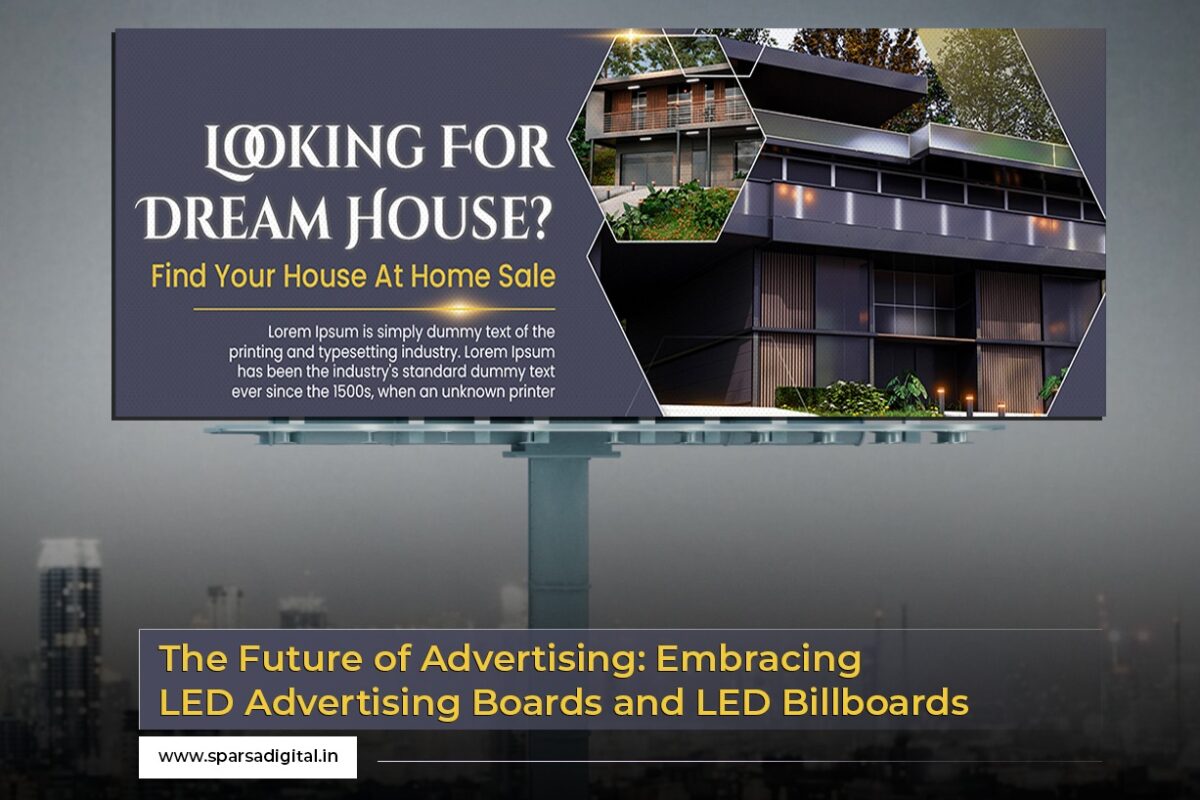
LED Advertising Boards and LED Billboards

The Future of Advertising: Embracing LED Advertising Boards and LED Billboards

In today’s fast-paced, technology-driven world, businesses are constantly searching for innovative ways to grab the attention of potential customers. Traditional advertising methods, such as print media or static billboards, are increasingly becoming less effective in engaging modern audiences. As consumers become more digitally connected and visually oriented, the demand for dynamic and interactive advertising solutions is growing. Enter LED advertising boards and LED billboards, two of the most revolutionary tools transforming the advertising landscape.

What are LED Advertising Boards and LED Billboards?

At their core, both LED advertising boards and LED billboards are digital displays that use light-emitting diodes (LEDs) to create vibrant, eye-catching advertisements. These digital billboards can display static or dynamic content, such as videos, animations, and images, making them more engaging and attention-grabbing compared to traditional advertising mediums.

LED advertising boards are typically smaller than LED billboards and are often used in indoor settings, such as shopping malls, airports, and retail stores. These boards can be used for everything from promoting products to displaying event schedules or social media feeds.

On the other hand, LED billboards are much larger and are typically found in high-traffic outdoor locations, such as highways, sports arenas, and city centers. They have the power to reach a wide audience and are ideal for advertisers looking to make a bold statement in public spaces.

Product Banner (1)

The Rise of LED Advertising: Why It’s So Popular

The popularity of LED advertising boards and LED billboards can be attributed to several factors, which have collectively made them the preferred choice for advertisers.

1. High Visibility and Brightness

One of the key advantages of LED billboards is their ability to deliver bright, clear images in both daylight and at night. The LEDs used in these displays emit a significant amount of light, ensuring that the advertisements are highly visible even in direct sunlight or in low-light conditions. This makes them ideal for outdoor environments, where they can capture the attention of passersby from a great distance.

LED advertising boards, although typically used indoors, also offer superior brightness and clarity, making them effective in a variety of indoor settings. Whether it’s a retail store, trade show, or conference hall, these boards ensure that the displayed messages are easily seen and understood by attendees.

2. Flexibility and Dynamic Content

Traditional static billboards often feature one image or message for a long period of time. In contrast, LED advertising boards and LED billboards allow advertisers to display multiple messages, videos, and animations within a single frame. This flexibility gives brands the ability to create dynamic and engaging content that can change in real time based on various factors such as time of day, weather conditions, or audience preferences.

With LED advertising boards, businesses can easily update their content remotely, making them an incredibly efficient and cost-effective tool. This is particularly useful for businesses with changing promotions, events, or seasonal offers, as they can quickly adapt their messaging without the need for printing new materials.

3. Environmental Benefits

As sustainability becomes a central concern for businesses and consumers alike, many brands are seeking more eco-friendly advertising solutions. LED advertising boards and LED billboards are highly energy-efficient compared to traditional billboards, which use incandescent or fluorescent lighting. LED technology consumes significantly less power, reducing both energy costs and the carbon footprint of advertising campaigns.

4. Targeted Advertising

Another significant advantage of LED advertising boards and LED billboards is their ability to support targeted advertising. Using technologies such as facial recognition, sensors, and geolocation, advertisers can tailor their messages to specific demographics or geographic areas. For example, a LED billboard located near a shopping center may display promotions for nearby stores or products relevant to the audience at that time.

5. Cost-Effectiveness

While the initial cost of installing LED advertising boards and LED billboards can be high, the long-term cost-effectiveness makes them an attractive option for businesses. The ability to update content remotely and frequently eliminates the need for costly physical materials like posters and vinyl banners. Moreover, LED billboards can be rented out to multiple advertisers, which helps share the cost and maximize the return on investment.

Applications of LED Advertising Boards and LED Billboards

The versatility of LED advertising boards and LED billboards makes them suitable for a wide range of industries and advertising applications.

1. Retail and E-Commerce

In retail environments, LED advertising boards are often used to showcase product promotions, highlight best-sellers, or announce special discounts. They can be placed in high-traffic areas, such as entrances, aisles, or checkout counters, where they can catch the attention of shoppers and encourage impulse purchases.

LED billboards, on the other hand, can be used to advertise major retail events or sales, reaching a broader audience. For instance, LED billboards along highways or near busy shopping districts can promote seasonal sales or clearance events, driving more foot traffic to physical stores or online platforms.

2. Events and Entertainment

For events like concerts, sports games, and festivals, LED billboards are a powerful tool for promoting schedules, sponsors, and other event-related content. These billboards are often used to display live feeds, highlight key moments, or even interact with the audience by showcasing social media posts and fan messages.

Indoors, LED advertising boards can be used to display real-time event information, such as speaker schedules, seating arrangements, or sponsor messages, ensuring attendees stay informed and engaged throughout the event.

3. Transportation

In transportation hubs like airports, train stations, and bus terminals, LED advertising boards are used to display important information such as flight schedules, train departures, and weather updates. These displays can also be used for advertising local services, restaurants, or attractions, offering targeted messaging to travelers.

4. Public Awareness and Government Messaging

Governments and organizations use LED advertising boards and LED billboards to spread public service messages, health alerts, and safety tips. These digital displays can be easily updated with important information, such as emergency alerts, road closures, or vaccination campaigns.

Conclusion

In conclusion, LED advertising boards and LED billboards are reshaping the advertising industry by offering dynamic, flexible, and cost-effective solutions. Their ability to capture attention, display vibrant content, and target specific audiences makes them an essential tool for businesses looking to make a lasting impact. As technology continues to improve, the possibilities for LED-based advertising are limitless, ensuring that these digital displays will remain at the forefront of advertising innovation for years to come. Whether for retail, events, transportation, or public awareness campaigns, LED advertising boards and LED billboards are driving the future of advertising in exciting new directions.

Future with 3D Holographic Display and Hologram Boxes

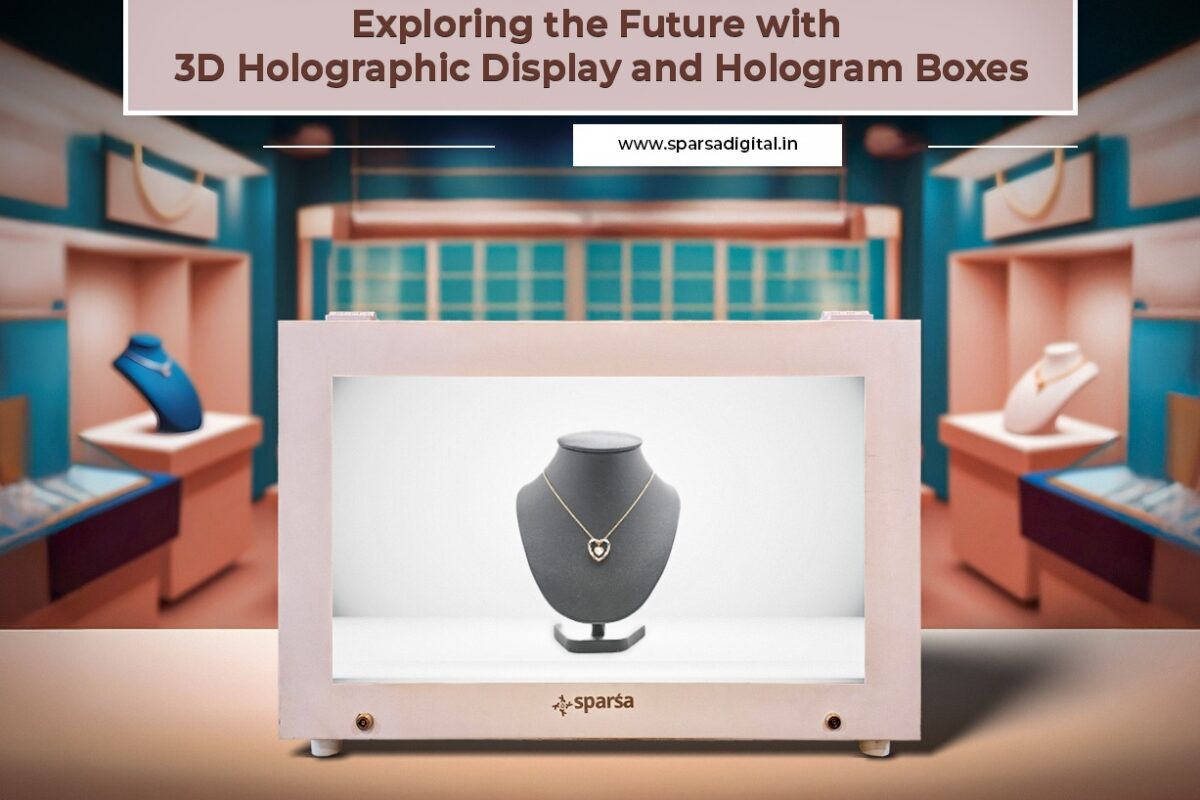
Exploring the Future with 3D Holographic Display and Hologram Boxes

The world of technology is advancing at a rapid pace, and among the most fascinating developments is the rise of 3D holographic displays and hologram boxes. These innovative technologies are changing the way we interact with digital content and transforming industries such as entertainment, advertising, education, and healthcare. In this blog, we’ll delve into what 3D holographic displays and hologram boxes are, how they work, their potential applications, and some common questions people have about these technologies.

What is a 3D Holographic Display?

A 3D holographic display is a type of display technology that creates visual content in three-dimensional space, allowing viewers to see objects from various angles without the need for special glasses or other viewing aids. Unlike traditional 2D screens, which present images on a flat surface, 3D holographic displays project images that appear to float in mid-air, offering a more immersive and lifelike viewing experience.

At the core of a 3D holographic display is the principle of holography—a technique that records and reconstructs light patterns to create three-dimensional images. This is achieved using light interference, diffraction, and other optical phenomena. There are various methods used to generate holograms, including laser-based systems and digital holography, where computer-generated images are turned into holograms.

How Do 3D Holographic Displays Work?

In a traditional display, the image is composed of pixels arranged on a flat surface, each pixel emitting light in a particular direction. However, in a 3D holographic display, the light is projected in such a way that it creates the illusion of depth and volume. Depending on the technology used, holographic displays can either project images that appear to float freely in space or simulate the experience of viewing an object from multiple angles.

A common method to achieve this effect is through the use of a holographic projector, which can project multiple images from different angles onto a special surface or medium. This surface might consist of a transparent screen, a spinning display, or even a specialized holographic material that reacts to light to create the illusion of depth.

What is a Hologram Box?

A hologram box is a type of device that allows users to display 3D holograms in a controlled environment. It’s essentially a small, compact display system that uses advanced projection and optical techniques to create holographic images inside a box. These devices typically use LED lights, mirrors, and a special display surface to project 3D visuals, giving the illusion of a floating image or object.

Hologram boxes are often used for displaying promotional content, product prototypes, or interactive media. These devices are especially popular for retail stores, trade shows, museums, and educational settings, as they provide an engaging way to present information to visitors. The compact design of hologram boxes makes them highly versatile and easy to integrate into various environments.

Applications of 3D Holographic Displays and Hologram Boxes

1. Entertainment and Media

One of the most exciting applications of 3D holographic displays is in the entertainment and media industry. Movie studios, gaming companies, and concert organizers are increasingly using holograms to create immersive experiences for audiences. For instance, holographic projections of deceased musicians, such as Tupac Shakur at Coachella, have sparked a conversation about the potential of holography in live performances.

Moreover, holographic displays are being used in video games, allowing players to interact with 3D characters and environments in ways that were once thought impossible. This could open up a new era for virtual reality (VR) and augmented reality (AR) experiences, where holograms are integrated into the physical world in real time.

2. Advertising and Retail

In the retail world, holograms are being utilized for eye-catching advertisements and interactive displays. Hologram boxes, for example, can showcase a product in 3D, allowing customers to view it from different angles without having to physically handle the product. This has become an effective tool for product launches, trade shows, and brand activations.

Retailers are also using holographic displays to create immersive shopping experiences. Imagine walking into a store and seeing a holographic assistant guide you through the available products, or interacting with a virtual model wearing the clothes you’re interested in buying. These types of experiences are making shopping more engaging and interactive.

3. Healthcare and Medical Education

The medical industry has also benefited from the use of 3D holographic displays. Medical professionals are now able to view complex anatomical structures in 3D, making it easier to study and understand the human body. Doctors and surgeons can view detailed holographic models of organs, bones, and tissues, allowing for better diagnoses and more precise surgeries.

Holography is also revolutionizing medical education, providing students with a more engaging and interactive way to learn about human anatomy and medical procedures. Instead of relying solely on textbooks and 2D images, students can now explore 3D holograms of the body, enabling them to gain a deeper understanding of complex biological systems.

4. Education and Training

In education, 3D holographic displays can enhance learning experiences by allowing students to interact with three-dimensional representations of objects and concepts. For example, a holographic display could show the solar system, allowing students to explore the planets and their orbits in 3D. Similarly, holograms can be used to simulate real-world environments for training purposes, such as flight simulations or military training.

The use of holographic technology can also help bridge the gap in remote education, offering virtual classrooms where students can engage with 3D holograms of the teacher or subject matter.

5. Design and Prototyping

Designers and engineers are using 3D holographic displays to create prototypes and visualize products before they are made. This allows them to see how their designs will look and function in the real world, making it easier to make adjustments and improve the product before production begins.

Hologram boxes are also being used in prototyping, allowing companies to display 3D models of products in a small, portable form. This is especially useful for showcasing designs to clients, investors, or partners during presentations.

Advantages of 3D Holographic Displays and Hologram Boxes

  1. Immersive Experience: 3D holographic displays provide an incredibly immersive experience that traditional 2D displays cannot match. Viewers can interact with and explore objects in a more natural and engaging way.
  2. Enhanced Visuals: Holograms can represent objects with incredible detail and depth, making them ideal for applications requiring high visual fidelity, such as medical imaging or product design.
  3. Interactivity: Many holographic displays allow for interaction, enabling users to manipulate the holograms using gestures, touch, or voice commands. This is particularly valuable in industries like education, where interactivity enhances learning.
  4. Portability: Hologram boxes are compact and can be easily transported, making them ideal for trade shows, retail displays, and exhibitions.
  5. Attention-Grabbing: The futuristic nature of holographic displays makes them highly effective at capturing attention, whether in a retail store, museum, or event.

Conclusion

The advent of 3D holographic displays and hologram boxes has opened up a world of possibilities across numerous industries. From revolutionizing entertainment and advertising to enhancing education and healthcare, holography is set to become a cornerstone of future technology. As these technologies continue to evolve and become more accessible, we can expect even more innovative and immersive applications in the years to come. Whether for business, education, or personal use, holographic displays are truly paving the way for the next generation of visual experiences.

FAQs

1. How do 3D holographic displays differ from virtual reality (VR) and augmented reality (AR)?

While VR and AR also offer immersive experiences, they are different from 3D holographic displays. VR requires users to wear a headset that immerses them in a fully virtual environment, while AR overlays digital content onto the real world using a smartphone or AR glasses. In contrast, 3D holographic displays project three-dimensional images into the air, visible to anyone in the vicinity without needing any special equipment.

2. Are holograms visible from all angles?

Yes, one of the main features of 3D holographic displays is that they allow viewers to see the image from multiple angles, just like a physical object. This creates the illusion of depth and allows for a more realistic and interactive experience.

3. How much do a 3D holographic display and hologram box cost?

The cost of 3D holographic displays and hologram boxes can vary widely depending on the technology, size, and complexity of the device. While consumer-grade holographic boxes can range from a few hundred to a few thousand dollars, larger and more sophisticated 3D holographic systems used in industries like healthcare or entertainment can cost tens of thousands of dollars.

4. What industries are using holograms the most?

Holographic technology is being used in a variety of industries, including entertainment, retail, healthcare, education, and design. It’s particularly popular in areas where visual content is key, such as advertising, product demonstrations, and medical imaging.

5. Can holograms be used for interactive experiences?

Yes, many modern 3D holographic displays allow for interactivity. Users can interact with the holograms using gestures, voice commands, or touchscreens, making these displays ideal for applications such as education, training, and entertainment.

Digital-Notice-Boards-and-Content-Management-Systems

Here’s How You Can Revolutionize Communication with Digital Notice Boards and Content Management Systems

In today’s fast-paced world, where information needs to be communicated efficiently and effectively, traditional methods of displaying notices and announcements are increasingly becoming outdated. Paper-based notice boards, flyers, and printed posters are not only environmentally unsustainable but also prone to becoming outdated quickly and are hard to update. Enter the world of digital notice boards and content management systems (CMS)—innovative technologies that have transformed how organizations communicate with their audiences, both internally and externally.

Whether for schools, offices, hospitals, retail outlets, or public spaces, digital notice boards have become a crucial part of modern communication. Paired with a robust content management system, these tools allow organizations to streamline the display of information, offering flexibility, real-time updates, and a much more engaging way to interact with an audience.

What is a Digital Notice Board?

A digital notice board is an electronic display system that allows organizations to post announcements, important messages, schedules, and other content in a digital format. These boards are typically large LED or LCD screens that display dynamic content such as text, images, videos, and animations, replacing the traditional bulletin boards used for notices in offices, schools, and public areas.

Digital notice boards are designed to capture attention more effectively than static paper-based notices. They can display content in various forms, including real-time news, weather updates, event schedules, emergency alerts, and promotional materials, providing a much more engaging user experience. The key advantage is the ability to update and modify the displayed content remotely, instantly, and as needed, ensuring that the information remains accurate and timely.

Product Banner (1)

The Role of a Content Management System (CMS) in Digital Notice Boards

A content management system (CMS) is a software platform that controls and organises the content displayed on digital notice boards. This system allows users to create, manage, and schedule content across one or more screens from a centralised location. The CMS provides an intuitive interface for users to upload, edit, and organize content, ensuring that the correct information is displayed at the right time and in the right format.

Benefits of Digital Notice Boards and CMS Integration

The combination of digital notice boards and a powerful content management system offers several key advantages for organizations looking to modernize their communication efforts. Here are some of the primary benefits:

1. Improved Communication and Engagement

Digital notice boards are far more engaging than traditional printed boards. With the ability to include rich media content such as images, videos, and animations, digital notice boards can capture attention more effectively and communicate messages in a way that resonates with the audience. Furthermore, with real-time updates, important announcements or emergency alerts can be disseminated instantly, ensuring that no one misses crucial information.

2. Cost and Time Efficiency

Maintaining traditional paper-based notice boards is not only costly but also time-consuming. Printing and distributing paper notices, especially when changes need to be made, can require a lot of effort and resources. In contrast, digital notice boards, powered by CMS platforms, significantly reduce the need for physical materials and the time spent managing them. Content can be updated remotely in just a few clicks, and the need for staff to manually replace or adjust notices is eliminated.

3. Environmental Sustainability

Digital notice boards help reduce paper waste, which is an important step toward creating a more sustainable workplace or community. By moving from paper-based notices to digital screens, organizations contribute to lowering their carbon footprint and promoting environmentally friendly practices.

4. Increased Flexibility and Control

One of the most significant advantages of using a CMS for managing digital notice boards is the increased flexibility it offers. Content can changed on the fly, allowing organizations to react to changing circumstances or urgent announcements with ease. For example, in a school setting, the CMS can used to switch between class schedules, emergency alerts, and event information, depending on the time of day.

5. Improved Brand Image and Aesthetics

With digital notice boards, organizations can present a more modern, polished, and professional image. High-quality displays can customized to reflect the brand’s color scheme and design, and the flexibility of content types ensures that messages are visually engaging. This makes digital notice boards an ideal tool for businesses, educational institutions, and public spaces that want to leave a lasting impression.

6. Enhanced Security and Access Control

The integration of a CMS allows organizations to assign different levels of access to their digital notice boards, ensuring that only authorized personnel can update or modify content. This helps safeguard sensitive information and prevent unauthorized access or tampering.

7. Scalability for Multiple Locations

For businesses or organizations that operate in multiple locations, digital notice boards managed through a CMS provide scalability. A centralized CMS allows administrators to control the content on screens across multiple branches or offices from a single interface, ensuring consistent messaging across all locations.

Use Cases of Digital Notice Boards and CMS

The applications of digital notice boards and content management systems are vast and can adapted to various industries:

  • Educational Institutions: In schools and universities, digital notice boards can used to display class schedules, announcements, event updates, and emergency alerts. The CMS allows for easy scheduling and updating of content across different campus locations.
  • Corporate Offices: Businesses use digital notice boards for internal communications, such as employee announcements, meeting schedules, or company-wide updates. The ability to update content in real-time and the flexibility to display multimedia content enhances employee engagement and communication.
  • Healthcare Facilities: Hospitals and clinics use digital notice boards to share important information with patients, visitors, and staff. These might include wait times, health tips, facility guidelines, and emergency information.
  • Retail Stores: Digital notice boards in retail spaces can used to display promotional offers, store events, product information, or wayfinding directions. The CMS ensures that promotions can quickly updated to match the current marketing campaign.

Conclusion

Digital notice boards, when paired with an efficient content management system, offer a modern solution to communication challenges faced by organizations. Whether for schools, offices, hospitals, or public spaces, digital notice boards bring efficiency, flexibility, and engagement to the forefront of communication strategies.

By replacing traditional paper-based methods with digital signage, organizations not only streamline communication but also contribute to a more sustainable, dynamic, and visually appealing environment. A well-integrated CMS ensures that content is always up-to-date, accurately targeted, and easily accessible, making it an invaluable tool in today’s digital-first world.

As organizations continue to embrace digital transformation, the role of digital notice boards and content management systems will only grow, offering endless possibilities for better engagement, communication, and efficiency.