
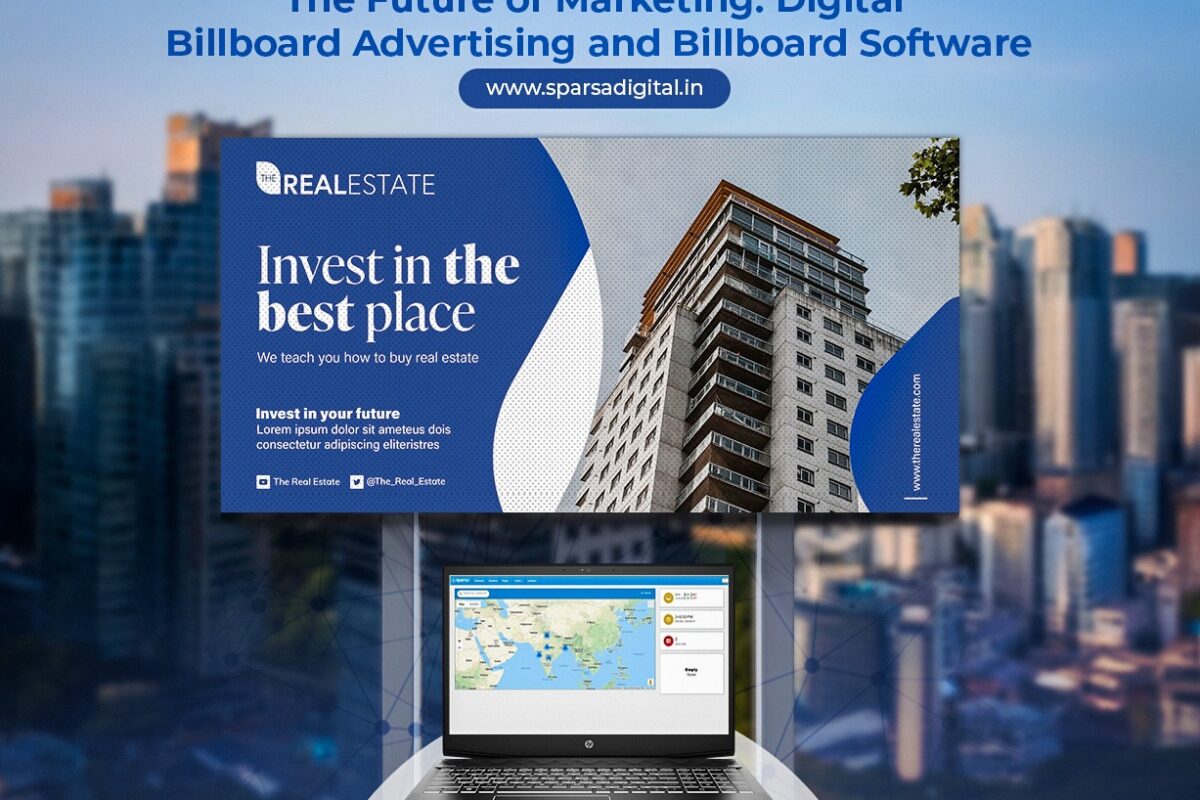
The Future of Marketing Digital Billboard Advertising and Billboard Software

The Future of Marketing: Digital Billboard Advertising and Billboard Software

Table of Content

  • Introduction
  • What is Digital Billboard Advertising?
  • Benefits of Digital Billboard Advertising
  • Dynamic and Real-Time Content Updates
  • Cost-Effectiveness and ROI
  • High Visibility and Audience Engagement
  • Environmental and Sustainability Benefits
  • How Billboard Software Enhances Advertising Efficiency
  • Applications of Digital Billboard Advertising
  • Choosing the Right Billboard Software
  • Future Trends in Digital Billboard Advertising
  • Conclusion
  • FAQs

Introduction

In today’s fast-paced digital world, digital billboard advertising is transforming the way businesses reach their target audience. Unlike traditional static billboards, digital billboard advertising offers dynamic, real-time content updates, greater flexibility, and improved engagement. Supported by advanced billboard software, advertisers can schedule, automate, and analyze ad campaigns for better efficiency and effectiveness.

What is Digital Billboard Advertising?

Digital billboard advertising refers to the use of electronic displays, such as LED or LCD screens, to broadcast advertisements in high-traffic areas. These billboards can showcase static images, videos, animations, and real-time content, making them more interactive and engaging than traditional print billboards.

Benefits of Digital Billboard Advertising

Dynamic and Real-Time Content Updates

One of the key advantages of digital billboard advertising is its ability to update content instantly. Businesses can modify their advertisements remotely using billboard software, allowing for real-time promotions, event announcements, and seasonal offers.

Cost-Effectiveness and ROI

Although digital billboard advertising requires an initial investment, it reduces long-term costs associated with printing and replacing traditional billboards. Advertisers can run multiple campaigns on the same screen, maximizing their return on investment.

High Visibility and Audience Engagement

With their bright displays and dynamic content, digital billboards grab attention more effectively than traditional billboards. This increased engagement leads to higher brand awareness and customer conversions.

Environmental and Sustainability Benefits

Switching to digital billboard advertising reduces the need for paper and printing, making it an eco-friendly option. Additionally, LED technology used in digital billboards consumes less energy, contributing to sustainable advertising solutions.

How Billboard Software Enhances Advertising Efficiency

Billboard software plays a crucial role in managing and optimizing digital billboard advertising campaigns. It provides features such as:
Remote Content Management: Advertisers can update content from anywhere, ensuring timely and relevant messaging.
Scheduling and Automation: Enables businesses to set specific times for different ads to display, maximizing audience reach.
Data Analytics and Performance Tracking: Provides insights into audience engagement and campaign effectiveness.

Applications of Digital Billboard Advertising

Retail and Shopping Centers
Malls and retail outlets use digital billboards to promote sales, new arrivals, and in-store events.
Transportation Hubs
Airports, train stations, and bus stops leverage digital billboard advertising to share travel information, brand promotions, and safety messages.
Entertainment and Events
Concerts, theaters, and sports stadiums use billboard software to manage event schedules, sponsorships, and advertisements.
Corporate and Brand Marketing
Businesses utilize digital billboards for corporate branding, product launches, and real-time marketing campaigns.

Choosing the Right Billboard Software

When selecting billboard software, consider the following:
Cloud-Based vs. On-Premise Solutions: Cloud-based software allows remote access, while on-premise solutions provide in-house control.
Content Compatibility: Ensure the software supports various media formats, including images, videos, and live feeds.
Analytics and Reporting: Look for software that offers real-time performance tracking and audience insights.
Scalability: Choose software that can adapt to your growing advertising needs.

The future of digital billboard advertising is evolving with advancements such as:
Artificial Intelligence (AI) and Machine Learning: Personalized and targeted advertisements based on audience behavior.
Interactive and Augmented Reality (AR) Billboards: Engaging consumers with immersive experiences.
Programmatic Advertising: Automated ad placements based on data-driven decision-making.
Sustainable and Energy-Efficient Displays: Continued innovations in eco-friendly digital signage.

Conclusion

Digital billboard advertising is revolutionizing the advertising industry by offering real-time content updates, high audience engagement, and cost-effective marketing solutions. With the support of advanced billboard software, businesses can optimize their ad campaigns, track performance, and improve audience targeting.
As technology continues to advance, the future of digital billboard advertising looks promising, with AI-driven personalization, interactive billboards, and sustainable innovations shaping the industry. Businesses that embrace digital billboard advertising will gain a competitive edge by delivering impactful, data-driven, and engaging marketing campaigns.
For brands seeking innovative and efficient ways to connect with consumers, investing in digital billboard advertising and billboard software is the way forward. By leveraging real-time content management, automation, and analytics, businesses can maximize their marketing impact and drive greater brand visibility in the digital era.
Furthermore, the integration of smart technology in billboard software ensures advertisers can make data-driven decisions, enhancing customer engagement and improving return on investment. Digital billboards allow for adaptive advertising strategies, ensuring that brands remain relevant in an ever-changing market.
The transformation from static to dynamic digital billboards marks a significant milestone in outdoor advertising. Companies that adopt digital billboard advertising early will establish themselves as forward-thinking industry leaders. As more businesses turn to digital solutions, embracing this innovative form of advertising will be essential to staying competitive and capturing audience attention effectively.

FAQs

1. How does digital billboard advertising work?
Digital billboard advertising uses LED or LCD screens to display dynamic content, managed remotely through billboard software.
2. What are the costs associated with digital billboard advertising?
While initial setup costs can be high, digital billboards reduce ongoing expenses by eliminating printing and replacement costs.
3. Can digital billboards display real-time updates?
Yes, businesses can instantly update their ads and promotions using billboard software, ensuring timely and relevant content.
4. Is digital billboard advertising eco-friendly?
Yes, digital billboard advertising reduces paper waste and utilizes energy-efficient LED technology for sustainable marketing.
5. How can billboard software improve advertising efficiency?
Billboard software allows remote content management, automated scheduling, and performance tracking, enhancing campaign effectiveness.
By leveraging digital billboard advertising and billboard software, businesses can create impactful, engaging, and cost-effective marketing campaigns for a tech-driven world.

LED Advertising Boards and LED Billboards

The Future of Advertising: Embracing LED Advertising Boards and LED Billboards

In today’s fast-paced, technology-driven world, businesses are constantly searching for innovative ways to grab the attention of potential customers. Traditional advertising methods, such as print media or static billboards, are increasingly becoming less effective in engaging modern audiences. As consumers become more digitally connected and visually oriented, the demand for dynamic and interactive advertising solutions is growing. Enter LED advertising boards and LED billboards, two of the most revolutionary tools transforming the advertising landscape.

What are LED Advertising Boards and LED Billboards?

At their core, both LED advertising boards and LED billboards are digital displays that use light-emitting diodes (LEDs) to create vibrant, eye-catching advertisements. These digital billboards can display static or dynamic content, such as videos, animations, and images, making them more engaging and attention-grabbing compared to traditional advertising mediums.

LED advertising boards are typically smaller than LED billboards and are often used in indoor settings, such as shopping malls, airports, and retail stores. These boards can be used for everything from promoting products to displaying event schedules or social media feeds.

On the other hand, LED billboards are much larger and are typically found in high-traffic outdoor locations, such as highways, sports arenas, and city centers. They have the power to reach a wide audience and are ideal for advertisers looking to make a bold statement in public spaces.

Product Banner (1)

The popularity of LED advertising boards and LED billboards can be attributed to several factors, which have collectively made them the preferred choice for advertisers.

1. High Visibility and Brightness

One of the key advantages of LED billboards is their ability to deliver bright, clear images in both daylight and at night. The LEDs used in these displays emit a significant amount of light, ensuring that the advertisements are highly visible even in direct sunlight or in low-light conditions. This makes them ideal for outdoor environments, where they can capture the attention of passersby from a great distance.

LED advertising boards, although typically used indoors, also offer superior brightness and clarity, making them effective in a variety of indoor settings. Whether it’s a retail store, trade show, or conference hall, these boards ensure that the displayed messages are easily seen and understood by attendees.

2. Flexibility and Dynamic Content

Traditional static billboards often feature one image or message for a long period of time. In contrast, LED advertising boards and LED billboards allow advertisers to display multiple messages, videos, and animations within a single frame. This flexibility gives brands the ability to create dynamic and engaging content that can change in real time based on various factors such as time of day, weather conditions, or audience preferences.

With LED advertising boards, businesses can easily update their content remotely, making them an incredibly efficient and cost-effective tool. This is particularly useful for businesses with changing promotions, events, or seasonal offers, as they can quickly adapt their messaging without the need for printing new materials.

3. Environmental Benefits

As sustainability becomes a central concern for businesses and consumers alike, many brands are seeking more eco-friendly advertising solutions. LED advertising boards and LED billboards are highly energy-efficient compared to traditional billboards, which use incandescent or fluorescent lighting. LED technology consumes significantly less power, reducing both energy costs and the carbon footprint of advertising campaigns.

4. Targeted Advertising

Another significant advantage of LED advertising boards and LED billboards is their ability to support targeted advertising. Using technologies such as facial recognition, sensors, and geolocation, advertisers can tailor their messages to specific demographics or geographic areas. For example, a LED billboard located near a shopping center may display promotions for nearby stores or products relevant to the audience at that time.

5. Cost-Effectiveness

While the initial cost of installing LED advertising boards and LED billboards can be high, the long-term cost-effectiveness makes them an attractive option for businesses. The ability to update content remotely and frequently eliminates the need for costly physical materials like posters and vinyl banners. Moreover, LED billboards can be rented out to multiple advertisers, which helps share the cost and maximize the return on investment.

Applications of LED Advertising Boards and LED Billboards

The versatility of LED advertising boards and LED billboards makes them suitable for a wide range of industries and advertising applications.

1. Retail and E-Commerce

In retail environments, LED advertising boards are often used to showcase product promotions, highlight best-sellers, or announce special discounts. They can be placed in high-traffic areas, such as entrances, aisles, or checkout counters, where they can catch the attention of shoppers and encourage impulse purchases.

LED billboards, on the other hand, can be used to advertise major retail events or sales, reaching a broader audience. For instance, LED billboards along highways or near busy shopping districts can promote seasonal sales or clearance events, driving more foot traffic to physical stores or online platforms.

2. Events and Entertainment

For events like concerts, sports games, and festivals, LED billboards are a powerful tool for promoting schedules, sponsors, and other event-related content. These billboards are often used to display live feeds, highlight key moments, or even interact with the audience by showcasing social media posts and fan messages.

Indoors, LED advertising boards can be used to display real-time event information, such as speaker schedules, seating arrangements, or sponsor messages, ensuring attendees stay informed and engaged throughout the event.

3. Transportation

In transportation hubs like airports, train stations, and bus terminals, LED advertising boards are used to display important information such as flight schedules, train departures, and weather updates. These displays can also be used for advertising local services, restaurants, or attractions, offering targeted messaging to travelers.

4. Public Awareness and Government Messaging

Governments and organizations use LED advertising boards and LED billboards to spread public service messages, health alerts, and safety tips. These digital displays can be easily updated with important information, such as emergency alerts, road closures, or vaccination campaigns.

Conclusion

In conclusion, LED advertising boards and LED billboards are reshaping the advertising industry by offering dynamic, flexible, and cost-effective solutions. Their ability to capture attention, display vibrant content, and target specific audiences makes them an essential tool for businesses looking to make a lasting impact. As technology continues to improve, the possibilities for LED-based advertising are limitless, ensuring that these digital displays will remain at the forefront of advertising innovation for years to come. Whether for retail, events, transportation, or public awareness campaigns, LED advertising boards and LED billboards are driving the future of advertising in exciting new directions.

The Power of LED Billboard Advertising

The Power of LED Billboard Advertising: Revolutionizing Outdoor Marketing

In the fast-paced world of advertising, grabbing the attention of potential customers is crucial. Enter LED billboards—dynamic displays that are transforming the landscape of outdoor marketing. With their vibrant colors and eye-catching motion, digital billboards are rapidly becoming the go-to choice for businesses looking to enhance their advertising strategies. In this blog, we’ll explore the benefits of LED billboard advertising, its various applications, and how it can elevate your brand in today’s competitive market.

What Are LED Billboards?

LED billboards are large digital displays that use light-emitting diodes (LEDs) to present advertisements, announcements, and other visual content. Unlike traditional billboards, which rely on static images, digital billboards can showcase moving graphics, videos, and animations, providing a more engaging experience for viewers. This innovation has revolutionized how brands communicate with their audience, making LED billboard advertising a powerful tool in the marketer’s arsenal.

The Technology Behind LED Billboards

LED technology has evolved significantly over the years. Here are some key components:

  1. High-Resolution Displays: Modern LED billboards feature high-resolution screens that ensure clear and vibrant visuals, making them easily viewable from long distances.
  2. Durability and Longevity: LED displays are built to withstand harsh weather conditions, ensuring they remain operational and effective throughout the year.
  3. Low Energy Consumption: Compared to traditional lighting systems, LEDs consume significantly less energy, making them an environmentally friendly choice.
  4. Content Management Systems: LED billboards can be integrated with sophisticated content management systems (CMS) that allow advertisers to easily update and schedule their content.

Benefits of LED Billboard Advertising

1. Enhanced Visibility

One of the most significant advantages of LED billboard advertising is its visibility. The bright, vivid colors and dynamic content easily catch the eye of passersby, ensuring your message stands out in a crowded environment. Whether it’s day or night, LED billboards can be seen from a considerable distance, maximizing exposure for your brand.

2. Real-Time Content Updates

Traditional billboards require time-consuming processes to change content, often leading to missed opportunities. In contrast, digital billboards allow for immediate updates. Advertisers can change their messaging based on real-time factors such as time of day, weather conditions, or current events, making LED billboard advertising incredibly versatile.

3. Increased Engagement

The ability to display moving images and videos enhances viewer engagement. Studies have shown that digital billboard advertising can increase engagement rates significantly compared to static billboards. By using eye-catching animations or compelling video content, brands can create memorable experiences that resonate with their audience.

4. Cost-Effective Marketing

While the initial investment for LED billboard advertising may be higher than traditional billboards, the long-term benefits can lead to cost savings. Digital billboards reduce printing costs and allow for flexible ad rotations, meaning brands can run multiple campaigns without incurring extra expenses.

Applications of LED Billboard Advertising

LED billboards are versatile and can be used in a variety of settings:

1. Urban Environments

In bustling cities, LED billboards can be strategically placed in high-traffic areas such as busy intersections, shopping districts, and transportation hubs. These prime locations ensure maximum visibility and engagement from a diverse audience.

2. Event Marketing

During major events, concerts, or festivals, LED billboards serve as effective platforms for advertising. Brands can promote special offers, merchandise, or upcoming events to attendees in real-time, amplifying their reach.

3. Sports Venues

Stadiums and arenas increasingly use digital billboards to display advertisements, sponsor messages, and live updates. This not only enhances the spectator experience but also provides brands with an engaged audience.

4. Transportation Hubs

Airports, train stations, and bus terminals are ideal locations for LED billboard advertising. Travellers often have downtime and are more likely to engage with digital content while waiting for their flights or rides.

5. Retail Spaces

Retailers can use LED billboards to promote in-store promotions, new product launches, or seasonal sales. Placing digital billboards outside their establishments can attract foot traffic and drive sales.

Choosing the Right LED Billboard

When considering LED billboard advertising, it’s essential to choose the right display for your needs. Here are some factors to consider:

1. Location and Visibility

The location of your billboard is crucial for its effectiveness. Choose a site with high foot or vehicle traffic to maximize exposure. Additionally, consider sightlines and visibility from different angles.

2. Size and Resolution

The size of your digital billboard should be appropriate for the viewing distance. A larger billboard is more suitable for highways, while smaller displays work well in urban settings. Ensure that the resolution is high enough to maintain clarity, even when viewed from afar.

3. Content Management System

A user-friendly content management system is vital for effective advertising. Look for a CMS that allows for easy content updates, scheduling, and analytics tracking to monitor performance.

4. Regulatory Compliance

Before installing an LED billboard, familiarize yourself with local regulations regarding digital signage. Ensure that your billboard complies with zoning laws and advertising standards to avoid potential legal issues.

The Future of LED Billboard Advertising

As technology continues to advance, the future of LED billboard advertising looks promising. Here are some trends to watch:

1. Integration with Mobile Technology

The integration of mobile technology with digital billboards allows for interactive experiences. Brands can encourage viewers to engage with their advertisements through mobile apps or QR codes, creating a two-way communication channel.

2. Artificial Intelligence (AI)

AI can enhance targeted advertising by analyzing consumer behavior and preferences. This technology can help advertisers optimize their content for specific audiences, leading to higher engagement and conversion rates.

3. Augmented Reality (AR)

The use of augmented reality in LED billboard advertising can create immersive experiences for viewers. Imagine a billboard that allows users to interact with a virtual product or see themselves in a branded environment.

4. Sustainability

As businesses become more environmentally conscious, the demand for sustainable advertising solutions is on the rise. LED technology is already energy-efficient, but future developments may focus on using renewable energy sources and eco-friendly materials for billboard construction.

Conclusion

LED billboard advertising is more than just a trend; it’s a powerful tool that can significantly enhance your marketing efforts. With their vibrant visuals, real-time updates, and ability to engage audiences, digital billboards are transforming the way brands communicate with consumers. By leveraging the advantages of LED billboards, businesses can not only increase visibility but also create memorable experiences that resonate with their target audience.

As you consider integrating LED billboard advertising into your marketing strategy, keep in mind the importance of location, content, and technology. Embrace the future of advertising, and watch your brand reach new heights!

The Future of Advertising LED Video Walls and Billboard Advertising

The Future of Advertising Using LED Displays & Digital Billboards

In the realm of advertising, capturing the audience’s attention has always been a critical challenge. As technology advances, traditional methods are being complemented and often surpassed by digital innovations. Among the most impactful of these innovations are LED video walls and billboard advertising. These modern advertising tools offer unparalleled opportunities for engagement, creativity, and effectiveness. This blog delves into the world of LED video walls and billboard advertising, exploring their significance, applications, advantages, and the future trends shaping their evolution.

Understanding LED Video Walls

What Are LED Video Walls?

LED video walls are large displays composed of multiple LED panels seamlessly tiled together to form a single, continuous screen. These video walls offer high-resolution visuals, vibrant colors, and the ability to display dynamic content, making them an ideal choice for various advertising and communication purposes. They are used in a wide range of settings, from retail stores and sports arenas to corporate offices and public spaces.

Applications of LED Video Walls

  1. Retail Environments: In retail stores, LED video walls are used to create immersive shopping experiences. They can display promotional content, product showcases, and interactive advertisements that attract and engage customers.
  2. Sports Venues: Sports arenas and stadiums utilize LED video walls to display live game footage, replays, advertisements, and crowd engagement content. These displays enhance the spectator experience and provide a platform for targeted advertising.
  3. Corporate Settings: In corporate environments, LED video walls are used for presentations, video conferencing, and internal communications. They provide a visually impactful way to convey information and enhance collaboration.
  4. Public Spaces: LED video walls are increasingly found in public spaces such as airports, train stations, and city squares. They display important information, advertisements, and entertainment content to engage and inform the public.
  5. Entertainment Venues: Concerts, theaters, and other entertainment venues use LED video walls to enhance performances with dynamic visuals, creating a more engaging and memorable experience for the audience.

Benefits of LED Video Walls

  1. High Visibility: LED video walls are bright and highly visible, even in outdoor or brightly lit environments. This ensures that the displayed content can be seen clearly from a distance.
  2. Dynamic Content: Unlike static displays, LED video walls can display dynamic and interactive content. This includes videos, animations, and real-time data, making the advertising more engaging and effective.
  3. Scalability: LED video walls can be customized to fit various sizes and shapes, making them versatile for different locations and purposes. This scalability allows for creative and unique display configurations.
  4. Durability: LED panels are designed to be durable and long-lasting, making them suitable for both indoor and outdoor use. They can withstand various weather conditions and provide reliable performance over time.
  5. Cost-Effective: While the initial investment in LED video walls may be high, they offer long-term cost savings due to their durability and low maintenance requirements. They also provide a higher return on investment through increased engagement and advertising effectiveness.

Exploring Billboard Advertising

What Is Billboard Advertising?

Billboard advertising involves the use of large outdoor displays to promote products, services, or messages to a wide audience. Traditional billboards use printed posters, while modern billboards, known as digital billboards, utilize LED technology to display dynamic content. Billboard advertising is a staple of outdoor advertising and is commonly seen along highways, in city centers, and at various public locations.

Applications of Billboard Advertising

  1. Highways and Roads: Billboards along highways and major roads capture the attention of drivers and passengers, providing an effective way to reach a large and diverse audience.
  2. Urban Areas: In city centers and urban areas, billboards are strategically placed to target pedestrians, commuters, and shoppers. They are often used to promote events, products, and services relevant to the urban demographic.
  3. Public Transportation: Billboards in and around public transportation hubs, such as bus stops, train stations, and airports, target commuters and travelers, offering high visibility and frequent exposure.
  4. Event Venues: Billboards near event venues, such as stadiums, concert halls, and convention centers, reach attendees and passersby, promoting upcoming events and related products or services.
  5. Retail Locations: Billboards near retail locations and shopping malls drive foot traffic by advertising special offers, new products, and in-store promotions.

Benefits of Billboard Advertising

  1. Wide Reach: Billboards are strategically placed in high-traffic areas, ensuring exposure to a large and diverse audience. This wide reach makes them an effective tool for brand awareness and mass marketing.
  2. High Impact: The large size and prominent placement of billboards create a high-impact visual presence. This helps in capturing the attention of passersby and leaving a lasting impression.
  3. Cost-Effective: Compared to other forms of advertising, billboards offer a cost-effective way to reach a broad audience. The cost per impression is relatively low, making it an attractive option for advertisers.
  4. Continuous Exposure: Billboards provide continuous exposure to the advertised message, 24/7. This constant presence reinforces brand recall and increases the likelihood of consumer action.
  5. Versatility: With digital billboards, advertisers can display dynamic and time-sensitive content. This versatility allows for creative campaigns and real-time updates, enhancing the effectiveness of the advertising.

Conclusion

LED video walls and billboard advertising are at the forefront of the advertising industry, offering powerful tools for capturing audience attention and delivering impactful messages. Their ability to display dynamic and engaging content, coupled with their wide reach and high visibility, makes them invaluable assets for advertisers. As technology continues to evolve, these advertising solutions will become even more sophisticated, providing enhanced functionality and greater opportunities for creativity and engagement.

By embracing LED video walls and digital billboards, advertisers can stay ahead of the competition, optimize their campaigns, and deliver memorable experiences to their audience. The integration of advanced technologies such as IoT, AI, AR, and VR will further drive the evolution of these advertising tools, making them indispensable in the future of advertising. As we move forward, the focus on sustainability, accuracy, and customer engagement will continue to shape the development of LED video walls and billboard advertising, ensuring their relevance and impact in the ever-changing advertising landscape.

The Impact Of Billboard Software On LED Billboard Advertising

The Impact of Billboard Software on LED Billboard Advertising

In the world of advertising, LED billboards have revolutionized how businesses communicate with potential customers. These bright, dynamic displays catch the eye and deliver messages in ways that static billboards never could. However, what truly elevates the power of LED billboards is the sophisticated software that manages and optimizes the content displayed. In this comprehensive blog, we’ll delve into the intricacies of billboard software, its integration with LED billboards, the advantages it offers, and the future prospects of this technology in the advertising landscape.

Understanding Billboard Software

What is Billboard Software?

Billboard software refers to the digital platforms and applications used to create, manage, schedule, and display content on digital billboards. This software is essential for the functionality of LED billboards, providing a bridge between the content creators and the physical display units. Key features of billboard software typically include:

  • Content Management: Tools for uploading, organizing, and managing digital content.
  • Scheduling: Options to schedule when and how long specific ads or messages are displayed.
  • Remote Control: Ability to manage billboards from any location with internet access.
  • Real-Time Updates: Immediate content changes and updates.
  • Analytics: Data collection and reporting on viewer engagement and ad performance.

Types of Billboard Software

  1. Cloud-Based Software: These platforms are hosted on remote servers and accessed via the internet, offering flexibility and scalability.
  2. On-Premise Software: Installed locally on a company’s own servers, providing more control over data and operations.
  3. Hybrid Solutions: Combining both cloud and on-premise elements to offer a balance of flexibility and control.

The Role of LED Billboards in Modern Advertising

What are LED Billboards?

LED billboards use light-emitting diodes to display bright, high-resolution images and videos. Unlike traditional billboards, LED billboards can show multiple advertisements in rotation, offering a dynamic advertising solution. Key components include:

  • LED Panels: The basic units that form the display, capable of showing a wide range of colors and brightness levels.
  • Control Systems: Hardware and software that manage the content displayed on the LED panels.
  • Power Supply: Ensuring the LEDs receive consistent power to maintain brightness and clarity.

Advantages of LED Billboards

  1. High Visibility: Bright and vibrant displays that are visible even in direct sunlight.
  2. Dynamic Content: Ability to display videos, animations, and changing messages.
  3. Flexibility: Easy to update and change content remotely.
  4. Engagement: Higher engagement rates compared to static billboards due to dynamic visuals.
  5. Cost-Effective: Long-term savings on printing and installation of new advertisements.

Integrating Billboard Software with LED Billboards

Content Creation and Management

Billboard software simplifies the process of creating and managing content for LED billboards. Users can design ads using integrated tools or import media from external sources. The software often supports various file formats, ensuring compatibility and ease of use. Key functionalities include:

  • Templates: Pre-designed templates that can be customized.
  • Multimedia Support: Ability to handle images, videos, animations, and text.
  • Scheduling: Advanced scheduling options to display content at specific times.

Real-Time Control and Updates

One of the significant benefits of billboard software is the ability to control and update content in real-time. This capability is particularly valuable for time-sensitive campaigns and emergency notifications. Features include:

  • Remote Access: Manage multiple billboards from any location with an internet connection.
  • Instant Updates: Make immediate changes to content without physical intervention.
  • Automation: Set rules and triggers for automatic content updates based on time, date, or external conditions (e.g., weather).

Data and Analytics

Billboard software provides detailed analytics to measure the performance of ads displayed on LED billboards. These insights help advertisers refine their strategies and improve ROI. Typical analytics features include:

  • Viewer Engagement: Data on how many people viewed the ad and for how long.
  • Demographic Analysis: Insights into the demographics of the audience.
  • Performance Reports: Detailed reports on ad performance, including metrics like reach, frequency, and engagement rates.

Artificial Intelligence (AI) and Machine Learning

AI and machine learning are set to play a significant role in the future of billboard software. These technologies can analyze vast amounts of data to optimize ad placement, predict viewer behavior, and personalize content. For example, AI can adjust the brightness and contrast of LED billboards based on ambient light conditions to enhance visibility.

Augmented Reality (AR)

Augmented reality is an emerging trend that can be integrated with LED billboards to create immersive advertising experiences. AR can transform a regular billboard into an interactive platform where users can engage with the content through their smartphones. This technology can be particularly effective in high-traffic areas where engagement is key.

Programmatic Advertising

Programmatic advertising involves the automated buying and selling of ad space using real-time data and algorithms. Billboard software that supports programmatic advertising can offer advertisers more precise targeting and efficient use of their budgets. This approach allows for dynamic pricing based on demand and audience engagement.

5G Connectivity

The rollout of 5G networks will enhance the capabilities of billboard software by providing faster and more reliable internet connections. This improvement will facilitate the transmission of high-resolution content, real-time updates, and more sophisticated interactive features. Additionally, 5G can support the integration of other technologies like IoT sensors and cameras to gather more data and improve ad targeting.

Sustainability and Energy Efficiency

As environmental concerns grow, there is increasing pressure on advertisers to adopt sustainable practices. Future advancements in LED technology and billboard software will likely focus on energy efficiency and reducing the environmental impact. This trend includes the development of solar-powered billboards and more efficient LEDs that consume less power without compromising brightness or quality.

Conclusion

The integration of billboard software with LED billboards is transforming the advertising industry. This powerful combination offers unprecedented flexibility, dynamic content capabilities, and real-time control, allowing advertisers to engage audiences in ways that were previously unimaginable. As technology continues to evolve, we can expect even more innovative uses and capabilities, from AI-driven personalization to interactive AR experiences.

Advertisers who leverage these advancements will be well-positioned to create impactful and memorable campaigns that resonate with their target audiences. By staying informed about emerging trends and navigating the associated challenges, brands can maximize the potential of LED billboards and billboard software, driving business growth and staying ahead in the competitive advertising landscape.

The future of advertising is dynamic, data-driven, and highly engaging, with LED billboards and advanced software at the forefront of this exciting evolution.

Level-Up-Advertising-Game-with-Help-of-Right-Digital-Displays

How Digital Displays Help Brands Elevate Their Advertising Strategy

Digital display boards and digital billboards have revolutionized the advertising landscape, offering a multitude of benefits that traditional static signage simply cannot match. In an increasingly digital age, these dynamic advertising mediums have become crucial tools for businesses and marketers to effectively communicate their messages to a wider audience. This article explores the numerous advantages of using digital display boards and digital billboards for advertising purposes.

1. Attention-Grabbing Visuals:

One of the most significant benefits of digital display boards and billboards is their ability to capture attention through vibrant and dynamic visuals. Moving images, animations, and videos are far more attention-grabbing than static images. This allows advertisers to create compelling content that engages viewers and leaves a lasting impression.

2. Flexibility and Real-Time Updates:

Digital display boards offer unmatched flexibility. Advertisers can easily change their content in real-time, allowing for timely promotions, announcements, and adjustments. This flexibility is particularly useful for time-sensitive campaigns, special events, or changes in marketing strategies.

3. Cost-Effective Over Time:

While the initial investment for setting up digital display boards and billboards might be higher compared to traditional signage, they tend to be more cost-effective over time. This is because digital content can be updated without the need for physical reprinting or replacement, saving on production and installation costs in the long run.

4. Enhanced Targeting Capabilities:

Digital advertising allows for precise targeting based on factors such as location, time of day, audience demographics, and even weather conditions. This ensures that the right message reaches the right audience at the right time, leading to higher engagement and conversion rates.

5. Interactivity and Engagement:

Digital display boards can be made interactive, allowing viewers to engage directly with the content. This can include touch screens that offer additional information, games, surveys, or the ability to make purchases directly from the display. Interactivity increases engagement and provides a memorable experience for viewers.

6. Increased Visibility at Night:

Digital billboards for advertising are illuminated, ensuring visibility day and night. This 24/7 visibility extends the reach of advertising efforts, capturing the attention of audiences during evening hours when traditional signage might go unnoticed.

7. Environmental Considerations:

Digital display boards are environmentally friendly compared to traditional print signage, which often requires paper, ink, and other materials. By reducing the need for physical production and disposal, digital advertising contributes to a greener environment.

8. A/B Testing and Analytics:

Digital advertising allows for A/B testing, where different versions of content can displayed to measure which is more effective. Additionally, analytics tools provide valuable insights into how many people viewed the content, for how long, and whether they interacted with it. This data helps advertisers refine their strategies for better results.

9. Integration with Digital Media:

Digital display boards and billboards can seamlessly integrate with social media feeds, live streams, and other online content. This creates opportunities for real-time engagement, hashtag campaigns, and cross-channel promotions, bridging the gap between physical and digital marketing efforts.

10. Showcasing Creativity:

Digital displays provide a canvas for creativity, enabling advertisers to experiment with innovative content formats and storytelling techniques. Dynamic visuals, animations, and videos enable advertisers to craft memorable and emotionally resonant campaigns.

11. Reduced Print Waste:

Traditional print advertising can generate a significant amount of waste due to constant updates and changes. Digital displays eliminate this waste, contributing to more sustainable advertising practices.

12. Integration with Data Feeds:

Digital billboards for advertising can be linked to data feeds, allowing advertisers to display real-time information such as stock prices, sports scores, weather updates, or news headlines. This dynamic content keeps the advertising relevant and engaging.

In conclusion, digital display boards and digital billboards offer a wide range of benefits that make them highly effective tools for modern advertising. Their ability to capture attention, provide real-time updates, offer interactivity, and enhance targeting capabilities make them indispensable for businesses and marketers looking to reach their target audience in engaging and memorable ways. As technology continues to advance, these benefits will only grow, solidifying the importance of digital displays in the advertising landscape.

Still wondering how to move forward? You have just landed in the right place. Sparsa Digital focuses on providing technology cum media solutions to its customers. Core objective of the services is to assist the brands in engaging with their in store audience, with customized Audio Video solutions focussed on creating product awareness, generating leads, pushing offers, getting feedback, increasing sales conversions and also to address other specific brand needs.

While successfully managing CMS for 12000 + screens of 100+ brands on a daily basis, Sparsa Digital is a leading service provider in this sector. Their customers vary in businesses, as basic as Street Pan Shops, Liquor shops to best Five star hotels, Restaurant, Automobile showrooms, Leading multi speciality hospitals & Chain of clinics etc. Get in touch with the leading experts today, and start today!

Digital Billboard Advertising

Digital Billboard Advertising and Outdoor Displays Power

Revolutionizing Advertising: The Power of Digital Billboard Advertising and Outdoor Displays

In today’s fast-paced world, advertising has evolved significantly. One of the most remarkable advancements in the field is the advent of digital billboard advertising and outdoor digital billboard. These technological marvels have reshaped the way businesses communicate with their target audiences, offering dynamic and engaging content that captures attention like never before. This blog explores the transformative impact of digital billboard advertising and the significance of outdoor digital billboard in modern advertising strategies.

The Rise of Digital Billboard Advertising

Traditional static billboards have been a staple of outdoor advertising for decades, but the rise of digital technology has taken this medium to a whole new level. Digital billboards are large screens that display high-quality images, videos, animations, and interactive content. Unlike their static counterparts, digital billboards allow advertisers to showcase multiple ads on a single screen, rotating them at designated intervals.

The roots of digital billboard advertising can be traced back to the late 20th century when digital technology began to infiltrate various industries. The transition from static to digital billboards was a gradual process, marked by advancements in display technology and the growing need for more engaging and interactive advertising methods.

Dynamic Content:

One of the most significant advantages of digital billboard advertising is the ability to display dynamic and interactive content. Advertisers can leverage animations, videos, and even real-time data to create captivating campaigns that engage viewers and leave a lasting impression.

Targeted Messaging:

Digital billboards enable precise targeting based on factors such as location, time of day, and audience demographics. This targeted approach ensures that the right message reaches the right people at the right time.

Real-Time Updates:

With digital billboards, advertisers can make real-time changes to their campaigns. This agility is particularly valuable for promotions, event updates, and timely messages, allowing brands to stay relevant and responsive.

Cost Efficiency:

While the initial setup cost of a digital billboard may be higher than that of a traditional static billboard, the ability to display multiple ads on a single screen reduces long-term expenses. Additionally, the enhanced engagement often justifies the investment.

Outdoor Digital Billboard: Shaping Urban Landscapes

Beyond the standard digital billboards, outdoor digital billboards have become increasingly prevalent in urban landscapes. These displays come in various forms, such as LED screens on buildings, interactive kiosks, and even digital bus shelters. Their integration into public spaces brings a new dimension to advertising.

Blending with the Environment:

Skillfully integrated outdoor digital billboards can blend seamlessly with their surroundings, enhancing the aesthetic appeal of public spaces while delivering valuable advertising content. This balance between utility and design is crucial in maintaining a positive reception among the public.

Enhancing User Experience:

Outdoor digital billboards have the potential to enhance the user experience by providing useful information, such as wayfinding directions, public transport schedules, and local event updates. This functionality adds value to the community while creating an opportunity for brands to engage with consumers in a non-intrusive manner.

Interactive Possibilities:

Interactive outdoor displays take engagement to the next level. Touchscreens, gesture recognition, and augmented reality features allow users to actively participate in the content, fostering a deeper connection between brands and consumers.

Challenges and Future Outlook

While digital billboard advertising and outdoor displays offer numerous benefits, they also present challenges that need to be addressed:

Regulation:

Striking a balance between innovative advertising and maintaining the visual integrity of public spaces requires clear regulations. Local authorities need to ensure that the proliferation of digital displays does not lead to clutter or visual pollution.

Energy Consumption:

Large outdoor digital billboards can consume significant amounts of energy, raising concerns about their environmental impact. Advertisers and manufacturers are increasingly focusing on energy-efficient solutions to mitigate this concern. 

Conclusion

Digital billboard advertising and outdoor digital billboards have ushered in a new era of advertising, where creativity knows no bounds and engagement reaches unprecedented levels. These technologies have transformed static billboards into dynamic canvases of communication and have seamlessly integrated advertising into the urban landscape. With the potential to target audiences precisely, display dynamic content, and enhance user experiences, these advancements continue to reshape the advertising landscape. As technology evolves and consumer expectations change, it’s clear that the journey of digital billboard advertising and outdoor displays is only just beginning. As advertisers find innovative ways to captivate audiences, the future promises even more captivating and immersive experiences for both brands and consumers.

The journey from static billboards to outdoor digital billboards has been one of innovation and adaptation. Digital billboard advertising has revolutionized the way brands engage with their audiences, offering captivating visuals, targeted messaging, and measurable impact. While challenges like regulation and content strategy persist, the future promises even greater integration with emerging technologies and urban landscapes. As we move forward, the synergy between creativity, technology, and ethical considerations will determine the true potential of digital billboard advertising in the modern marketing ecosystem.

It is never too late to begin with the modern utilization of digital billboard advertising. Harnessing the power of outdoor digital displays is no child’s play, and that’s where our team comes in. We, at Sparsa Digital, can help you get started right away. Connect with our experts today, and thank us later!