
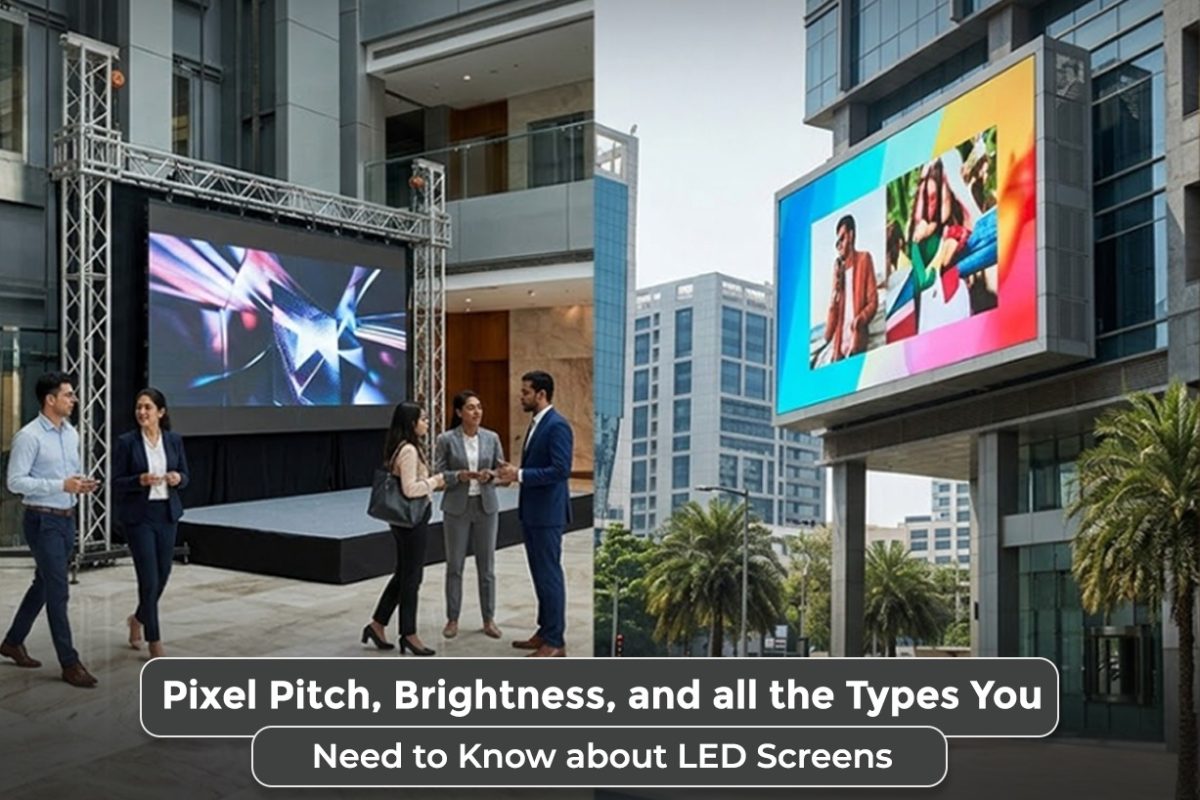
LED Display Screen & LED Board Complete Guide for Businesses in India

LED Display Screen & LED Board: Complete Guide for Businesses in India

In today’s highly competitive business environment, visual communication has become more important than ever. Whether it is a retail shop trying to attract walk-in customers, a corporate office displaying announcements, or an event organizer creating an immersive experience, digital display solutions are now playing a major role across industries. Among the most popular technologies in this space are LED display screens and LED boards.

From small shop signboards to giant outdoor advertising screens, LED technology has transformed the way businesses communicate with customers. Compared to traditional printed boards, LED displays offer dynamic content, better brightness, lower long-term maintenance, and a more premium brand appearance.

In India, the demand for LED display solutions has increased rapidly over the last few years due to:

  • Falling LED screen prices
  • Improved display quality
  • Affordable installation options
  • Growth in digital advertising
  • Rising demand for smart retail branding

Today, businesses use LED display screens for:

  • Shop branding
  • Promotions and offers
  • Digital menus
  • Event backdrops
  • Outdoor advertising
  • Corporate communication
  • Live streaming
  • Product showcases

However, many buyers still get confused between terms such as:

  • LED display screen
  • LED board
  • LED display panel
  • Electronic display board
  • LED wall
  • LED sign board

LED Display Screen vs LED Board: What’s the Difference?

Many people use the terms “LED display screen” and “LED board” interchangeably, but they are not exactly the same. While both use LED technology, their purpose, complexity, and functionality can differ significantly.

Understanding the difference helps businesses choose the right solution according to their requirements and budget.

What is an LED Display Screen?

An LED display screen is a digital display system made up of multiple LED modules or panels connected together to form a larger visual surface. These screens can display:

  • Videos
  • Images
  • Animations
  • Live feeds
  • Advertisements
  • Presentations

LED display screens are commonly used in:

  • Shopping malls
  • Corporate offices
  • Stadiums
  • Events and concerts
  • Airports
  • Retail stores
  • Outdoor advertising

Modern LED screen displays offer:

  • High brightness
  • Seamless visuals
  • HD and 4K resolution
  • Remote content management
  • Dynamic advertising capability

They are designed for both indoor and outdoor usage and can be customized in different sizes.

What is an LED Board?

An LED board is generally a simpler display or illuminated signage solution used mainly for branding, shop signage, or text-based communication.

LED boards are commonly used for:

  • Shop name boards
  • Restaurant signage
  • Pharmacy signs
  • Direction boards
  • Promotional displays
  • Running text displays

Unlike advanced LED display screens, many LED boards focus more on visibility and branding rather than high-resolution video playback.

Popular types include:

  • Glow sign boards
  • Acrylic LED boards
  • Running text LED boards
  • Neon LED boards
  • Digital scrolling boards

In simple terms:

  • LED display screens are more advanced and multimedia-oriented.
  • LED boards are usually simpler signage or branding solutions.

However, modern businesses are increasingly combining both technologies to create stronger visual branding.

Types of LED Display Screens

There are several types of LED display screens available in India today. Each type is designed for specific business needs, environments, and viewing distances.

Choosing the right type is important because it directly impacts:

  • Visual quality
  • Durability
  • Cost
  • Maintenance
  • Customer experience

Indoor LED Display Screens

Indoor LED screens are designed for controlled lighting environments where viewers stand relatively close to the display.

These screens are widely used in:

  • Retail stores
  • Corporate offices
  • Showrooms
  • Hotels
  • Conference rooms
  • Banquet halls
  • Educational institutions

Indoor LED displays usually have:

  • Smaller pixel pitch
  • Better image clarity
  • Lower brightness requirements
  • Sleek cabinet design

Popular indoor pixel pitches include:

  • P1.2
  • P1.5
  • P2
  • P2.5
  • P3

Smaller pixel pitches offer sharper visuals, making them ideal for close viewing.

Outdoor LED Display Screens

Outdoor LED display screens are specially built for harsh weather conditions and direct sunlight.

These displays are commonly used for:

  • Billboards
  • Highway advertisements
  • Stadium screens
  • Outdoor promotions
  • Building facades
  • Public information displays

Outdoor LED screens require:

  • High brightness
  • Waterproof protection
  • Dust resistance
  • Strong structural support

Popular outdoor pixel pitches include:

  • P4
  • P5
  • P6
  • P8
  • P10

Larger pixel pitches are suitable for long-distance viewing and help reduce costs.

Rental LED Screens

Rental LED screens are designed for temporary installations and portability.

These are widely used in:

  • Weddings
  • Concerts
  • Exhibitions
  • Corporate events
  • Fashion shows

Rental LED display panels are lightweight and easy to assemble or dismantle quickly.

Popular rental configurations include:

  • P2.9
  • P3.9
  • P4.8

Transparent LED Displays

Transparent LED screens are becoming increasingly popular in luxury retail stores and modern commercial buildings.

These displays allow viewers to see through the screen while still displaying digital content.

They are commonly used for:

  • Glass storefronts
  • Luxury showrooms
  • Shopping malls
  • Creative advertising

Flexible LED Displays

Flexible LED display panels can bend or curve according to design requirements.

They are used for:

  • Creative stage designs
  • Curved walls
  • Architectural installations
  • Premium branding setups

LED Display Screen Price in India

One of the most important considerations for businesses is the led display price in India.

The cost of an LED display screen depends on multiple factors such as:

  • Pixel pitch
  • Indoor or outdoor usage
  • Screen size
  • Brightness
  • Brand
  • Refresh rate
  • Cabinet quality
  • Installation requirements

Indoor LED Screen Price

Approximate indoor LED screen prices in India are:

Pixel PitchApprox Price Per Sq Ft
P1.2₹18,000 – ₹25,000
P1.5₹12,000 – ₹18,000
P2₹8,000 – ₹12,000
P2.5₹5,000 – ₹8,000
P3₹4,000 – ₹6,000

Fine-pitch displays are more expensive because they provide higher image quality and better close viewing.

Outdoor LED Screen Price

Approximate outdoor LED screen prices include:

Pixel PitchApprox Price Per Sq Ft
P4 Outdoor₹5,000 – ₹8,000
P5 Outdoor₹4,000 – ₹7,000
P6 Outdoor₹3,500 – ₹6,000
P8/P10 Outdoor₹2,500 – ₹4,500

Outdoor displays are generally costlier due to waterproofing and higher brightness requirements.

LED Board Price in India

The led display board price for shop signage varies depending on size, material, and design complexity.

Approximate prices include:

LED Board TypeApprox Starting Price
Acrylic LED board₹2,000 – ₹10,000
Glow sign board₹3,000 – ₹15,000
Running text LED board₹5,000 – ₹25,000
Neon LED sign₹4,000 – ₹20,000
Premium custom LED board₹15,000+

A premium led name board for shop with custom branding and lighting effects can cost significantly more depending on the materials used.

LED Board Designs for Shops

An attractive led board design for shop can dramatically improve visibility and customer attention.

In busy Indian markets where multiple shops compete for attention, a professionally designed LED board helps businesses stand out and appear more modern and premium.

Acrylic LED Boards

Acrylic LED boards are among the most popular options for retail shops.

They offer:

  • Clean appearance
  • Backlit illumination
  • Premium finish
  • Long lifespan

These are commonly used by:

  • Clothing stores
  • Salons
  • Restaurants
  • Clinics
  • Cafes

Neon Style LED Boards

Modern LED neon boards replicate the appearance of traditional neon lights while consuming less electricity.

They are especially popular among:

  • Cafes
  • Beauty salons
  • Gaming lounges
  • Lifestyle brands

These boards create a trendy and visually appealing atmosphere.

Running Text LED Boards

Running text LED boards display moving text and promotional messages.

They are widely used by:

  • Pharmacies
  • Electronics shops
  • Banks
  • Restaurants
  • Retail chains

Businesses use them to display:

  • Offers
  • Announcements
  • Discounts
  • Contact information

3D LED Letter Boards

3D LED letter boards create a premium branding effect by adding depth and illumination to the signage.

These are commonly installed in:

  • Shopping malls
  • Corporate offices
  • Premium retail stores

Digital LED Display Boards

Digital LED boards combine branding with multimedia functionality.

They can display:

  • Videos
  • Promotions
  • Product images
  • Dynamic advertisements

These are increasingly replacing static shop signage in urban markets.

LED Display for Retail vs Events

The requirements for retail LED displays and event LED screens are very different.

Understanding this difference helps businesses choose the right type of LED system.

LED Displays for Retail Stores

Retail stores mainly use LED display screens for:

  • Branding
  • Product promotions
  • Customer engagement
  • Digital catalogs
  • Window displays

Retail LED screens prioritize:

  • High image quality
  • Attractive visuals
  • Slim design
  • Continuous operation

Common retail display setups include:

  • Indoor P2/P2.5 screens
  • Transparent displays
  • Digital menu boards

LED Displays for Events

Event LED displays focus more on:

  • Portability
  • Fast installation
  • Large audience visibility
  • High brightness

They are commonly used for:

  • Weddings
  • Concerts
  • Conferences
  • Exhibitions

Rental LED display panels are preferred because they can be transported and reused easily.

Event displays also require:

  • Lightweight cabinets
  • Truss compatibility
  • Quick-lock systems

How to Choose the Right LED Screen

Selecting the right LED display screen involves much more than simply comparing prices.

Businesses should consider several important factors before investing.

Understand Viewing Distance

The viewing distance determines the ideal pixel pitch.

Viewing DistanceRecommended Pixel Pitch
2-3 metersP1.5 / P2
3-5 metersP2.5 / P3
5-8 metersP4 / P5
10+ metersP6 / P8 / P10

Choosing an unnecessarily small pixel pitch can increase costs without adding practical benefits.

Define Your Usage

Ask yourself:

  • Is the display for indoor or outdoor use?
  • Will it be permanent or temporary?
  • Do you need video playback or only branding?
  • How large is the audience?

Your answers will help determine the right display type.

Check Brightness Levels

Outdoor displays require much higher brightness compared to indoor screens.

A low-brightness outdoor screen may appear dull during daytime.

Evaluate Build Quality

Look for:

  • Strong cabinet material
  • Reliable power supply
  • Heat management
  • Waterproof protection

Cheap components may increase maintenance costs later.

Consider Maintenance and Warranty

Always check:

  • Warranty duration
  • Availability of spare parts
  • Service support
  • Installation assistance

A slightly more expensive LED screen with reliable support often provides better long-term value.

Top Brands & Where to Buy

Several Indian and international companies offer LED display solutions in India.

Novastar

Known for professional LED control systems and processors.

Absen

Popular for event and outdoor LED displays.

Unilumin

Widely used in premium commercial and corporate installations.

Hikvision

Offers integrated LED display systems for businesses and control rooms.

Delta

Preferred for mission-critical installations and corporate environments.

Where to Buy LED Screens in India

Businesses can purchase LED display screens from:

  • Authorized distributors
  • Local LED manufacturers
  • Digital signage companies
  • Event equipment suppliers
  • Online B2B marketplaces

Before purchasing, it is important to:

  • Compare quotations
  • Request demos
  • Check previous installations
  • Verify warranty terms
  • Confirm after-sales support

Future of LED Display Technology in India

The LED display industry in India is expected to grow rapidly over the next few years due to increasing digital adoption across sectors.

Emerging trends include:

  • AI-powered digital signage
  • Interactive LED displays
  • Transparent screens
  • Flexible LED panels
  • Energy-efficient MicroLED technology

As prices continue to decrease, more small and medium businesses are expected to adopt LED display systems for branding and communication.

FAQs

What is an LED display screen?

An LED display screen is a digital display system made using LED modules that can show videos, images, advertisements, and dynamic content.

What is the difference between LED display screen and LED board?

LED display screens are advanced multimedia displays, while LED boards are usually simpler signage or branding solutions.

What is the average LED screen price in India?

The average led screen price ranges from ₹3,000 to ₹25,000 per sq ft depending on specifications and usage.

Which LED board is best for shops?

Acrylic LED boards and 3D LED letter boards are among the most popular options for modern retail shops.

Are outdoor LED displays waterproof?

Yes, outdoor LED display screens are generally waterproof and dustproof with IP65 or higher protection.

Which pixel pitch is best for indoor LED screens?

P2 and P2.5 are commonly preferred for indoor applications due to their balance of clarity and affordability.

What is a running text LED board?

A running text LED board is an electronic display board that shows moving text messages, offers, and announcements.

How long does an LED display screen last?

Most LED display panels have a lifespan of around 80,000 to 100,000 hours with proper maintenance.

Can LED screens play videos?

Yes, modern LED display screens support videos, animations, presentations, and live streaming.

What factors affect LED display board price?

The biggest factors affecting led display board price include:

  • Pixel pitch
  • Screen size
  • Brightness
  • Indoor or outdoor usage
  • Brand quality
  • Installation requirements

Power of LED Billboards and LED Display Boards

The Power of LED Billboards and LED Display Boards in Modern Advertising

In today’s fast-paced, visually driven world, businesses are constantly searching for innovative ways to capture attention and engage their audience. One of the most effective solutions to achieve this is through LED billboards and LED display boards. These high-impact visual displays are not only eye-catching but also versatile, enabling businesses to convey dynamic and real-time content to a wide range of audiences.

What Are LED Billboards and LED Display Boards?

LED billboards are large outdoor advertising displays that use light-emitting diodes (LEDs) to show dynamic content such as videos, images, and text. These billboards are designed to grab attention from a distance, making them ideal for high-traffic locations such as highways, city streets, and event spaces. The flexibility of LED billboards allows advertisers to rotate multiple ads or display real-time information, ensuring that their message reaches the largest possible audience.

LED display boards, while similar to billboards, are typically smaller in size and used for indoor applications. They are commonly found in shopping malls, airports, sports arenas, and corporate offices. These boards can display a wide range of content, including promotional material, schedules, customer information, and emergency alerts. Due to their high brightness and energy efficiency, LED display boards are perfect for environments with varying lighting conditions, ensuring that the message remains visible in both bright and low-light settings.

Why Are LED Billboards and LED Display Boards Important?

  1. High Visibility and Attention-Grabbing
    LED billboards and LED display boards are designed to stand out. Their bright, vibrant colors and high contrast make them visible even from a distance, which is crucial for outdoor advertising in areas with heavy foot or vehicle traffic. Their ability to display moving images or videos makes them even more effective at capturing attention compared to static posters or signs.
  2. Dynamic and Real-Time Content
    One of the greatest advantages of LED billboards and LED display boards is the ability to display dynamic content. Unlike traditional billboards, which can only show static images, LED displays can show videos, slideshows, and real-time data. This makes them perfect for advertising time-sensitive promotions, displaying live social media feeds, news updates, or event countdowns. For example, a LED billboard on a busy street can show an advertisement that changes every 10 seconds, keeping the content fresh and engaging.
  3. Energy Efficiency
    LED technology is known for its energy efficiency. LED display boards and billboards consume less power than traditional forms of signage, which helps businesses reduce energy costs. The long lifespan of LEDs also ensures that businesses save money on maintenance and replacement, making it a cost-effective solution in the long run.
  4. Customizable and Flexible
    Another benefit of LED billboards and LED display boards is their flexibility in content. Advertisers can quickly update the messages or adjust the visuals on these displays remotely, allowing for real-time changes without the need for physical alterations. This is especially beneficial for campaigns that require frequent content updates, such as sales promotions, event schedules, or product launches.

Case Study: Coca-Cola’s LED Billboard Campaign in Times Square

One of the most iconic uses of LED billboards occurred in Times Square, New York, where Coca-Cola installed one of the largest and most dynamic LED display boards in the world. The billboard, which spans an entire building, features a high-definition, color-rich display capable of showing everything from video advertisements to interactive experiences.

The Coca-Cola campaign used this LED billboard to promote its brand in a highly engaging way. Through vibrant, visually stunning animations, the company was able to create a compelling story about its products and brand values. Moreover, the LED display board allowed Coca-Cola to incorporate real-time content, such as live events, special offers, and even social media feeds, allowing the company to interact directly with consumers in an engaging and dynamic way.

The campaign was incredibly successful, with many tourists and locals stopping to watch the engaging content. Not only did Coca-Cola’s LED billboard increase brand awareness, but it also highlighted how effective digital billboards can be in creating an unforgettable visual experience for audiences.

FAQs About LED Billboards and LED Display Boards

Q1: What is the difference between an LED billboard and an LED display board?

A1: LED billboards are large-scale outdoor displays designed for high-visibility advertising in public spaces, often seen in busy areas like highways and city centers. LED display boards are typically smaller and used indoors or in smaller-scale environments like shopping malls, airports, or sports arenas. Both use LED technology but differ in size, location, and application.

Q2: How do I update content on LED billboards or display boards?

A2: Businesses typically update content on LED billboards and LED display boards using a content management system (CMS). This system enables them to control and schedule content remotely, allowing instant updates from any internet-enabled device.

Q3: Are LED billboards environmentally friendly?

A3: Yes, LED billboards and LED display boards are more energy-efficient than traditional forms of advertising, such as neon signs or printed billboards. LEDs consume less power, have a longer lifespan, and produce less heat, which contributes to lower energy usage and reduced environmental impact.

Q4: Are LED billboards effective in all weather conditions?

A4: Yes, manufacturers design LED billboards to withstand various weather conditions, including rain, snow, and extreme temperatures. They build outdoor LED display boards with weather-resistant casings and equip them with high brightness levels to ensure visibility even in bright sunlight.

Q5: How long do LED display boards last?

A5: LED display boards are durable and long-lasting. On average, they can last between 50,000 to 100,000 hours of continuous use, depending on the quality of the LEDs and the operating conditions.

Conclusion

LED billboards and LED display boards have revolutionized the way businesses communicate with their audience. With their ability to display dynamic, real-time content and their high visibility, these displays offer a powerful tool for advertising, public messaging, and engaging with customers. As businesses continue to embrace digital signage, LED billboards and LED display boards will play an increasingly important role in shaping the future of advertising and information dissemination.

The-Impact-of-LED-Display-Boards-and-Digital-Signage-Software-on-Modern-Business-Communications-

The Impact of LED Display Boards and Digital Signage Software

In today’s fast-paced world, businesses are constantly seeking innovative ways to capture attention, engage audiences, and deliver effective messaging. One of the most powerful tools that have emerged in this area is the LED display board, especially when paired with advanced digital signage software. This combination offers businesses a dynamic and efficient way to communicate with their target audience, whether through advertising, information dissemination, or brand building.

This blog explores how LED display boards and digital signage software are transforming communication strategies for businesses, their advantages, and how to leverage them for maximum impact.

What Are LED Display Boards?

An LED display board is a digital display technology that uses light-emitting diodes (LEDs) to produce high-quality visuals. Unlike traditional signage, which relies on static printed materials, LED display boards offer vibrant, dynamic, and customizable content that can updated in real time. These displays come in various sizes and formats, including outdoor and indoor versions, making them suitable for a wide range of applications from retail spaces and corporate offices to outdoor billboards.

LEDs are known for their energy efficiency, long lifespan, and ability to deliver bright visuals even in direct sunlight. Because of these characteristics, LED display boards have become the preferred choice for businesses aiming to communicate messages with clarity and impact.

The Role of Digital Signage Software

While LED display boards are an essential component of modern digital signage, the digital signage software is the brain that controls and manages what is displayed on these screens. Digital signage software allows businesses to design, schedule, and update content displayed on LED display boards remotely.

Through this software, businesses can control multiple screens from a single point, ensuring a seamless and consistent experience for viewers. The content can range from text and images to videos, animations, and even live feeds. The software offers features like real-time content management, scheduling, and analytics, allowing businesses to adapt their messaging to specific times of day, audience preferences, and promotional campaigns.

In essence, digital signage software acts as a centralized platform for controlling digital signage content across various locations, simplifying content management and reducing the need for manual intervention.

Advantages of LED Display Boards for Businesses

  1. Increased Visibility and Engagement – LED display boards attract attention more effectively than traditional signage. Their bright, dynamic visuals can seen from long distances, making them ideal for busy retail environments, event venues, or outdoor advertising. The use of motion graphics, videos, and high-definition images engages viewers in a way static displays cannot match.
  2. Flexibility and Customization – One of the most significant benefits of LED display boards is their ability to display a wide range of content formats, from advertisements and promotions to news, weather updates, and event schedules. This flexibility allows businesses to tailor their messaging based on the time of day, target audience, or specific campaigns. For instance, a store can showcase different promotions in the morning, afternoon, and evening to reach various customer segments effectively.
  3. Cost-Effectiveness in the Long Run – While the initial investment in LED display boards can be substantial, their energy efficiency and long lifespan make them a cost-effective solution over time. Unlike traditional billboards that require constant updates and printing, LED display boards enable businesses to make instant changes without additional costs, saving money on printing and labor.
  4. Improved Brand Image – Businesses that use LED display boards can create a modern, innovative, and tech-savvy brand image. The dynamic nature of digital signage helps reinforce a forward-thinking, cutting-edge approach, which is particularly important in competitive industries like retail, hospitality, and entertainment.
  5. Enhanced Customer Experience – Digital signage is an excellent way to improve the customer experience. LED display boards can used to provide useful information such as directions, product availability, or real-time promotions. In retail stores, for example, LED displays can show product demonstrations or customer reviews, enhancing the shopping experience and encouraging purchase decisions.

How Digital Signage Software Maximizes the Impact of LED Display Boards

Real-Time Content Updates

One of the most significant advantages of digital signage software is the ability to update content remotely and instantly. Businesses no longer need to print new posters or flyers to update their messaging. With a few clicks, they can change what’s displayed on all connected LED display boards. This is particularly useful for time-sensitive promotions or events that require immediate updates, such as flash sales, breaking news, or emergency announcements.

Content Scheduling

Digital signage software allows businesses to schedule content in advance, ensuring that the right message is displayed at the right time. For example, a shopping mall may schedule promotional videos to displayed during peak shopping hours or set up informational displays during off-peak hours to provide directions or store information. This scheduling feature maximizes the effectiveness of LED display boards, ensuring they are always showing relevant and timely content.

Remote Management

With digital signage software, businesses can manage LED display boards remotely, whether they are located in the same building or across multiple locations. This centralized control makes it easy to ensure consistency across all displays, regardless of their physical location. For businesses with multiple branches or franchises, this feature is essential for maintaining brand consistency.

Interactive Capabilities

Modern digital signage software often includes features that allow for interactive elements, turning LED display boards into engaging, user-friendly touchpoints. For instance, interactive kiosks can integrated into retail stores, allowing customers to browse products, check inventory, or access personalized offers. This interactivity enhances customer engagement and provides a more immersive experience.

Analytics and Insights

Many digital signage software platforms include built-in analytics tools that track viewer engagement, content performance, and overall effectiveness. These insights allow businesses to understand which content resonates best with their audience and make data-driven decisions to improve their strategies. For example, a business can analyze foot traffic data to determine when a particular promotional video or ad performed best, optimizing the content for future campaigns.

Integration with Other Marketing Tools

Digital signage software can integrate seamlessly with other marketing tools and platforms, such as social media feeds, customer loyalty programs, or point-of-sale systems. For example, integrating social media content into LED display boards can help businesses showcase user-generated content, increasing customer engagement and promoting a sense of community.

Use Cases for LED Display Boards and Digital Signage Software

  1. Retail

In retail environments, LED display boards are often used to showcase product promotions, advertisements, and brand messaging. With the help of digital signage software, retailers can update their displays in real time to highlight new arrivals, flash sales, or seasonal promotions. The flexibility of digital signage ensures that content can personalized based on customer preferences, creating a more engaging shopping experience.

  1. Corporate Environments

LED display boards in corporate settings can used for internal communication, such as displaying announcements, meeting schedules, or company news. By using digital signage software, companies can ensure that their employees are always informed and up-to-date on important information, enhancing overall productivity and communication within the organization.

  1. Hospitals and Healthcare

In healthcare facilities, LED display boards are commonly using for patient information, directions, and announcements. They help improve the overall patient experience by providing clear, concise, and easily accessible information in real time. Digital signage software allows healthcare providers to update content as needed, such as notifying patients of changes to appointment schedules or providing emergency alerts.

  1. Hospitality and Entertainment

In the hospitality industry, LED display boards can used for wayfinding, event listings, or promotional messages. Whether in hotels, airports, or entertainment venues, digital signage software helps ensure that the right content is displayed to the right audience, at the right time.

Conclusion

The combination of LED display boards and digital signage software offers businesses an unprecedented opportunity to communicate effectively with their audience. By utilizing these tools, businesses can create dynamic, engaging, and cost-effective communication strategies that drive customer engagement, increase brand awareness, and improve operational efficiency.

As the world becomes increasingly digital, the role of this in business communication will only continue to grow. With the right digital signage software, businesses can transform how they interact with customers, providing relevant, timely, and engaging content that leaves a lasting impression.

Whether for retail, hospitality, corporate environments, or healthcare, the versatility and impact of LED display boards and digital signage software are clear. Businesses that embrace these technologies will well-positioned to thrive in the digital age.

Maximize Impact with Outdoor Advertising LED Screens

Maximize Impact with Outdoor Advertising LED Display Screens and OOH Advertising Strategy

In the realm of advertising, capturing the attention of audiences in outdoor spaces presents both a challenge and an opportunity. Traditional static billboards have long been a staple of out-of-home (OOH) advertising, but in today’s dynamic digital landscape, outdoor advertising LED display screens are taking center stage. In this blog, we’ll explore the significance of outdoor LED display screens in advertising, delve into effective OOH advertising strategies, and discuss how businesses can leverage these tools to maximize impact and reach their target audience.

Outdoor advertising has evolved significantly over the years, from painted signs on buildings to towering billboards along highways. In recent times, the advent of LED display screens has revolutionized outdoor advertising, offering advertisers a dynamic and versatile platform to engage with audiences in high-traffic areas.

The Rise of Outdoor Advertising LED Display Screens

The rise of outdoor advertising LED display screens can be attributed to several key factors:

  1. Dynamic Content: Unlike traditional static billboards, LED display screens allow for the seamless integration of dynamic content, including videos, animations, and interactive elements. This versatility enables advertisers to create engaging and immersive experiences that captivate audiences and leave a lasting impression.
  2. Real-Time Updates: LED display screens offer the flexibility to update content in real-time, allowing advertisers to adapt messaging based on factors such as time of day, weather conditions, and audience demographics. This agility ensures that advertising campaigns remain relevant and impactful in an ever-changing environment.
  3. Enhanced Visibility: LED display screens leverage high-brightness LED technology to deliver crisp and vibrant visuals that are visible even in bright sunlight. This enhanced visibility ensures that advertisements stand out in crowded outdoor spaces and command attention from passing pedestrians and motorists.
  4. Cost-Effectiveness: While the initial investment in LED display screens may be higher than traditional billboards, the long-term cost-effectiveness is significant. LED technology offers energy efficiency and durability, resulting in lower operating costs and maintenance requirements over time.
  5. Interactivity: Some LED display screens incorporate interactive features such as touchscreens, gesture recognition, and mobile integration, allowing audiences to engage directly with the content. This interactivity not only increases engagement but also provides valuable data insights for advertisers.

Effective OOH Advertising Strategy

To maximize the impact of outdoor advertising LED display screens, businesses must develop a strategic approach that aligns with their marketing objectives and target audience. Here are some key components of an effective OOH advertising strategy:

  1. Audience Analysis: Begin by identifying the target audience for your advertising campaign and understanding their demographics, preferences, and behaviors. This will inform decisions regarding the location, timing, and content of your outdoor advertising efforts.
  2. Strategic Placement: Choose high-traffic locations with optimal visibility and relevance to your target audience for placing LED display screens. Consider factors such as foot traffic, vehicular traffic, and dwell time to maximize exposure and engagement.
  3. Real-Time Adaptation: Take advantage of the flexibility of LED display screens to adapt content in real-time based on contextual factors such as time of day, weather conditions, and audience demographics. Tailor messaging to resonate with audiences and capitalize on relevant trends or events.
  4. Integration with Digital Channels: Integrate outdoor advertising efforts with digital channels such as social media, mobile apps, and websites to create a cohesive omnichannel experience. Leverage QR codes, NFC tags, or custom URLs to drive online engagement and track campaign performance.
  5. Measurement and Optimization: Implement tracking mechanisms to monitor the effectiveness of your outdoor advertising campaigns and gather insights into audience engagement, impressions, and conversion rates. Use this data to optimize content strategy, placement decisions, and resource allocation for future campaigns.

Case Studies and Success Stories

To illustrate the effectiveness of outdoor advertising LED display screens and OOH advertising strategies, let’s explore a few case studies and success stories:

Times Square, New York City: Times Square is renowned for its iconic LED billboards and digital displays, which attract millions of visitors each year. Brands such as Coca-Cola, Samsung, and Nike have leveraged the prime real estate in Times Square to launch high-impact advertising campaigns that reach a global audience and generate buzz.

Shibuya Crossing, Tokyo: Shibuya Crossing is one of the busiest pedestrian intersections in the world, making it a prime location for outdoor advertising. In 2019, Adidas launched a campaign in Shibuya Crossing featuring a large LED display screen showcasing immersive visuals and interactive experiences. The campaign garnered significant social media buzz and drove foot traffic to nearby Adidas stores.

Conclusion

Outdoor advertising LED display screens have transformed the way businesses communicate with audiences in outdoor spaces, offering dynamic and engaging platforms to convey messages and create memorable brand experiences. By developing strategic OOH advertising strategies that leverage the unique capabilities of LED display screens, businesses can maximize impact, reach, and ROI.

As technology continues to evolve, the future of outdoor advertising holds tremendous potential for innovation and creativity. From augmented reality experiences to personalized messaging based on real-time data insights, the possibilities are endless for advertisers looking to captivate audiences and drive results in the ever-changing outdoor landscape. By embracing these emerging trends and best practices, businesses can stay ahead of the curve and unlock the full potential of outdoor advertising LED display screens as a powerful tool for brand promotion and engagement.

The Evolution and Impact of LED Display Boards for Advertising and Digital Display

How Advertising LED Display Boards Are Transforming Digital Advertising

In an era where technology evolves at a breakneck pace, businesses and advertisers are constantly on the lookout for innovative methods to capture attention and convey messages. One such transformative technology that has significantly reshaped the landscape of advertising and digital displays is the LED display board. These vibrant, versatile, and energy-efficient displays have become a cornerstone of modern advertising, offering a myriad of benefits over traditional methods. This blog delves into the evolution, advantages, applications, and future trends of LED display boards for advertising and digital display, providing a comprehensive overview of this dynamic technology.

The Evolution of LED Display Boards

The journey of LED (Light Emitting Diode) technology began in the early 1960s when the first visible-spectrum LED was created by Nick Holonyak Jr. Over the years, LEDs have undergone substantial advancements, transitioning from simple indicator lights to sophisticated display systems capable of rendering high-resolution images and videos.

The significant milestones in the evolution of LED display boards include:

  1. 1970s – 1980s: Early Applications:
  • Initial uses of LEDs were limited to simple, monochromatic displays such as calculator screens and digital clocks. These early applications demonstrated the potential of LEDs but were constrained by low brightness and limited color options.
  1. 1990s: Technological Breakthroughs:
  • Advancements in semiconductor materials led to the development of high-brightness LEDs. This period saw the introduction of red, green, and blue LEDs, which could be combined to produce full-color displays. LED technology began to be adopted for outdoor signage and scoreboards.
  1. 2000s: Expansion and Innovation:
  • The 2000s marked a significant expansion in the use of LED display boards. Improvements in resolution, color accuracy, and energy efficiency made LEDs a viable option for large-scale advertising displays, including billboards and stadium screens.
  1. 2010s: The Digital Revolution:
  • The integration of digital technology with LED displays revolutionized the advertising industry. High-definition (HD) and ultra-high-definition (UHD) LED screens became common, offering unparalleled image quality. Digital signage systems allowed for dynamic content management, enabling real-time updates and interactive displays.
  1. 2020s: Smart and Sustainable Solutions:
  • Today, LED display boards are not only brighter and more colorful but also smarter. Integration with IoT (Internet of Things) technology allows for remote monitoring and control. Sustainability has also become a focus, with energy-efficient LEDs reducing environmental impact.

Advantages of LED Display Boards for Advertising

LED display boards for advertising offer several advantages over traditional advertising mediums. This makes them an attractive choice for businesses looking to make a lasting impression.

  1. High Visibility and Brightness:
  • LEDs are known for their exceptional brightness, which ensures that advertisements remain visible even in direct sunlight. This high visibility is crucial for outdoor advertising, where ambient light conditions can vary significantly.
  1. Dynamic and Engaging Content:
  • Unlike static billboards, LED displays can showcase dynamic content, including animations, videos, and interactive features. This capability allows advertisers to create more engaging and memorable experiences for their audience.
  1. Energy Efficiency:
  • LEDs consume significantly less power compared to traditional incandescent or fluorescent lighting. This energy efficiency translates to lower operating costs and a reduced carbon footprint.
  1. Long Lifespan:
  • LED display boards have a long operational life, often exceeding 50,000 hours of use. This longevity reduces maintenance costs and ensures consistent performance over time.
  1. Flexibility and Customization:
  • LED displays can be customized to fit various shapes and sizes, making them suitable for a wide range of applications, from small indoor screens to massive outdoor billboards. Additionally, content can be easily updated and tailored to specific audiences or events.
  1. Remote Control and Management:
  • Modern LED display systems can be managed remotely, allowing for real-time updates and adjustments. This feature is particularly useful for advertisers who need to change content frequently or respond to real-time events.
  1. Enhanced Visual Quality:
  • With advancements in pixel density and color calibration, LED displays offer superior visual quality, with sharp images and vibrant colors that capture viewers’ attention.

Usage of LED Display Boards for Advertising

The versatility of LED display boards has led to their adoption across a diverse range of advertising applications. Here are some of the most prominent uses:

  1. Outdoor Billboards:
  • LED billboards are a common sight along highways and in urban areas. Their ability to display high-resolution images and videos makes them ideal for capturing the attention of motorists and pedestrians alike.
  1. Retail Signage:
  • Retailers use LED displays to showcase promotions, new products, and important announcements. These displays can be placed in storefront windows, inside stores, or at checkout counters to influence purchasing decisions.
  1. Transportation Hubs:
  • Airports, train stations, and bus terminals utilize LED screens for advertising as well as providing information. These displays can inform travelers about schedules, delays, and other important updates while also serving as a platform for commercial advertisements.
  1. Sports Venues:
  • Stadiums and arenas are equipped with large LED screens that display live game footage, replays, advertisements, and interactive content. These displays enhance the spectator experience and provide valuable advertising space.
  1. Events and Exhibitions:
  • LED displays are a staple at trade shows, conferences, and other events. They are used for presentations, live demonstrations, and promotional content, helping exhibitors attract and engage visitors.
  1. Corporate Communication:
  • Companies use LED displays for internal communication, displaying important announcements, performance metrics, and motivational content. These displays can be found in lobbies, break rooms, and other common areas.

As technology continues to advance, LED display boards are expected to become even more integral to the advertising landscape. Here are some emerging trends to watch:

  1. MicroLED and MiniLED:
  • MicroLED and MiniLED technologies represent the next evolution in LED displays, offering higher brightness, better color accuracy, and improved energy efficiency. These technologies are expected to become more prevalent in both consumer and commercial displays.
  1. Smart and Interactive Displays:
  • Advances in AI and IoT are enabling LED displays to become smarter and more interactive. Future displays may feature facial recognition, gesture control, and personalized content, enhancing the viewer’s experience and providing valuable data to advertisers.
  1. Sustainable Solutions:
  • As sustainability becomes a global priority, the LED display industry is focusing on developing eco-friendly solutions. This includes using recyclable materials, reducing power consumption, and implementing energy-efficient technologies.
  1. Enhanced Connectivity:
  • The advent of 5G and other high-speed connectivity solutions will enable LED displays to deliver richer content and real-time updates with minimal latency. This connectivity will support more dynamic and interactive advertising campaigns.

Conclusion

LED display boards have undeniably transformed the advertising industry, offering unmatched visibility, dynamic content capabilities, and energy efficiency. As technology continues to evolve, these displays are set to become even more versatile and impactful, opening up new opportunities for creative and engaging advertising. Businesses that leverage the power of LED display boards will be well-positioned to capture the attention of their audience and stay ahead in the competitive world of advertising.

Revolutionizing Advertising_ The Power of Digital Display and LED Display Boards

Revolutionizing Advertising: The Power of LED Display Boards

In the ever-evolving landscape of advertising, the shift towards digital boards and LED display technology has been nothing short of revolutionary. Gone are the days of static billboards and print ads dominating cityscapes. Instead, we find ourselves immersed in a world where dynamic, eye-catching digital displays captivate audiences and redefine the possibilities of brand communication. In this blog post, we’ll delve into the transformative impact of digital boards for advertising and LED display boards, exploring their benefits, applications, and the future they herald for the advertising industry.

Understanding Digital Boards and LED Display Technology

Before we delve into the intricacies of their impact, let’s first understand what digital boards and LED display technology entail.

Digital Boards: These are electronic displays that use technologies such as LCD (Liquid Crystal Display), LED (Light Emitting Diode), or OLED (Organic Light Emitting Diode) to showcase content. They offer dynamic capabilities, allowing for the seamless integration of video, animation, and real-time content updates.

LED Display Boards: LED technology involves the use of light-emitting diodes to create displays. LED display boards are composed of numerous LED modules, which collectively form a vibrant and versatile screen capable of showcasing high-resolution content. They are widely used for outdoor advertising, sports stadiums, concerts, and various other applications.

The Advantages of LED Display Boards

1. Dynamic Content: One of the most significant advantages of digital boards and LED displays is their ability to showcase dynamic content. Unlike traditional static billboards, these technologies allow advertisers to display videos, animations, and real-time updates, enabling more engaging and impactful communication with audiences.

2. Enhanced Visibility: LED display boards offer superior brightness and clarity, making them highly visible even in broad daylight. This enhanced visibility ensures that advertisements effectively capture the attention of passersby, maximizing their impact and reach.

3. Flexibility and Customization: Digital boards and LED displays provide advertisers with unparalleled flexibility and customization options. Content can be easily updated and tailored to specific audiences or events, allowing brands to remain relevant and responsive in a fast-paced market environment.

4. Cost-effectiveness: While the initial investment in digital boards and LED displays may be higher than traditional advertising mediums, their long-term cost-effectiveness cannot be understated. These technologies offer greater durability, energy efficiency, and the potential for higher returns on investment due to their ability to attract and engage audiences more effectively.

5. Environmental Sustainability: LED technology is renowned for its energy efficiency and environmental sustainability. LED display boards consume significantly less power than traditional lighting systems, thereby reducing carbon emissions and operating costs. Additionally, their longevity and durability contribute to a reduction in electronic waste, further enhancing their eco-friendly credentials.

Applications of LED Digital Boards in Advertising

1. Outdoor Advertising: Digital billboards and LED display screens have transformed outdoor advertising by offering dynamic, attention-grabbing displays that can be updated in real-time. From highways to city centers, these displays command attention and provide advertisers with a powerful platform to showcase their messaging.

2. Retail Environments: In retail settings, digital boards and LED displays are used to enhance the customer experience, showcase product promotions, and drive sales. Whether as standalone displays or integrated into store fixtures, these technologies create immersive environments that captivate shoppers and encourage purchase decisions.

3. Events and Sponsorships: From sports stadiums to music festivals, digital boards and LED displays play a pivotal role in event sponsorships and brand activations. Their ability to deliver high-impact visuals and dynamic content ensures that sponsors receive maximum exposure and engagement from event attendees.

4. Transportation Hubs: Airports, train stations, and bus terminals are prime locations for digital boards and LED displays. These displays provide valuable information to travelers, such as flight schedules, departure gates, and advertising messages. Their vibrant displays and real-time updates help create a dynamic and engaging environment for passengers.

5. Corporate Branding: Within corporate environments, digital boards and LED displays are used for internal communication, employee engagement, and brand promotion. Whether in lobbies, conference rooms, or employee break areas, these displays serve as effective channels for conveying corporate messaging and fostering a sense of belonging among staff.

The Future of Digital Boards and LED Displays

As technology continues to advance, the future of digital boards and LED displays holds immense promise for further innovation and growth. Here are some key trends shaping the future of these technologies:

1. Increased Interactivity: The integration of touchscreen capabilities and interactive features will enable users to engage with digital boards and LED displays in new and immersive ways. This interactivity will enhance user experiences and open up opportunities for experiential marketing campaigns.

2. Augmented Reality (AR) Integration: AR technology is poised to revolutionize advertising by overlaying digital content onto the physical world. LED digital boards will serve as platforms for delivering AR experiences, blurring the lines between the virtual and real environments.

3. Integration with Big Data and Analytics: By leveraging data analytics and machine learning algorithms, advertisers can optimize the content displayed on digital boards and LED displays in real-time. This data-driven approach will ensure that advertisements are targeted, relevant, and tailored to the preferences and behaviors of specific audiences.

4. Sustainability Initiatives: The push towards sustainability will drive the development of eco-friendly materials and energy-efficient technologies for LED display boards. Manufacturers and advertisers alike will prioritize environmental sustainability in their product designs and campaigns, aligning with consumer preferences for eco-conscious brands.

5. Advancements in Display Technology: Ongoing advancements in display technology, such as micro-LEDs and flexible displays, will expand the creative possibilities for digital boards and LED displays. These innovations will enable advertisers to create even more immersive and visually stunning experiences for their audiences.

Conclusion

In conclusion, LED digital boards represent a paradigm shift in the world of advertising, offering unparalleled opportunities for brands to connect with consumers in impactful and engaging ways. From dynamic outdoor billboards to interactive retail displays, these technologies continue to redefine the boundaries of traditional advertising mediums. As we look towards the future, the evolution of LED digital boards promises to usher in a new era of creativity, interactivity, and sustainability in advertising, shaping the way brands communicate and engage with audiences for years to come.

Unveiling-the-Brilliance-of-LED-Video-Walls-and-LED-Signs

LED Displays & LED Signage: Enhancing Visual Communication

In the realm of visual communication, LED technology has emerged as a trailblazer, transforming the landscape of advertising, entertainment, and information dissemination. LED video walls and LED signs have become integral elements in modern urban environments, captivating audiences with their vibrant displays and dynamic capabilities. This blog will delve into the intricacies of LED technology, exploring the evolution, applications, advantages, and future prospects of LED video walls and signs.

The Evolution of LED Technology

The journey of LED technology began with humble origins, evolving from basic light-emitting diodes to the sophisticated displays we see today. Initially used for indicator lights, LEDs gradually progressed to larger applications, including alphanumeric displays. The breakthrough came with the development of full-color LEDs, paving the way for vibrant and visually stunning displays. The continuous refinement of LED technology has resulted in higher resolutions, enhanced color accuracy, and improved energy efficiency.

Understanding LED Video Walls

LED video walls represent a fusion of art and technology, creating immersive and captivating visual experiences. These walls consist of an array of LED modules seamlessly tiled together to form a cohesive and seamless display. The modular nature of LED video walls allows for scalability, enabling the creation of displays of virtually any size and shape. From sports arenas to shopping malls, LED video walls have found applications in diverse settings, captivating audiences with high-resolution imagery and dynamic content.

Applications of LED Video Walls

a. Entertainment Venues: LED video walls have become a staple in entertainment venues, providing concert-goers and sports enthusiasts with larger-than-life visual experiences. The versatility of LED video walls allows for the creation of interactive and engaging displays that enhance the overall entertainment value.

b. Retail Environments: In retail settings, LED video walls serve as attention-grabbing displays for advertising and branding. These walls can be customized to showcase product promotions, advertisements, and brand messaging, creating an immersive shopping experience for customers.

c. Control Rooms: LED video walls find crucial applications in control rooms, where real-time data monitoring and decision-making are essential. The high resolution and seamless integration capabilities make LED video walls an ideal choice for command centers and control rooms in sectors such as transportation, utilities, and security.

The Advantages of LED Video Walls

a. Brightness and Visibility: LED technology offers exceptional brightness, ensuring optimal visibility even in well-lit environments. This makes LED video walls ideal for outdoor advertising and daytime events.

b. Energy Efficiency: Compared to traditional display technologies, LEDs are more energy-efficient, contributing to sustainability efforts. The low power consumption of LED video walls makes them a cost-effective and environmentally friendly choice.

c. Flexibility and Customization: The modular nature of LED video walls allows for creative and customizable displays. From curved installations to unconventional shapes, LED video walls offer unparalleled flexibility in design.

d. Longevity and Reliability: LEDs have a longer lifespan compared to traditional display technologies, contributing to the overall cost-effectiveness of LED video walls. Additionally, LEDs are known for their reliability, providing uninterrupted performance over extended periods.

LED Signs: Illuminating the Information Highway

a. Outdoor Advertising: LED signs have revolutionized outdoor advertising, providing businesses with dynamic and eye-catching displays. Whether on billboards, storefronts, or roadside signs, LED technology ensures that messages are delivered with maximum impact.

b. Wayfinding and Information Displays: LED signs play a crucial role in guiding people through complex environments. From airports to shopping centers, LED signs provide clear and dynamic wayfinding information, enhancing the overall visitor experience.

c. Digital Menus: In the hospitality industry, LED signs have become popular for digital menus. The dynamic nature of LED displays allows for easy updates and customization of menu items, contributing to a modern and efficient dining experience.

The Future of LED Technology

As technology continues to advance, the future of LED displays holds exciting possibilities. Innovations in materials, manufacturing processes, and display technologies are likely to result in even higher resolutions, improved energy efficiency, and expanded applications. The integration of AI and smart technologies may further enhance the interactivity and adaptability of LED displays, opening up new avenues for communication and engagement.

Conclusion

LED video walls and LED signs have transcended the boundaries of traditional display technologies, reshaping the way we perceive and interact with visual information. From the evolution of LED technology to the myriad applications and advantages, these displays have become indispensable in various industries. As we look towards the future, the continued innovation in LED technology promises to bring about even more dazzling and immersive visual experiences, further cementing LED displays as beacons of brilliance in the digital landscape.

In conclusion, LED video walls and LED signs have reshaped the visual landscape, offering unparalleled possibilities in terms of design, communication, and engagement. As technology continues to advance, these displays will likely play an even more significant role in how information is presented and consumed, making them a beacon of innovation in the digital age. The journey from traditional displays to the brilliance of LEDs is not just a technological evolution but a transformative force shaping the way we experience the world around us.

Wish to get started? Connect with our experts at Sparsa Digital today, and wait no more. Our team of seasoned experts ensure delivering the highest quality of solutions considering business’ needs and requirements. It is never too late to begin. Schedule your appointment with us now!

LED Running Display Boards

Illuminating the Future: Unraveling the Marvels of LED Running Display Boards

In today’s fast-paced world, effective communication is paramount for businesses, institutions, and public spaces. Whether it’s conveying information, advertising products and services, or sharing updates, traditional static signage often falls short of meeting the dynamic needs of modern communication. Enter the LED running display board, an innovative and versatile solution that has revolutionized the way we communicate and engage with audiences. In this blog, we will explore the fascinating world of LED running display boards, uncovering their features, applications, advantages, and the ways they have transformed various industries.

The Ingenious Technology Behind LED Running Display Boards

1.1 What is an LED Running Display Board?

An LED running display board, also known as a LED ticker display or scrolling LED sign, is an electronic display panel equipped with light-emitting diodes (LEDs) that move horizontally or vertically, showcasing dynamic content and messages. These displays are programmable and can be controlled remotely, allowing for real-time updates and personalized communication.

1.2 How do LED Running Display Boards Work?

LED running display boards consist of an array of LEDs arranged in a matrix. The display controller processes the input data, which could be text, images, or videos, and activates specific LEDs to create the desired content. The speed and direction of the scrolling are adjustable, providing flexibility in displaying messages.

The Versatility of LED Running Display Boards

2.1 Indoor Applications

LED running display boards find extensive use in indoor settings such as corporate offices, financial institutions, airports, and retail stores. They serve as eye-catching information centers, displaying stock market updates, company announcements, news headlines, and other important messages.

2.2 Outdoor Applications

In outdoor environments, LED running display boards are commonly used for advertising, branding, and public information dissemination. From showcasing advertisements on buildings to displaying public transport schedules and weather updates in transportation hubs, these displays enhance communication and visibility.

2.3 Sports Arenas and Stadiums

Sports arenas and stadiums have embraced LED running display boards to enrich the fan experience. These displays show live scores, game statistics, and instant replays, creating an immersive and engaging atmosphere for spectators.

2.4 Educational Institutions

In schools and universities, LED running display boards serve as notice boards, displaying important announcements, exam schedules, and other educational information. They also foster a sense of community by showcasing achievements and events.

Advantages of LED Running Display Boards

3.1 Dynamic Content Display

LED running display boards excel in presenting dynamic and engaging content. The ability to scroll text and showcase moving images and videos captivates audiences and ensures messages don’t go unnoticed.

3.2 Real-time Updates

Unlike static signage, LED running display boards offer real-time updates, making them ideal for disseminating live information such as stock prices, news, or social media feeds.

3.3 Cost-effective Advertising

For businesses, LED running display boards are a cost-effective advertising solution. They allow companies to showcase their products and services to a wide audience, enhancing brand visibility and increasing footfall.

3.4 Energy Efficiency

LED technology is energy-efficient, consuming less power compared to traditional incandescent bulbs. This not only reduces operating costs but also contributes to sustainability efforts.

3.5 Customization and Remote Control

LED running display boards can be customized to suit specific needs and preferences. Businesses and institutions can remotely control and schedule content, ensuring relevant messages reach the right audience at the right time.

Implementing LED Running Display Boards Effectively

4.1 Understanding Audience and Purpose

Before deploying LED running display boards, it is essential to identify the target audience and define the communication objectives. Tailoring the content to resonate with the audience ensures maximum impact.

4.2 Choosing the Right Location

Strategic placement of LED running display boards significantly influences their effectiveness. High-traffic areas, waiting rooms, and entrances are prime locations for maximum visibility.

4.3 Content Management and Scheduling

Having a robust content management system is crucial for seamless operation. Organizations should invest in user-friendly software that allows easy scheduling, content creation, and updates.

4.4 Maintenance and Support

Regular maintenance and timely technical support are essential to keep LED running display boards running smoothly. This ensures minimal downtime and maximizes the lifespan of the displays.

Conclusion

The advent of LED running display boards has transformed the way we communicate, engage, and interact with our surroundings. From businesses and educational institutions to sports arenas and public spaces, the versatility and effectiveness of these dynamic displays are evident. The ability to showcase dynamic content, provide real-time updates, and enhance audience engagement makes LED running display boards a powerful tool for modern communication. As technology continues to advance, we can expect even more innovative applications and exciting possibilities for LED running display boards, propelling us into a future where communication is brighter, bolder, and more impactful than ever before.