
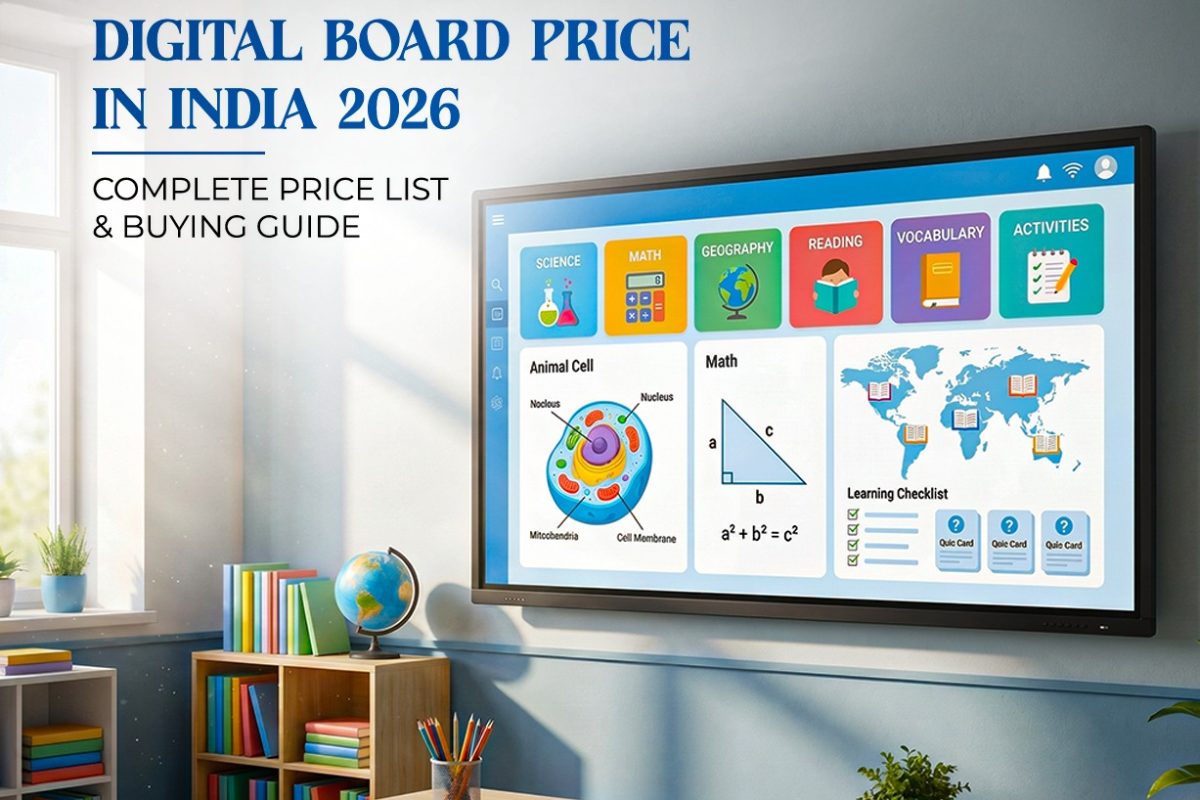
Digital Board Price in India 2026 Complete Price List & Buying Guide

Digital Board Price in India 2026: Complete Price List & Buying Guide

If you are planning to upgrade a classroom, office, training centre, or retail space, understanding the current digital board price in India is essential. In 2026, digital boards are available in many sizes and price ranges, from budget entry-level displays to premium interactive panels with advanced teaching and collaboration tools.

Today, schools are searching for digital board for teaching price, businesses are comparing smart panel board solutions, and institutions want the best value without overspending. The good news is that there are more options than ever before.

A modern digital board can replace projectors, whiteboards, and separate conferencing systems by combining everything into one touchscreen display. In this guide, you’ll find the latest price ranges, size-wise breakdown, hidden costs, top value picks, and how to choose the right board for your needs.

Digital Board Price List 2026

The average digital board price in India depends on screen size, brand, touch technology, Android/Windows support, and software bundle.

Recent market data shows interactive boards in India ranging from around ₹63,000 for entry-level models to ₹7,00,000+ for very large premium panels.

Quick Price Snapshot (India 2026)

Board TypeApprox Price Range
Entry-Level Digital Boards₹50,000 – ₹90,000
Mid-Range Classroom Boards₹90,000 – ₹1.6 lakh
Premium Teaching Boards₹1.6 lakh – ₹3 lakh
Large 98-inch Enterprise Panels₹4 lakh – ₹7 lakh+

Price Breakdown by Size (32″ to 98″)

Size is the biggest factor affecting smart digital board price. Larger displays cost more due to panel manufacturing, brightness, touch layers, and hardware performance.

Screen SizeBest Use CaseEstimated Price
32″ – 43″Reception, shop display₹18,000 – ₹45,000
50″ – 55″Tuition room, small office₹50,000 – ₹90,000
65″Standard classroom₹90,000 – ₹1.5 lakh
75″Large classroom₹1.25 lakh – ₹2.4 lakh
86″Colleges, boardrooms₹1.8 lakh – ₹3.6 lakh
98″Auditoriums, premium campuses₹4.2 lakh – ₹7 lakh+

Recent published Indian market guides show 75-inch panels as one of the most popular categories for classrooms and meeting spaces.

Digital Board for School: Budget Options

Schools often need multiple panels, so budget matters. The best strategy is choosing reliable mid-range boards rather than only the cheapest model.

Best Budget Options

BIG VUE Pluss 65 Inch Interactive Flat Panel

₹72,450

BIG VUE Pluss 55 Inch Interactive Flat Panel

₹75,900

VUTEC 75 Inch Smart Interactive Flat Panel

₹1,15,700

AIWaft Turbo AI 65 Inch Interactive Flat Panel

₹1,08,000

What Schools Should Prioritize

  • Strong touch response
  • 4K clarity
  • Built-in whiteboard tools
  • Easy teacher training
  • Warranty support
  • Low maintenance cost

Ideal Budget by Institution

Institution TypeRecommended Budget
Tuition Centre₹55,000 – ₹90,000
Small School₹90,000 – ₹1.25 lakh
Established School₹1.25 lakh – ₹2 lakh
Multi-Class CampusBulk pricing preferred

Digital Board for Corporate: Premium Options

Corporate buyers often need smoother presentations, wireless sharing, premium design, and conferencing support.

MAXHub U3 Interactive Flat Panel

₹1,85,000

MAXHUB E2 Series 86

₹2,55,000

BenQ Board Essential 75 Inch

₹2,29,783.73

Samsung WAC Series 86 Inch

₹99,990

Why Businesses Spend More

  • Better microphones/cameras
  • Faster processors
  • Multiple device sharing
  • Enterprise security
  • Better audio
  • Premium finish

Recent launches like ViewSonic’s AI-powered ViewBoard series in India show growing demand from both education and enterprise segments.

Product Comparison Table

FeatureBIG VUE 65 InchMAXHub U3Studynlearn 75 InchSamsung WAC 86 Inch
Approx Price₹72,450₹1,85,000₹1,33,669₹99,990
Best ForSchoolsCorporateLarge ClassesBoardrooms
Size65″Varies75″86″
Budget LevelLowPremiumMidMid/Premium
Touch/InteractiveYesYesYesYes

Hidden Costs to Watch Out For

Many buyers only compare the sticker price. But real ownership costs include more than the board itself.

1. Installation Charges

Wall mounting, wiring, brackets, labor.

Typical cost: ₹2,000 – ₹8,000

2. Stand / Trolley

Needed if you want portability.

Typical cost: ₹10,000 – ₹35,000

3. OPS Windows PC Module

Useful if you need full desktop Windows.

Typical cost: ₹15,000 – ₹40,000

4. Warranty Extension

Recommended for institutions.

Typical cost: ₹5,000 – ₹20,000

5. Training & Software

Some brands charge extra for premium content or onboarding.

Published market guides also note installation, accessories, and warranty as common add-on costs.

Best Value Digital Boards Under ₹50,000

If your budget is tight, true interactive classroom boards under ₹50,000 are limited. In this range, you usually get smaller touch displays or non-interactive signage screens.

Good Uses Under ₹50,000

  • Shop menu display
  • Reception screen
  • Coaching room with external PC
  • Retail signage
  • Small meeting room display

Better Strategy

If classroom teaching is the goal, stretching budget to ₹60,000-₹75,000 often unlocks much better interactive options.

Where to Buy Digital Boards in India

1. Authorized Brand Dealers

Best for warranty and installation.

2. B2B AV Integrators

Ideal for schools, offices, bulk purchases.

3. E-commerce Platforms

Useful for comparing prices on smaller models.

4. Regional Distributors

Can offer faster support locally.

Buying Tip

Always ask:

  • GST invoice included?
  • Installation included?
  • Warranty on-site or carry-in?
  • Demo available?
  • Replacement timeline?

How to Choose the Right Digital Board

For Teaching Use

Choose based on classroom size.

  • Up to 25 students → 55″ to 65″
  • 25-45 students → 75″
  • 45+ students → 86″

For Office Use

Focus on:

  • Wireless sharing
  • Camera support
  • Audio quality
  • Multi-device connection

For Shops

Choose based on:

  • Brightness
  • Slim design
  • Media loop playback
  • Vertical mount support

Is a Smart Board Worth the Price in 2026?

Yes; especially if you currently use projector + whiteboard combinations.

A digital board combines:

  • display
  • writing surface
  • speaker
  • PC system
  • casting device
  • teaching software

That often reduces long-term maintenance and improves daily usability.

FAQs

What is the average digital board price in India?

Most classroom buyers spend between ₹90,000 and ₹2 lakh depending on size and brand.

What is digital board for teaching price in India?

Teaching-focused boards usually start around ₹60,000 and can go above ₹3 lakh for premium large sizes.

What is smart board for teaching price for schools?

Most schools choose boards in the ₹1 lakh to ₹2 lakh range.

Which size gives the best value?

65-inch and 75-inch models usually offer the best balance of cost and visibility.

Is digital whiteboard price different from smart board price?

Usually these terms overlap in India. Final price depends more on specs than naming.

Can I get a good smart panel board under ₹1 lakh?

Yes, especially 55-inch or selected 65-inch models.

Is installation free?

Sometimes bundled for institutional purchases, but not always.

How long does a digital board last?

Typically 5-8 years or longer with proper maintenance.

Final Verdict

Choosing the right digital board price in 2026 is not only about finding the cheapest option, it is about selecting the best long-term value for your classroom, office, or institution. A digital board is an investment that directly affects daily productivity, presentation quality, teaching efficiency, and user experience. That is why buyers should compare features, warranty, support, and usability along with the base price.

For schools and coaching centres, a 65-inch or 75-inch interactive panel usually offers the best balance of visibility, functionality, and affordability. These sizes are ideal for standard classrooms and are among the most popular choices in India. Market pricing guides in 2026 continue to place these categories in the sweet spot for institutions that want modern teaching tools without overspending.

If your budget is limited, entry-level 55-inch boards can work well for tuition rooms, smaller classrooms, or training spaces. On the other hand, colleges, corporate boardrooms, and seminar halls may benefit more from 86-inch or 98-inch premium panels that offer stronger audio, larger visibility range, and better collaboration features.

It is also important to calculate the total ownership cost, not just the sticker price. Installation, trolley stand, OPS Windows module, extended warranty, teacher training, and software subscriptions can increase the final spend. In many cases, paying slightly more upfront for a trusted brand with better service support saves money over time through fewer repairs and smoother usage.

For most Indian buyers in 2026:

  • Best budget value: 55-inch to 65-inch boards
  • Best classroom value: 65-inch or 75-inch interactive panels
  • Best premium option: 86-inch and above
  • Best bulk-buy strategy: Institutional pricing with installation and training included

Ultimately, the best digital board price is the one that matches your actual needs, room size, and usage goals. Buy based on performance, reliability, and support, not only on discounts. A well-chosen digital board can serve efficiently for years and deliver far better value than repeated spending on projectors, whiteboards, and outdated classroom setups.

Digital Notice Boards and Digital Display Boards

Transforming Communication with Digital Notice Boards and Digital Display Boards

In today’s fast-paced, digitally-driven world, businesses, educational institutions, and public organizations are increasingly adopting digital notice boards and digital display boards to communicate with their audiences more effectively. These digital solutions are revolutionizing the way information is shared, making it more dynamic, interactive, and efficient. Whether for internal communication, announcements, or public displays, these digital tools offer a modern alternative to traditional paper-based methods, creating a more engaging and streamlined experience for everyone involved.

What Are Digital Notice Boards and Digital Display Boards?

Digital notice boards are electronic screens designed to display important information such as announcements, event schedules, news updates, and emergency alerts. These boards replace traditional cork boards, whiteboards, and posters, offering the advantage of real-time updates, multimedia content, and remote management.

Digital display boards serve a similar purpose but are often more expensive, used in settings like public spaces, transportation hubs, and large corporate offices. These boards can display a variety of content including advertisements, news feeds, interactive maps, and much more. Digital display boards are typically larger and more versatile than digital notice boards, providing greater flexibility in terms of the content and format they can present.

Why Digital Notice Boards and Digital Display Boards Are Essential

  1. Real-Time Updates and Flexibility
    One of the major advantages of digital notice boards and digital display boards is the ability to update content instantly. In traditional notice boards, updating content can be time-consuming and requires physical changes. With digital solutions, content can be updated remotely and in real time, allowing organizations to communicate new information, schedule changes, or urgent announcements instantly.
  2. Increased Engagement
    Digital boards are visually appealing and can display dynamic content such as videos, images, and animations. This dynamic aspect makes it more likely that people will engage with the content displayed. For example, a digital display board in a shopping mall could showcase promotional videos, store openings, and seasonal sales in a visually engaging way, drawing in more attention from passersby.
  1. Environmentally Friendly
    By eliminating the need for paper and physical materials, digital notice boards are an environmentally friendly alternative. Businesses and institutions no longer need to print new flyers, posters, or notices, reducing paper waste and helping organizations move toward a more sustainable future.
  2. Improved Communication
    Digital notice boards and display boards help organizations communicate more effectively. Whether it’s displaying emergency alerts, internal communications, event schedules, or customer-facing promotions, these digital solutions ensure that information is delivered clearly, consistently, and in a timely manner. Additionally, digital display boards can display multiple messages at once, ensuring that different groups of people receive the information most relevant to them.
  3. Cost-Effective Over Time
    While the initial investment in digital signage technology might be higher than traditional methods, the long-term cost savings are significant. Businesses save on the costs of printing, shipping, and labor associated with traditional notice boards. With digital boards, content updates can be done quickly and remotely, without needing to print new materials or manually post information.

Case Study: A School’s Use of Digital Notice Boards to Improve Communication

A high school in New York City decided to replace its traditional bulletin boards with digital notice boards in order to enhance communication with students, faculty, and staff. The school wanted to provide real-time updates on events, schedules, and important announcements, as well as reduce the clutter of paper notices that often went unnoticed.

The school installed digital notice boards in key areas: the main hallway, cafeteria, and near classrooms. These boards were connected to a central content management system that allowed administrators to update the boards with announcements, event reminders, and emergency alerts in real-time. The system also allowed for multimedia content such as videos of school events, photos from extracurricular activities, and motivational messages.

The result was a significant improvement in student engagement and information dissemination. Students no longer missed important announcements or deadlines, and faculty and staff could easily share updates with the entire school community. The digital boards also provided a more modern and visually appealing way of communicating, which was well-received by students and staff alike. Additionally, the school saved time and money by eliminating the need to print and distribute paper notices.

FAQs About Digital Notice Boards and Digital Display Boards

Q1: How are digital notice boards different from traditional notice boards?

A1: Traditional notice boards require physical updates, such as pinning papers or flyers to a board. Digital notice boards, on the other hand, use screens to display content that can be updated remotely and instantly. This allows for more dynamic, engaging, and up-to-date information, without the need for paper or physical labor.

Q2: Can digital notice boards and display boards be used outdoors?

A2: Yes, digital notice boards and digital display boards can be used outdoors, but it’s important to choose screens designed for outdoor environments. These screens are built to withstand weather conditions such as rain, heat, and sunlight. They are often enclosed in weather-resistant casings and have high brightness levels to ensure visibility in direct sunlight.

Q3: How do I update the content on digital display boards?

A3: Digital notice boards and digital display boards can be updated via a content management system (CMS). This system allows you to control and schedule content remotely, ensuring that updates are timely and consistent across multiple boards. Many CMS platforms offer user-friendly interfaces that can be accessed from any internet-enabled device.

Q4: Are digital notice boards energy-efficient?

A4: Yes, digital notice boards are generally energy-efficient, especially when using modern LED screens. These displays consume less power compared to traditional lighting-based signage, and their long lifespan means that they require fewer replacements.

Q5: Are digital display boards suitable for all types of businesses?

A5: Yes, digital display boards are versatile and can be used in various industries, including retail, education, healthcare, hospitality, and corporate offices. They are particularly useful in high-traffic areas where clear, up-to-date communication is essential, such as shopping malls, airports, and hospitals.

Conclusion

With benefits like real-time content updates, reduced paper waste, and increased engagement, these digital solutions are quickly becoming an essential tool for organizations of all sizes. Whether you’re a school, business, or public institution, adopting digital notice boards and digital display boards can improve communication, save time, and create a more modern and professional image.

The Ultimate Guide to Digital Signage Displays

The Ultimate Guide to Digital Signage Displays: Transforming Communication in the Modern Age

In today’s fast-paced digital world, the need for effective communication has never been more crucial. Enter digital signage displays—dynamic tools that revolutionize how businesses and organizations convey messages. Whether it’s a vibrant digital screen display in a retail store or a sleek digital signage TV in a corporate office, these technologies are transforming communication landscapes. In this blog, we will explore the myriad benefits of digital signage displays, their applications, and why investing in digital signage screens can elevate your brand.

What is Digital Signage?

Digital signage refers to electronic displays that showcase multimedia content, including images, videos, and animations. Unlike traditional static signs, digital signage displays allow for real-time updates and engaging visual content, making them an essential tool for effective communication. Digital signage can be implemented in various formats, including digital screen displays, digital signage TVs, and more.

The Components of Digital Signage

  1. Digital Screen Display: The backbone of any digital signage solution, these displays come in various sizes and resolutions, offering versatility for different environments.
  2. Content Management System (CMS): This software allows users to create, schedule, and manage the content that appears on digital screens.
  3. Media Players: These devices are responsible for rendering content on the digital signage displays.
  4. Networking Infrastructure: A robust network ensures seamless content updates and real-time communication across multiple screens.

Benefits of Digital Signage Displays

1. Enhanced Engagement

Digital signage screens captivate audiences through dynamic content. By incorporating eye-catching visuals and animations, businesses can grab the attention of passersby and keep them engaged. Studies show that digital displays can increase viewer interaction by up to 400% compared to static signage.

2. Real-Time Updates

One of the most significant advantages of digital signage displays is the ability to update content in real-time. Whether you want to announce a flash sale, share news updates, or display live social media feeds, digital signage TVs and screens allow for immediate changes, ensuring that your audience always receives the most current information.

3. Cost-Effective Marketing

While the initial investment in digital signage may seem high, the long-term benefits often outweigh the costs. Digital screen displays eliminate the need for printed materials, reducing waste and printing expenses. Additionally, the ability to update content easily means businesses can adapt their marketing strategies without incurring additional costs.

4. Increased Brand Awareness

Using digital signage to promote products or services can significantly enhance brand visibility. The vibrant colours and moving images of digital signage screens create a memorable experience for viewers, leading to increased brand recall. This is particularly beneficial in crowded markets where standing out is essential.

5. Versatile Applications

Digital signage displays are incredibly versatile and can be used in various settings. From retail environments to corporate offices, educational institutions, and healthcare facilities, digital signage can be tailored to meet specific needs:

  • Retail: Digital signage screens can showcase promotions, new arrivals, and engaging product displays, driving foot traffic and increasing sales.
  • Corporate: In office settings, digital signage TVs can communicate internal announcements, display meeting schedules, or even serve as a digital directory.
  • Education: Schools and universities can use digital screen displays to convey important information to students and faculty, such as event schedules and emergency alerts.
  • Healthcare: Hospitals and clinics can utilize digital signage to provide patient information, wayfinding assistance, and health education materials.

Choosing the Right Digital Signage Display

When selecting a digital signage display, several factors should be considered to ensure you make the best choice for your needs:

1. Display Size and Resolution

The size and resolution of your digital screen display will impact its effectiveness. Larger screens with higher resolutions are ideal for crowded areas where visibility is essential. Consider the viewing distance and the type of content you will be displaying when making your selection.

2. Brightness and Durability

For outdoor environments, selecting a digital signage screen with high brightness is crucial to ensure visibility in sunlight. Additionally, durability is vital; choose displays that are weather-resistant and designed to withstand various environmental conditions.

3. Content Management System (CMS)

A user-friendly CMS is essential for effective digital signage management. Look for a system that allows for easy content creation, scheduling, and updates, enabling you to make the most of your digital signage displays.

4. Integration with Existing Systems

Consider how your digital signage will integrate with existing systems, such as your marketing platform or social media channels. Seamless integration can enhance functionality and streamline your operations.

Product Banner  (1)

As technology continues to evolve, the landscape of digital signage displays is also changing. Here are some trends to watch:

1. Artificial Intelligence (AI)

AI is set to revolutionize digital signage by enabling personalized content delivery based on audience demographics and behaviour. This level of customization can significantly enhance viewer engagement.

2. Interactive Displays

Interactive digital signage screens allow users to engage directly with the content, creating an immersive experience. This technology is particularly effective in retail environments, where customers can explore products in depth.

3. Cloud-Based Solutions

Cloud technology is making it easier to manage digital signage displays remotely. This trend allows businesses to update content and monitor performance from anywhere, making it a more efficient solution.

4. Integration with Augmented Reality (AR)

The integration of AR with digital signage can create unique experiences for customers. For example, users can point their smartphones at a digital sign to see additional information or interactive content.

Conclusion

Digital signage displays, including digital screen displays, digital signage TVs, and interactive digital screens, have transformed how businesses communicate with their audiences. With enhanced engagement, real-time updates, and cost-effective marketing solutions, investing in digital signage is no longer just an option; it’s a necessity for organisations looking to thrive in today’s competitive landscape.

As you consider integrating digital signage into your strategy, remember to choose the right components, stay informed about future trends, and leverage the power of dynamic visual content. Embrace the digital revolution and watch your communication efforts soar!

Elevating Communication The Power of Digital Signage Software and Displays (1)-min

Elevating Communication: The Power of Digital Signage Software and Displays

In today’s fast-paced, technology-driven world, effective communication is more critical than ever. Businesses, organizations, and institutions are continually seeking innovative ways to convey messages and engage with their audiences. Enter digital signage software and digital signage displays—game-changing tools that transform how information is shared. This blog delves into the benefits, functionalities, and future of digital signage, showcasing why investing in these technologies is essential for modern communication strategies.

Understanding Digital Signage

What is Digital Signage?

Digital signage refers to electronic displays used to showcase content, information, and advertisements. These displays can be found in various environments, including retail stores, corporate offices, transportation hubs, educational institutions, and healthcare facilities. Digital signage solutions typically consist of screens, digital signage software, and content management systems that allow users to create, schedule, and manage content effortlessly.

The Role of Digital Signage Software

Digital signage software acts as the backbone of digital signage systems. It enables users to design content, schedule displays, and manage multiple screens from a centralized platform. This software varies in complexity and features, catering to different business needs, from simple content displays to advanced interactive experiences.

Benefits of Digital Signage

1. Enhanced Communication

Digital signage allows for dynamic communication, delivering timely information to target audiences. Whether it’s promoting sales, sharing news, or providing wayfinding assistance, digital signage can convey messages more effectively than traditional static signs.

2. Increased Engagement

Interactive digital signage displays can engage audiences in ways that static displays cannot. Touchscreen technology allows users to interact with content, leading to higher retention rates and a more memorable experience.

3. Cost-Effectiveness

While the initial investment in digital signage software and displays may be higher than traditional signage, the long-term savings are significant. Digital signage eliminates the need for printing and replacing physical signs, allowing businesses to update content instantly and without additional costs.

4. Flexibility and Scalability

Digital signage systems can be easily scaled to meet the needs of a growing business. Whether you want to add more displays or expand content offerings, digital signage solutions can adapt quickly. This flexibility is especially beneficial for businesses with multiple locations, as they can manage all displays from a single platform.

5. Real-Time Updates

With digital signage software, businesses can update their content in real-time. This capability is particularly useful for industries like retail, where promotions change frequently. Digital signage allows businesses to react promptly to market trends, customer behaviours, and urgent messages.

Key Features of Digital Signage Software

1. User-Friendly Interface

Modern digital signage software typically offers an intuitive, user-friendly interface that allows users to create and manage content without extensive technical knowledge. Drag-and-drop functionality and customizable templates streamline the design process, making it accessible for everyone.

2. Content Scheduling

One of the most valuable features of digital signage software is its ability to schedule content for specific times and dates. This feature allows businesses to plan promotional campaigns in advance, ensuring that the right messages reach the audience at the right time.

3. Remote Management

Many digital signage solutions provide remote management capabilities, enabling users to control displays from anywhere with internet access. This feature is particularly beneficial for businesses with multiple locations, as it allows for centralized management of all digital signage displays.

4. Interactive Capabilities

Interactive digital signage displays take audience engagement to the next level. With touchscreens, users can navigate through content, access additional information, and even participate in surveys or contests, enhancing the overall experience.

5. Analytics and Reporting

Understanding the effectiveness of digital signage campaigns is crucial. Many digital signage software solutions come with analytics tools that track viewer engagement, content performance, and audience demographics. This data helps businesses refine their strategies for better results.

Choosing the Right Digital Signage Solution

When selecting digital signage software and displays, several factors should be considered:

1. Business Needs

Evaluate what you want to achieve with digital signage. Are you looking to promote products, provide information, or engage customers? Understanding your objectives will help you choose the right solution.

2. Scalability

Choose a digital signage solution that can grow with your business. If you plan to expand or add more displays in the future, ensure the software can accommodate these changes without significant upgrades.

3. Integration Capabilities

Look for software that integrates well with your existing systems, such as customer relationship management (CRM) tools, social media platforms, and content management systems. Integration can enhance functionality and streamline processes.

4. Support and Training

Consider the level of support and training provided by the software vendor. Comprehensive training resources and responsive customer support are essential for ensuring successful implementation and ongoing usage.

5. Cost

While digital signage can save money in the long run, it’s essential to consider the initial investment. Evaluate the total cost of ownership, including hardware, software licenses, and any additional fees for content creation or updates.

Applications of Digital Signage

1. Retail

Retail businesses use digital signage to showcase promotions, highlight new products, and provide information about store events. Interactive displays can also enhance the shopping experience by guiding customers through the store.

2. Corporate Communication

In corporate environments, digital signage is an effective tool for internal communication. Companies can display important announcements, share employee achievements, and provide updates on projects and events.

3. Education

Educational institutions use digital signage to share announcements, display schedules, and provide wayfinding assistance. Interactive displays can enhance learning experiences by engaging students with educational content.

4. Transportation

Airports, train stations, and bus terminals utilize digital signage to provide real-time information about arrivals and departures. These displays improve passenger experience and enhance operational efficiency.

5. Healthcare

Hospitals and clinics use digital signage to provide important information to patients and visitors. Displays can share wait times, health tips, and wayfinding assistance, improving overall patient experience.

Conclusion

In an era where communication methods are rapidly evolving, digital signage software and displays stand out as powerful tools for engaging audiences and enhancing information dissemination. By investing in these technologies, businesses can transform their communication strategies, leading to increased engagement, improved customer experiences, and a stronger brand presence.

As digital signage continues to advance, staying informed about the latest trends and technologies is essential for businesses looking to leverage its full potential. Whether you’re a retailer, educator, corporate entity, or healthcare provider, digital signage offers endless possibilities for enhancing communication and connecting with your audience.

Embrace the future of communication with digital signage software and displays, and watch your organization thrive in a visually driven world!

The Evolution and Impact of LED Panels for Advertising and Digital Display

The Evolution and Impact of LED Panels for Advertising and Digital Display

Introduction

In today’s fast-paced world, businesses constantly seek innovative ways to capture consumer attention. One of the most effective tools in modern advertising and information dissemination is the LED panel. These digital displays have transformed traditional advertising methods, offering dynamic, eye-catching, and versatile solutions. This blog delves into the evolution, benefits, applications, and future trends of LED panels for advertising and digital display.

The Evolution of LED Panels

Early Beginnings

The journey of LED (Light Emitting Diode) technology began in the early 1960s. Initially, LEDs were used as indicator lights in electronic devices due to their low brightness and limited color options. However, advancements in technology over the decades have significantly improved their efficiency, brightness, and color range.

Rise of LED Displays

By the late 1990s and early 2000s, LEDs had progressed enough to be used in large-scale displays. The development of high-brightness LEDs enabled their use in outdoor environments, leading to the creation of LED panels for advertising and information display. The ability to produce vivid colors and withstand various weather conditions made LEDs an ideal choice for digital signage.

Technological Advancements

The past decade has seen remarkable advancements in LED technology. Improvements in pixel density, color accuracy, and energy efficiency have made LED panels more affordable and accessible. The introduction of SMD (Surface-Mounted Device) technology allowed for smaller, more efficient LEDs, enhancing display resolution and brightness.

Benefits of LED Panels for Advertising

High Visibility

One of the most significant advantages of LED panels is their high visibility. LED displays are incredibly bright and can be seen clearly even in direct sunlight. This ensures that advertisements are visible to a large audience at all times, making them highly effective for outdoor advertising.

Dynamic Content

Unlike static billboards, LED panels can display dynamic content. This means that advertisements can include animations, videos, and changing images. Dynamic content is more engaging and can capture the attention of viewers more effectively than traditional static advertisements.

Energy Efficiency

LED panels are known for their energy efficiency. They consume significantly less power compared to other types of displays, such as LCD or plasma screens. This not only reduces operating costs but also makes LED panels a more environmentally friendly option.

Long Lifespan

LEDs have a long lifespan, often lasting up to 100,000 hours or more. This longevity reduces maintenance costs and ensures that the displays remain operational for extended periods without the need for frequent replacements.

Versatility

LED panels are highly versatile and can be used in various applications. They can be installed in different sizes and shapes, making them suitable for a wide range of advertising needs, from small indoor displays to large outdoor billboards.

Applications of LED Panels in Advertising

Outdoor Advertising

Outdoor advertising is one of the most common applications of LED panels. Large LED billboards can be seen in city centers, along highways, and in other high-traffic areas. These displays are used to promote products, events, and services, capturing the attention of pedestrians and motorists alike.

Indoor Advertising

LED panels are also used extensively in indoor environments. Shopping malls, airports, train stations, and retail stores often use LED displays to advertise products, provide information, and enhance the overall customer experience. Indoor LED panels are typically smaller but offer high resolution and vibrant colors.

Digital Signage

Digital signage refers to the use of digital displays to convey information. LED panels are a popular choice for digital signage due to their brightness and versatility. They are used in various settings, including corporate offices, schools, hospitals, and public spaces, to display announcements, news, and other important information.

Event and Entertainment Venues

LED panels play a crucial role in events and entertainment venues. Concerts, sports events, and theater productions often use large LED screens to enhance the audience experience. These displays can show live footage, replays, and visual effects, creating an immersive environment for attendees.

Increased Interactivity

The future of LED panels lies in increased interactivity. Touchscreen LED panels are already being used in some applications, allowing users to interact directly with the display. This trend is expected to grow, with more interactive features being integrated into LED panels for advertising.

Higher Resolution and HDR

As technology continues to advance, we can expect LED panels to offer even higher resolutions and better color accuracy. High Dynamic Range (HDR) technology will become more prevalent, providing more vibrant and lifelike images. This will enhance the visual appeal of LED advertisements, making them even more effective.

Flexible and Transparent Displays

Flexible LED panels are an exciting development in the field. These panels can be bent or curved to fit various shapes and surfaces, allowing for more creative and unique installations. Transparent LED displays are also gaining traction, enabling advertisers to create eye-catching displays that blend seamlessly with their surroundings.

Integration with AI and IoT

The integration of LED panels with artificial intelligence (AI) and the Internet of Things (IoT) is set to revolutionize the advertising industry. AI can analyze data to optimize content delivery, ensuring that the right message reaches the right audience at the right time. IoT connectivity allows for remote monitoring and control of LED displays, improving efficiency and reducing maintenance costs.

Sustainable Solutions

As environmental concerns continue to grow, there is a push for more sustainable advertising solutions. LED panels are already more energy-efficient than other display technologies, but future advancements will focus on further reducing energy consumption and using eco-friendly materials. This will make LED advertising even more sustainable and attractive to businesses and consumers alike.

Challenges and Considerations

Initial Cost

While LED panels offer numerous benefits, the initial cost can be high. Businesses need to consider the return on investment when deciding to implement LED advertising. However, the long lifespan and energy efficiency of LED panels often offset the initial expense over time.

Content Creation

Creating engaging and effective content for LED displays requires creativity and expertise. Businesses may need to invest in professional content creation services to ensure that their advertisements stand out and capture the audience’s attention.

Technical Maintenance

LED panels require regular maintenance to ensure optimal performance. This includes cleaning, software updates, and occasional repairs. Businesses need to have a maintenance plan in place to keep their LED displays in top condition.

Conclusion

LED panels have revolutionized the advertising industry, offering dynamic, high-visibility, and versatile solutions for businesses. From outdoor billboards to indoor displays and digital signage, LED panels have proven to be an effective tool for capturing consumer attention and conveying information. As technology continues to advance, the future of LED advertising looks even brighter, with increased interactivity, higher resolutions, and sustainable solutions on the horizon. By embracing these innovations, businesses can stay ahead of the competition and create memorable advertising experiences for their audiences.

The Evolution and Impact of LED Display Boards for Advertising and Digital Display

How Advertising LED Display Boards Are Transforming Digital Advertising

In an era where technology evolves at a breakneck pace, businesses and advertisers are constantly on the lookout for innovative methods to capture attention and convey messages. One such transformative technology that has significantly reshaped the landscape of advertising and digital displays is the LED display board. These vibrant, versatile, and energy-efficient displays have become a cornerstone of modern advertising, offering a myriad of benefits over traditional methods. This blog delves into the evolution, advantages, applications, and future trends of LED display boards for advertising and digital display, providing a comprehensive overview of this dynamic technology.

The Evolution of LED Display Boards

The journey of LED (Light Emitting Diode) technology began in the early 1960s when the first visible-spectrum LED was created by Nick Holonyak Jr. Over the years, LEDs have undergone substantial advancements, transitioning from simple indicator lights to sophisticated display systems capable of rendering high-resolution images and videos.

The significant milestones in the evolution of LED display boards include:

  1. 1970s – 1980s: Early Applications:
  • Initial uses of LEDs were limited to simple, monochromatic displays such as calculator screens and digital clocks. These early applications demonstrated the potential of LEDs but were constrained by low brightness and limited color options.
  1. 1990s: Technological Breakthroughs:
  • Advancements in semiconductor materials led to the development of high-brightness LEDs. This period saw the introduction of red, green, and blue LEDs, which could be combined to produce full-color displays. LED technology began to be adopted for outdoor signage and scoreboards.
  1. 2000s: Expansion and Innovation:
  • The 2000s marked a significant expansion in the use of LED display boards. Improvements in resolution, color accuracy, and energy efficiency made LEDs a viable option for large-scale advertising displays, including billboards and stadium screens.
  1. 2010s: The Digital Revolution:
  • The integration of digital technology with LED displays revolutionized the advertising industry. High-definition (HD) and ultra-high-definition (UHD) LED screens became common, offering unparalleled image quality. Digital signage systems allowed for dynamic content management, enabling real-time updates and interactive displays.
  1. 2020s: Smart and Sustainable Solutions:
  • Today, LED display boards are not only brighter and more colorful but also smarter. Integration with IoT (Internet of Things) technology allows for remote monitoring and control. Sustainability has also become a focus, with energy-efficient LEDs reducing environmental impact.

Advantages of LED Display Boards for Advertising

LED display boards for advertising offer several advantages over traditional advertising mediums. This makes them an attractive choice for businesses looking to make a lasting impression.

  1. High Visibility and Brightness:
  • LEDs are known for their exceptional brightness, which ensures that advertisements remain visible even in direct sunlight. This high visibility is crucial for outdoor advertising, where ambient light conditions can vary significantly.
  1. Dynamic and Engaging Content:
  • Unlike static billboards, LED displays can showcase dynamic content, including animations, videos, and interactive features. This capability allows advertisers to create more engaging and memorable experiences for their audience.
  1. Energy Efficiency:
  • LEDs consume significantly less power compared to traditional incandescent or fluorescent lighting. This energy efficiency translates to lower operating costs and a reduced carbon footprint.
  1. Long Lifespan:
  • LED display boards have a long operational life, often exceeding 50,000 hours of use. This longevity reduces maintenance costs and ensures consistent performance over time.
  1. Flexibility and Customization:
  • LED displays can be customized to fit various shapes and sizes, making them suitable for a wide range of applications, from small indoor screens to massive outdoor billboards. Additionally, content can be easily updated and tailored to specific audiences or events.
  1. Remote Control and Management:
  • Modern LED display systems can be managed remotely, allowing for real-time updates and adjustments. This feature is particularly useful for advertisers who need to change content frequently or respond to real-time events.
  1. Enhanced Visual Quality:
  • With advancements in pixel density and color calibration, LED displays offer superior visual quality, with sharp images and vibrant colors that capture viewers’ attention.

Usage of LED Display Boards for Advertising

The versatility of LED display boards has led to their adoption across a diverse range of advertising applications. Here are some of the most prominent uses:

  1. Outdoor Billboards:
  • LED billboards are a common sight along highways and in urban areas. Their ability to display high-resolution images and videos makes them ideal for capturing the attention of motorists and pedestrians alike.
  1. Retail Signage:
  • Retailers use LED displays to showcase promotions, new products, and important announcements. These displays can be placed in storefront windows, inside stores, or at checkout counters to influence purchasing decisions.
  1. Transportation Hubs:
  • Airports, train stations, and bus terminals utilize LED screens for advertising as well as providing information. These displays can inform travelers about schedules, delays, and other important updates while also serving as a platform for commercial advertisements.
  1. Sports Venues:
  • Stadiums and arenas are equipped with large LED screens that display live game footage, replays, advertisements, and interactive content. These displays enhance the spectator experience and provide valuable advertising space.
  1. Events and Exhibitions:
  • LED displays are a staple at trade shows, conferences, and other events. They are used for presentations, live demonstrations, and promotional content, helping exhibitors attract and engage visitors.
  1. Corporate Communication:
  • Companies use LED displays for internal communication, displaying important announcements, performance metrics, and motivational content. These displays can be found in lobbies, break rooms, and other common areas.

As technology continues to advance, LED display boards are expected to become even more integral to the advertising landscape. Here are some emerging trends to watch:

  1. MicroLED and MiniLED:
  • MicroLED and MiniLED technologies represent the next evolution in LED displays, offering higher brightness, better color accuracy, and improved energy efficiency. These technologies are expected to become more prevalent in both consumer and commercial displays.
  1. Smart and Interactive Displays:
  • Advances in AI and IoT are enabling LED displays to become smarter and more interactive. Future displays may feature facial recognition, gesture control, and personalized content, enhancing the viewer’s experience and providing valuable data to advertisers.
  1. Sustainable Solutions:
  • As sustainability becomes a global priority, the LED display industry is focusing on developing eco-friendly solutions. This includes using recyclable materials, reducing power consumption, and implementing energy-efficient technologies.
  1. Enhanced Connectivity:
  • The advent of 5G and other high-speed connectivity solutions will enable LED displays to deliver richer content and real-time updates with minimal latency. This connectivity will support more dynamic and interactive advertising campaigns.

Conclusion

LED display boards have undeniably transformed the advertising industry, offering unmatched visibility, dynamic content capabilities, and energy efficiency. As technology continues to evolve, these displays are set to become even more versatile and impactful, opening up new opportunities for creative and engaging advertising. Businesses that leverage the power of LED display boards will be well-positioned to capture the attention of their audience and stay ahead in the competitive world of advertising.

Revolutionizing Retail The Power of Digital Signage Displays

Revolutionizing Retail: The Power of Digital Signage Displays

In the realm of retail, captivating the attention of customers is paramount. With the ever-evolving landscape of consumer preferences and technological advancements, traditional advertising methods are becoming increasingly obsolete. Enter digital signage displays – a dynamic solution that not only grabs attention but also enhances the overall shopping experience. In this blog, we’ll delve into the transformative potential of retail digital signage. We will also explore how it is reshaping the way businesses engage with their audience.

Understanding Retail Digital Signage

Digital signage refers to the use of electronic displays such as LCD, LED, or projection screens to convey information, advertising, and other messages. Unlike static signage, digital displays offer versatility and interactivity, allowing retailers to deliver targeted content in real-time. From promoting products to providing interactive maps, the possibilities are endless.

Key Benefits of Retail Digital Signage

  1. Enhanced Visual Appeal: Digital signage displays offer vibrant colors, high resolution, and dynamic content, making them more visually appealing than traditional static signs. This enhanced aesthetic appeal can capture the attention of passersby and draw them into the store.
  2. Dynamic Content: One of the most significant advantages of digital signage is its ability to display dynamic content that can be updated and customized easily. Retailers can showcase product promotions, advertisements, and even real-time social media feeds, keeping the content fresh and engaging.
  3. Targeted Messaging: With digital signage, retailers can deliver targeted messages to specific demographics or customer segments. By leveraging data analytics and audience insights, businesses can tailor content to match the interests and preferences of their target audience, increasing the effectiveness of their marketing efforts.
  4. Improved Customer Experience: Digital signage can enhance the overall shopping experience by providing valuable information to customers. Whether it’s interactive product catalogs, self-service kiosks, or wayfinding displays, digital signage can streamline the shopping process and make it more enjoyable for consumers.
  5. Increased Revenue: Studies have shown that digital signage can have a significant impact on sales and revenue. By promoting high-margin products, upselling complementary items, and driving impulse purchases, digital displays can contribute to the bottom line of retail businesses.

Implementing Retail Digital Signage

The successful implementation of retail digital signage requires careful planning and execution. Here are some key considerations:

  1. Content Strategy: Developing a compelling content strategy is essential for maximizing the effectiveness of digital signage. Retailers should create content that is visually engaging, informative, and relevant to their target audience. This may include product videos, promotions, customer testimonials, and interactive experiences.
  2. Hardware Selection: Choosing the right hardware is crucial for ensuring optimal performance and reliability. Factors to consider include display size, resolution, brightness, and durability. Additionally, retailers should invest in user-friendly content management systems (CMS) that allow for easy scheduling, updating, and monitoring of content.
  3. Placement and Layout: Strategic placement of digital signage displays can significantly impact their effectiveness. Retailers should consider factors such as foot traffic patterns, viewing angles, and proximity to products when determining placement. Additionally, attention should be paid to the layout and design of content to ensure maximum visibility and engagement.
  4. Integration with Other Technologies: Retail digital signage can be integrated with other technologies to create seamless omnichannel experiences. For example, retailers can sync digital displays with mobile apps, beacons, and RFID technology to deliver personalized content and promotions based on customer preferences and behavior.

Case Studies

To illustrate the impact of retail digital signage, let’s explore two real-world case studies:

  1. Nike: The global sportswear brand Nike has embraced digital signage as a central component of its retail strategy. In flagship stores around the world, Nike utilizes large-scale video walls, interactive displays, and digital signage kiosks to showcase its latest products, athlete endorsements, and immersive brand experiences. By leveraging digital signage, Nike has been able to create a dynamic and engaging shopping environment that resonates with its target audience.
  2. McDonald’s: Fast-food giant McDonald’s has also embraced digital signage as a means of enhancing the customer experience and driving sales. In addition to menu boards and promotional displays, McDonald’s has deployed digital kiosks in many of its restaurants, allowing customers to place orders and customize their meals with ease. By leveraging digital signage technology, McDonald’s has been able to streamline the ordering process, reduce wait times, and increase upsell opportunities.

Conclusion

In conclusion, retail digital signage represents a paradigm shift in the way businesses communicate with their customers. By harnessing the power of dynamic content, targeted messaging, and interactive experiences, retailers can create immersive shopping environments that drive engagement, enhance the customer experience, and ultimately increase sales. As technology continues to evolve, the possibilities for retail digital signage are limitless, making it an indispensable tool for modern retailers looking to stay ahead of the curve.

By embracing digital signage, retailers can unlock new opportunities for creativity, innovation, and growth in an increasingly competitive market landscape. Whether it’s through captivating visuals, personalized recommendations, or immersive experiences, digital signage has the potential to revolutionize the way we shop and interact with brands. As we look to the future, one thing is clear – the age of retail digital signage has only just begun.

Digital Standee

Elevate Your Brand Presence with Digital Standee Displays

A Modern Twist on Traditional Advertising

In the dynamic landscape of advertising and brand promotion, staying ahead of the curve is essential. Traditional methods of marketing, though effective in their time, often struggle to capture the attention of today’s tech-savvy audience. Enter the digital standee display – a contemporary solution that combines the charm of physical advertising with the versatility of digital technology. Let’s explore how this modern twist on a classic concept is revolutionizing brand visibility.

The Evolution of Digital Standee Displays

Once relegated to static images and printed posters, standee displays have undergone a remarkable transformation. Gone are the days of static content that fails to engage passersby. In its place, digital standees offer vibrant visuals, dynamic content, and interactive experiences that command attention in any setting.

Embracing Digital Dynamism

The allure of digital standees lies in their ability to captivate audiences with dynamic content. From eye-catching animations to high-definition videos, these displays offer a canvas limited only by imagination. Whether showcasing product features, highlighting promotions, or telling compelling brand stories, digital standees provide the flexibility to adapt content on-the-fly, ensuring relevance and resonance with the target audience.

A Frame Digital Standees: Where Style Meets Substance

The aesthetics of advertising play a crucial role in brand perception. A frame digital standees marry form and function seamlessly, elevating the visual appeal of any space they inhabit. With sleek, minimalist designs and customizable frames, these displays effortlessly blend into diverse environments, from bustling trade shows to elegant retail stores. By harmonizing with the surroundings while commanding attention, a frame digital standees make a bold statement about brand identity and sophistication.

Interactive Engagement: Making Every Interaction Count

In the age of interactivity, passive advertising no longer suffices. Digital standees empower brands to foster meaningful engagements with their audience. Touchscreen capabilities invite users to explore product features, access exclusive content, or participate in immersive experiences. By transforming spectators into participants, digital standees forge deeper connections and leave a lasting impression long after the initial interaction.

The Power of Data-driven Insights

One of the most significant advantages of digital standees lies in their ability to gather invaluable data insights. Built-in analytics tools track metrics such as foot traffic, dwell time, and user interactions, providing brands with actionable insights into consumer behavior. Armed with this data, businesses can refine their marketing strategies, optimize content performance, and drive tangible ROI with precision and efficiency.

Eco-friendly and Cost-effective Solutions

Beyond their technological prowess, digital standees offer practical benefits that resonate with environmentally-conscious consumers and budget-conscious businesses alike. By eliminating the need for printed materials and frequent replacements, digital displays reduce waste and contribute to sustainable practices. Moreover, their longevity and versatility translate to long-term cost savings, making them a sound investment for businesses of all sizes.

Conclusion

In an era defined by digital innovation and evolving consumer preferences, traditional advertising methods are giving way to more dynamic and immersive experiences. Digital display represent the vanguard of this transformation, seamlessly blending the tangible appeal of physical displays with the limitless possibilities of digital technology. With their ability to captivate audiences, foster engagement, and deliver measurable results, digital standees offer a modern twist on traditional advertising that is as impactful as it is innovative. Embrace the future of brand promotion with digital standee displays and elevate your brand presence to new heights.

Evolution of LED Digital Display Boards and Outdoor Advertising Management Software

Evolution of LED Digital Display Boards and Outdoor Advertising Management Software

In the realm of advertising, staying relevant and capturing audience attention is paramount. Traditional advertising methods are evolving to embrace digital solutions, with LED digital display boards and outdoor advertising management software leading the charge. This blog will delve into the significance of LED digital display boards in outdoor advertising, explore the capabilities of outdoor advertising management software, and highlight their combined impact on the advertising landscape.

The Emergence of LED Digital Display Boards in Outdoor Advertising

LED digital display boards have revolutionized outdoor advertising, offering dynamic and captivating ways to engage with audiences. Unlike static billboards, LED displays allow for vibrant, high-resolution content that can be updated and customized in real-time. This flexibility enables advertisers to deliver targeted messages, promotions, and announcements with precision and impact.

One of the key advantages of LED digital display boards is their ability to attract attention, even in crowded outdoor environments. The bright, vivid displays stand out against the backdrop of urban landscapes, highways, and public spaces, ensuring that advertisements capture the gaze of passersby and motorists. This visibility enhances brand awareness and recall, making LED digital display boards a valuable asset for advertisers looking to make a lasting impression.

Moreover, LED digital display boards offer unparalleled versatility in content delivery. From static images and animations to videos and interactive experiences, advertisers have the freedom to create engaging and immersive campaigns that resonate with their target audience. This creative flexibility enables brands to tell compelling stories, showcase product features, and evoke emotion, fostering deeper connections with consumers.

Furthermore, LED digital display boards provide valuable metrics and analytics that empower advertisers to measure the effectiveness of their campaigns. From audience reach and engagement metrics to conversion tracking and ROI analysis, advertisers gain insights into the performance of their advertisements, allowing for data-driven decision-making and continuous optimization.

The Role of Outdoor Advertising Management Software

Complementing the capabilities of LED digital display boards is the emergence of advanced outdoor advertising management software. Outdoor advertising management software serves as a comprehensive solution for planning, scheduling, deploying, and monitoring outdoor advertising campaigns across a network of digital displays.

At its core, outdoor advertising management software streamlines the process of campaign management, providing advertisers with a centralized platform to oversee every aspect of their outdoor advertising initiatives. From content creation and scheduling to campaign deployment and performance tracking, outdoor advertising management software simplifies the complexities of outdoor advertising, enabling advertisers to execute campaigns efficiently and effectively.

One of the key features of outdoor advertising management software is its ability to optimize content delivery based on various factors such as location, time of day, and audience demographics. By leveraging data analytics and geotargeting capabilities, advertisers can deliver targeted messages to specific audiences in relevant locations, maximizing the impact of their campaigns.

Additionally, outdoor advertising management software enables advertisers to integrate dynamic content feeds, such as weather updates, traffic alerts, or social media feeds, into their campaigns. This dynamic content not only enhances engagement but also ensures that advertisements remain timely and relevant in a constantly evolving environment.

Moreover, outdoor advertising management software provides robust analytics and reporting capabilities, allowing advertisers to measure the effectiveness of their campaigns with precision. From impressions and click-through rates to audience demographics and engagement metrics, advertisers gain valuable insights that drive informed decision-making and campaign optimization.

The Synergy of LED Digital Display Boards and Outdoor Advertising Management Software

When combined, LED digital display boards and outdoor advertising management software create a powerful synergy that amplifies the impact of outdoor advertising campaigns. By leveraging the dynamic capabilities of LED boards and the advanced functionalities of outdoor advertising management software, advertisers can deliver targeted, contextually relevant content to their audiences, driving engagement and conversions.

One of the key advantages of this synergy is the ability to deliver personalized and interactive experiences to consumers. By harnessing data analytics and audience segmentation, advertisers can tailor content to individual preferences, behaviors, and location-based insights, creating meaningful connections with their target audience.

Furthermore, the integration of LED digital display boards and outdoor advertising management software enables advertisers to optimize their campaigns in real-time based on changing market dynamics and audience behaviors. Whether it’s leveraging real-time data feeds, responding to current events, or adjusting campaign messaging on the fly, advertisers can ensure that their advertisements remain relevant and impactful in a dynamic outdoor environment.

Moreover, the synergy of LED digital display boards and outdoor advertising management software enhances the measurability and accountability of outdoor advertising campaigns. By tracking key performance indicators (KPIs) and analyzing campaign data in real-time, advertisers can optimize their strategies to maximize the ROI of their advertising spend.

Case Studies: Success Stories in Outdoor Advertising

To illustrate the power of these boards and outdoor advertising management software, let’s explore some real-world success stories:

  • Times Square’s Digital Transformation: Times Square in New York City underwent a digital transformation with the installation of LED digital display boards across its iconic billboards. By leveraging outdoor advertising management software, advertisers can deliver targeted, dynamic content to millions of visitors, creating memorable brand experiences and driving foot traffic to nearby businesses.
  • Coca-Cola’s Interactive Campaigns: Coca-Cola launched interactive campaigns using these boards in high-traffic areas. By integrating outdoor advertising management software, Coca-Cola delivered personalized messages and promotions based on audience demographics and real-time data, driving engagement and brand affinity.
  • Audi’s Dynamic Content Strategy: Audi utilized LED digital display boards and outdoor advertising management software to deploy dynamic content tailored to specific locations and events. By leveraging audience insights and geotargeting capabilities, Audi delivered targeted messages to audiences, generating excitement and interest in its latest vehicle launches.

Conclusion

In conclusion, LED digital display boards and outdoor advertising management software have transformed outdoor advertising, offering advertisers powerful tools to engage, target, and measure the impact of their campaigns effectively. By leveraging the dynamic capabilities of LED digital display boards and the advanced functionalities of outdoor advertising management software, advertisers can deliver personalized, contextually relevant content to their audiences, driving engagement and conversions. As technology continues to evolve, the synergy between LED digital display boards and outdoor advertising management software will play an increasingly vital role in shaping the future of outdoor advertising, enabling brands to connect with consumers in innovative and impactful ways.

Revolutionizing Advertising The Power of Digital Display Screens and OOH Advertising Software

The Power of OOH Advertising Software and Digital Display Screens: Revolutionizing Advertising

In today’s fast-paced world, advertising has evolved into a dynamic and multifaceted industry. Traditional methods like print, radio, and television advertisements have gradually been supplemented, and in some cases, replaced by digital advertising solutions. Among these innovative solutions, digital display screens and Out-of-Home (OOH) advertising software have emerged as powerful tools for marketers to reach their target audiences effectively. This blog explores the significance of digital display screens in advertising, delves into the capabilities of OOH advertising software, and examines their combined impact on the advertising landscape.

The Benefit of Digital Display Screens for Advertising

Digital display screens for advertising have revolutionized the way businesses communicate with consumers. Unlike static billboards or posters, digital screens offer dynamic content delivery, allowing advertisers to showcase engaging visuals, videos, and interactive experiences. This versatility enables brands to captivate audiences with compelling storytelling and immersive advertisements.

One of the key advantages of digital display screens for advertising is their ability to adapt and update content in real-time. Whether it’s promoting new products, announcing special offers, or delivering relevant information, advertisers can quickly modify their messaging to align with changing market trends and consumer preferences. This agility enhances the effectiveness of advertising campaigns, ensuring that brands stay relevant and impactful in a competitive landscape.

Moreover, digital display screens for advertising provide unparalleled targeting capabilities. Through geotargeting and audience segmentation, advertisers can deliver personalized content to specific locations or demographics, maximizing the relevance and impact of their messages. This targeted approach not only enhances engagement but also improves the return on investment (ROI) for advertising spend.

Furthermore, digital display screens offer valuable metrics and analytics that enable advertisers to measure the performance of their campaigns accurately. From impressions and click-through rates to dwell time and conversion metrics, advertisers gain valuable insights into the effectiveness of their messaging, allowing for continuous optimization and improvement.

The Evolution of Out-of-Home Advertising Software

Complementing the capabilities of digital display screens is the emergence of advanced Out-of-Home (OOH) advertising software. OOH advertising software serves as the backbone of digital out-of-home (DOOH) advertising networks, facilitating the management, scheduling, and delivery of content across a network of digital screens.

At its core, OOH advertising software streamlines the process of campaign management, allowing advertisers to plan, execute, and monitor their advertising initiatives seamlessly. From content creation and scheduling to campaign deployment and performance tracking, OOH advertising software provides a centralized platform for advertisers to oversee every aspect of their campaigns.

One of the key features of OOH advertising software is its ability to optimize content delivery based on various factors such as time of day, audience demographics, and environmental conditions. By leveraging data analytics and artificial intelligence (AI), advertisers can deliver targeted messages at the right time and place, maximizing the effectiveness of their campaigns.

Additionally, OOH advertising software enables advertisers to integrate dynamic content feeds, such as weather updates, social media feeds, or live event streams, into their campaigns. This dynamic content not only enhances engagement but also ensures that advertisements remain relevant and timely in a rapidly evolving environment.

Moreover, OOH advertising software provides robust analytics and reporting capabilities, allowing advertisers to measure the impact of their campaigns with precision. From audience reach and engagement metrics to conversion tracking and ROI analysis, advertisers gain actionable insights that drive informed decision-making and campaign optimization.

The Synergy of Digital Display Screens and OOH Advertising Software

When combined, digital display screens and OOH advertising software create a synergistic partnership that amplifies the effectiveness of advertising campaigns. By leveraging the dynamic capabilities of digital display screens for advertising and the advanced functionalities of OOH advertising software, advertisers can deliver highly targeted, contextually relevant content to their audiences, driving engagement and conversions.

One of the key advantages of this synergy is the ability to deliver personalized and immersive experiences to consumers. By harnessing data analytics and AI algorithms, advertisers can tailor content to individual preferences, behaviors, and contextual factors, creating a more meaningful connection with their target audience.

Furthermore, the integration of digital display screens and OOH advertising software enables advertisers to adapt their messaging in real-time based on changing market dynamics and consumer trends. Whether it’s leveraging social media trends, responding to current events, or capitalizing on local insights, advertisers can ensure that their messages remain timely, relevant, and impactful.

Moreover, the synergy of digital display screens and OOH advertising software enhances the measurability and accountability of advertising campaigns. By tracking key performance indicators (KPIs) and analyzing campaign data in real-time, advertisers can optimize their strategies on the fly, maximizing the ROI of their advertising spend.

Case Studies: Success Stories in Digital Out-of-Home Advertising

To illustrate the power of digital display screens and OOH advertising software, let’s explore some real-world success stories:

  • Coca-Cola’s Dynamic Content Strategy: Coca-Cola leveraged OOH advertising software to deploy dynamic content across a network of digital display screens in high-traffic areas. By integrating real-time data feeds and interactive elements, Coca-Cola created immersive experiences that resonated with consumers, driving brand engagement and loyalty.
  • Nike’s Hyper-Local Campaigns: Nike used OOH advertising software to execute hyper-localized campaigns tailored to specific neighborhoods and communities. By analyzing location data and consumer insights, Nike delivered personalized messages to audiences, fostering a sense of community and connection with the brand.
  • McDonald’s Real-Time Promotions: McDonald’s utilized digital display screens and OOH advertising software to launch real-time promotions based on weather conditions and time of day. By offering targeted discounts on hot beverages during cold weather or refreshing treats during hot days, McDonald’s drove foot traffic and sales at its locations.

Conclusion

In conclusion, digital display screens and OOH advertising software have transformed the advertising landscape, offering marketers powerful tools to engage, target, and measure the impact of their campaigns effectively. By leveraging the dynamic capabilities of digital display screens and the advanced functionalities of OOH advertising software, advertisers can deliver personalized, contextually relevant content to their audiences, driving engagement, and conversions. As technology continues to evolve, the synergy between digital display screens and OOH advertising software will play an increasingly vital role in shaping the future of advertising, enabling brands to connect with consumers in innovative and impactful ways.