
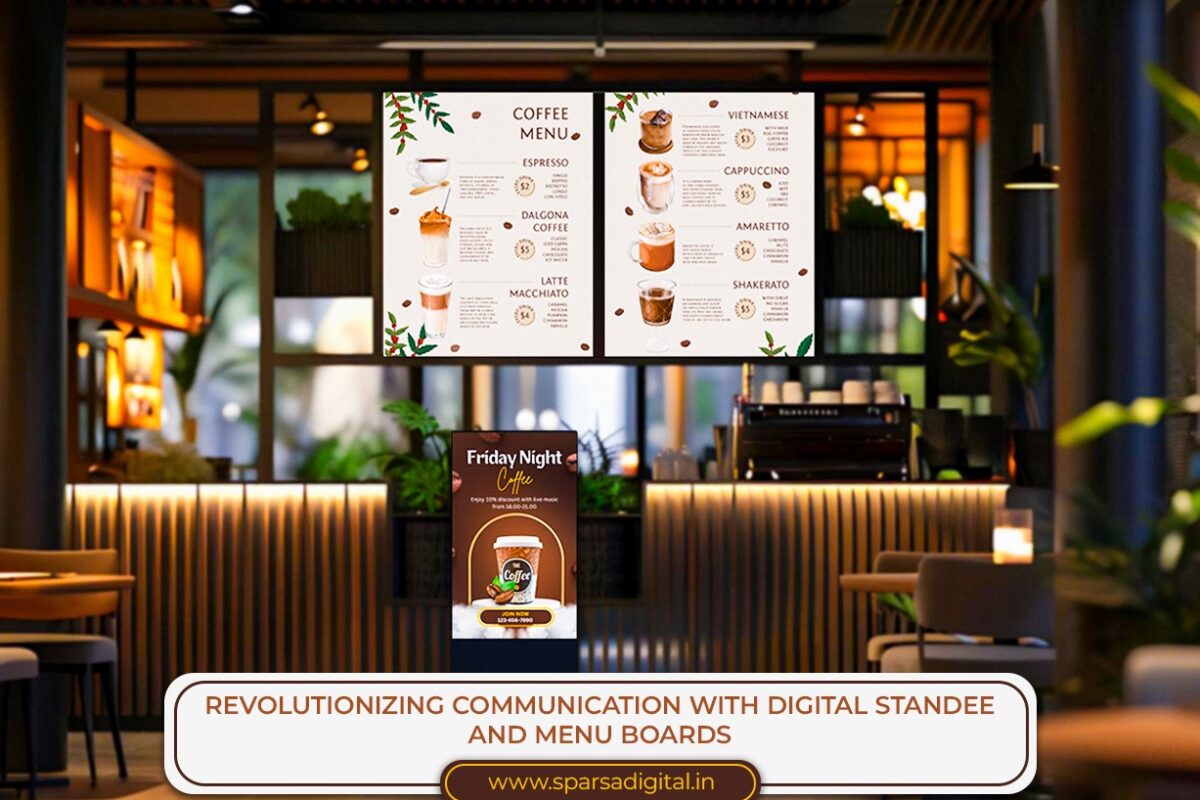
Digital Standee, Digital Menu Board, and Digital Screens Revolutionizing QSR Businesses

Digital Standee, Digital Menu Board, and Digital Screens: Revolutionizing QSR Businesses

In today’s fast-paced world, where customers crave quick service, Quality Service Restaurants (QSRs) are constantly seeking ways to stay ahead of the curve. One of the most effective technological advancements reshaping the QSR industry is the introduction of digital standees, digital menu boards, and digital screens. These digital tools are not just a trend—they are fast becoming essential for streamlining operations, enhancing customer experiences, and driving sales.

The Rise of Digital in the QSR Industry

The modern QSR landscape is evolving rapidly. With customer expectations at an all-time high, restaurants need to offer more than just great food and fast service. Customer experience, branding, and efficiency are key factors that separate successful restaurants from their competitors. One of the most impactful ways QSRs are improving these elements is by incorporating digital technologies like digital standees, digital menu boards, and digital screens into their operations.

Digital Standee: A Dynamic Way to Engage Customers

A digital standee is a sleek, freestanding screen that is often placed in high-traffic areas within the restaurant. These standees can display a variety of content, from promotional ads to menu updates, all in vibrant, high-definition visuals. They are eye-catching and can be used to enhance the ambiance of the restaurant, while also drawing the attention of customers to new or special offers.

The benefits of digital standees in QSRs include:

  • Attracting attention: With the right content, digital standees can immediately capture the attention of customers, especially in busy environments.
  • Branding opportunities: These standees are an excellent tool for reinforcing brand identity through dynamic visuals.
  • Real-time content updates: Promotions, special deals, and limited-time offers can be updated instantly, allowing restaurants to respond quickly to customer demands or trends.
  • Customization: Digital standees offer high customization with the ability to tailor content based on time of day, season, or even customer demographics.

Digital Menu Board: Modernizing the Ordering Experience

In the fast-paced world of QSRs, the menu board plays a critical role in guiding customers through their decisions quickly and efficiently. Traditional static menu boards are now being replaced by digital menu boards, offering a more modern, flexible, and efficient way to display food and drink options.

Here are some key advantages of digital menu boards:

  • Ease of updating: Digital menu boards allow QSRs to update their menu in real-time without the need for costly printouts or labor-intensive changes. Whether it’s a new product launch or a limited-time offer, everything can be updated on the spot.
  • Improved readability: With digital boards, items can be displayed in high-definition images, with clear, legible fonts, and even motion graphics to highlight popular dishes or deals.
  • Dynamic content display: Restaurants can alternate between menu items, nutritional information, promotions, and even order instructions to keep the display fresh and engaging.
  • Adaptability: Digital menu boards can easily be tailored to various locations and formats. Whether you have a single board above the counter or multiple screens placed around the restaurant, the content can be displayed according to the space and the audience.

Digital Screens: Enhancing the Dining Experience

Digital screens in QSRs go beyond just being an effective communication tool—they are also a way to enhance the customer experience. These screens can be integrated into various touchpoints, such as self-service kiosks, drive-thru lanes, or even in-store entertainment. They provide customers with an intuitive and interactive experience that goes hand-in-hand with fast food service.

Some key applications of digital screens in QSRs include:

  • Self-ordering kiosks: Customers can browse the menu, customize their orders, and pay all through digital screens. This reduces human error, speeds up the ordering process, and provides an easy, contactless experience.
  • In-store entertainment: In addition to displaying menus, digital screens can also show entertainment content such as news, social media feeds, or localized advertisements. This keeps customers entertained while they wait and enhances their overall experience.
  • Drive-thru integration: Digital screens at drive-thru lanes display real-time menus and promotions to customers, making it easier for them to decide what they want before reaching the speaker box.

Together, these innovations foster a more streamlined and enjoyable experience for both customers and employees, creating a win-win scenario for QSRs.

Why QSRs Should Embrace Digital Technologies

The benefits of incorporating digital standees, digital menu boards, and digital screens in QSRs are numerous. Here’s why restaurants should invest in digital technology:

  1. Enhanced Customer Experience: Digital solutions provide customers with an interactive, engaging experience that can make their visit more enjoyable and memorable.
  2. Increased Efficiency: With real-time updates, dynamic content, and self-ordering features, QSRs can reduce wait times and streamline operations.
  3. Cost Savings: Over time, digital solutions can help reduce costs associated with printing new menu items, promotional materials, and signage.
  4. Marketing Opportunities: Digital screens and standees are excellent for showcasing promotions, seasonal offers, and new product launches, keeping your marketing efforts fresh and engaging.

FAQ on Digital Standee, Digital Menu Board, and Digital Screen for QSRs

1. How much does a digital standee cost?

The cost of a digital standee can vary depending on the size, resolution, and features (such as touch functionality or custom software). Generally, prices range from $1,000 to $4,000 per unit. However, the return on investment is often high due to improved customer engagement and promotional opportunities.

2. Can I use digital menu boards for upselling?

Yes, digital menu boards are ideal for upselling. You can display high-margin items, popular combos, or special offers to encourage customers to purchase additional items. The ability to visually showcase these items makes it easier to capture customer interest.

3. How easy is it to update content on digital screens and menus?

Updating content on digital screens and menu boards is typically done through a centralized software platform. This allows for real-time changes, whether it’s adjusting pricing, adding new items, or showcasing promotions. You don’t have to worry about printing or physically changing menu boards anymore.

5. What are the benefits of interactive digital screens in drive-thru lanes?

Interactive digital screens at drive-thru lanes can improve order accuracy, speed up the process, and provide a more engaging experience. Customers can see a live display of their order as it’s being entered, which helps reduce mistakes and enhances customer satisfaction.

Conclusion

The integration of digital standees, digital menu boards, and digital screens into QSR operations is changing the way restaurants interact with customers, streamline operations, and market their products. By adopting these digital technologies, QSRs can stay competitive, boost sales, and deliver a modern, engaging experience that today’s consumers expect. With the ability to dynamically update content and offer a more personalized experience, these digital solutions represent the future of the fast-food industry—one where technology and convenience meet to create a better overall dining experience.

Digital Standees and CMS for Signage Transforming the Way We Communicate

Leveraging Digital Standees and CMS for Signage: Transforming the Way We Communicate

In today’s fast-paced world, the way businesses communicate with their customers has undergone a dramatic transformation. Traditional forms of signage are gradually being replaced by modern digital solutions, allowing businesses to communicate more effectively and efficiently. Among these solutions, digital standees and Content Management Systems (CMS) for signage have become increasingly popular. These technological innovations have not only enhanced the visual appeal of advertisements but also provided businesses with greater flexibility, real-time updates, and improved audience engagement.

In this blog post, we will explore how digital standees and CMS for signage are revolutionizing the signage industry. We will also look at case studies of companies that have successfully integrated these technologies into their operations.

What Are Digital Standees?

Digital standees are large digital displays used for advertising, information dissemination, and engagement. Unlike traditional static signage, digital standees can display dynamic content such as videos, animations, and live feeds. These displays are often used in high-traffic areas such as malls, airports, corporate offices, and retail outlets.

The key advantages of digital standees include:

  1. Dynamic Content: Digital standees can easily update content in real-time, displaying video, promotions, and interactive media that capture the audience’s attention.
  2. Versatility: These digital displays can be used for various purposes, including advertising, public service announcements, directions, and customer engagement.
  3. Cost-Effectiveness: While the initial setup costs may be higher than traditional signage, digital standees eliminate the need for frequent printing and manual updates, reducing long-term maintenance costs.
  4. Enhanced Customer Experience: With the ability to display tailored and interactive content, digital standees can significantly enhance the overall customer experience by providing engaging and personalized communication.

The Role of CMS for Signage

A Content Management System (CMS) for signage is a software solution that allows businesses to manage and schedule content on digital displays remotely. This system provides a central dashboard where users can upload, schedule, and monitor content across multiple digital standees or other digital signage devices.

Key benefits of using CMS for signage include:

  1. Centralized Control: A CMS gives businesses the ability to control and update content across all their digital signage displays from one central location, ensuring consistency and saving time.
  2. Real-Time Content Updates: With a CMS, businesses can make real-time changes to content, ensuring that the information displayed is always up-to-date and relevant.
  3. Remote Management: Content can be updated remotely, allowing for quick modifications or emergency messaging without needing to send a technician to the physical location.
  4. Analytics and Reporting: Advanced CMS platforms offer analytics features that track the performance of the content displayed. Businesses can gather insights into customer engagement, optimize content, and improve future campaigns.
  5. Custom Scheduling: The CMS enables businesses to schedule content to be displayed at specific times, ensuring that promotions or messages are shown at optimal moments.

Case Studies: Real-World Examples of Digital Standees and CMS for Signage

Let’s take a look at some successful case studies where companies have effectively implemented digital standees and CMS for signage.

1. Retail Store Digital Advertising – Zara

Zara, a leading global fashion retailer, implemented digital signage in their stores worldwide. Their stores now feature digital standees that display dynamic content such as seasonal promotions, new collections, and fashion trends. With the help of a CMS, Zara manages content across hundreds of stores, ensuring that every location is displaying the right content at the right time.

Using the CMS platform, Zara can schedule promotions based on local market trends and customer behavior. The ability to update content in real-time allows them to launch flash sales, new arrivals, or any emergency messaging across all stores without delay. Additionally, the CMS provides valuable data analytics, allowing Zara to monitor the effectiveness of their campaigns and make data-driven decisions to improve customer engagement.

2. Airport Wayfinding – London Heathrow Airport

London Heathrow Airport implemented a network of digital standees and signage to help passengers navigate the busy terminals. The digital standees display real-time flight information, gate changes, security updates, and other important announcements. The airport uses a CMS to manage this content remotely, ensuring that passengers are always informed.

During high-traffic periods, such as holiday seasons, the airport can quickly update digital standees with relevant information like security wait times, baggage claim updates, and emergency instructions. The system also allows the airport to adjust messaging in real-time in response to unexpected events, such as flight delays or cancellations, providing a more efficient and smoother experience for travelers.

3. Corporate Office Communication – Microsoft

Microsoft’s corporate headquarters in Redmond, Washington, uses digital standees to enhance internal communication. In their open office spaces, digital signage displays information such as announcements, upcoming events, team highlights, and live social media feeds. The content is managed through a CMS, ensuring that relevant messages reach employees promptly.

For example, the HR department can use the CMS to schedule wellness tips, employee recognition posts, or updates about office events. The ability to update content remotely and on the fly ensures that employees are always kept in the loop, improving engagement and morale within the company.

4. Museum Experience – The British Museum

The British Museum in London has adopted digital standees to enrich the visitor experience. These standees are placed throughout the museum, offering interactive content about exhibits, historical facts, and multimedia presentations. The museum uses CMS to manage the content displayed on these screens, ensuring that visitors receive a rich, engaging experience that complements their visit.

The CMS platform allows the museum to tailor content based on the current exhibition or special events. They can also update the digital standees with real-time information, such as exhibit changes, guided tour availability, or even visitor feedback. This dynamic approach helps keep the museum experience fresh and engaging for visitors of all ages.

Conclusion

Digital standees and CMS for signage are transforming the way businesses interact with their audiences. These technologies not only provide businesses with the ability to display dynamic content but also offer an efficient and scalable solution for content management and real-time updates. From retail stores to airports, corporate offices, and museums, the applications for digital signage are vast and varied.

By adopting digital standees and CMS, companies can improve customer engagement, optimize communication strategies, and enhance their brand presence. As more businesses embrace these innovations, we can expect digital signage to become an even more integral part of our daily lives, shaping the way we receive and interact with information.

Unlocking the Potential of Digital Standees

Unlocking the Potential of Digital Standees

In an increasingly digital world, businesses are constantly seeking innovative ways to capture the attention of their target audience. One effective solution that has gained traction in recent years is the use of digital standees. These modern marketing tools, which combine digital displays with eye-catching designs, are transforming the way brands communicate with consumers. In this blog, we’ll explore the various aspects of digital standees, their benefits, applications, and how they can elevate your marketing strategy.

What Are Digital Standees?

Digital standees are freestanding displays that use digital screens to showcase multimedia content such as videos, images, and animations. Unlike traditional static displays, digital standee displays are dynamic and can be easily updated with new content, making them versatile tools for advertising and information dissemination.

The Anatomy of a Digital Standee

Digital standees typically consist of:

  1. Display Screen: The heart of the standee, the display screen is where all the visual content is showcased. These screens can vary in size, resolution, and technology, ranging from LED to LCD.
  2. Frame and Base: The structure of the standee, is usually made of lightweight materials for easy transport. A stable base ensures that the standee remains upright and secure.
  3. Content Management System (CMS): A user-friendly platform that allows businesses to manage and update content on the digital standee easily.
  4. Connectivity Options: Many digital standees come with Wi-Fi or Bluetooth capabilities, allowing for seamless updates and content management.

The Benefits of Using Digital Standees

1. Enhanced Engagement

One of the most significant advantages of digital standees is their ability to engage audiences. With vibrant visuals and dynamic content, these displays capture attention far more effectively than static displays. Studies indicate that moving images can increase viewer retention by up to 60%, making digital standee displays a powerful marketing tool.

2. Flexibility and Adaptability

Digital standees offer unparalleled flexibility in content management. Brands can easily change their messaging, promotions, and visuals without the need for costly reprints. This adaptability allows businesses to respond quickly to market trends, seasonal promotions, or new product launches.

3. Cost-Effective Marketing

While the initial investment in digital standees may be higher than traditional displays, the long-term savings can be substantial. Businesses can reduce printing costs and avoid the logistical challenges associated with physical signage. Additionally, digital standees allow for multiple campaigns to be run from a single device, further enhancing cost-effectiveness.

4. Eye-Catching Design

Digital standees can be designed to align with a brand’s aesthetic, ensuring that they stand out in any environment. The combination of colors, animations, and video content creates a visually striking display that can enhance brand recognition and recall.

5. Data Analytics and Performance Tracking

Many modern digital standee displays come equipped with analytics capabilities. This feature allows businesses to track viewer engagement and gather valuable insights into which content resonates best with their audience. By analyzing this data, brands can optimize their messaging for maximum impact.

Applications of Digital Standees

Digital standees are incredibly versatile and can be used in various settings. Here are some of the most popular applications:

1. Retail Environments

In retail settings, digital standees can showcase product promotions, new arrivals, or seasonal sales. They can also be used to provide information about loyalty programs or special offers, helping to drive foot traffic and sales.

2. Trade Shows and Exhibitions

Digital standees are perfect for trade shows and exhibitions. They can attract attention to a booth, provide product demonstrations, and deliver key messages in a visually appealing format. The ability to update content on the fly makes them invaluable in dynamic event settings.

3. Corporate Offices

In corporate environments, digital standees can be used for internal communication. They can display company announcements, meeting schedules, or employee recognition messages, enhancing workplace engagement.

4. Hospitality and Tourism

Hotels and tourist attractions can leverage digital standees to provide information about services, local attractions, and events. They can also be used for wayfinding, and guiding guests through complex venues.

5. Healthcare Settings

In healthcare facilities, digital standee displays can be used to communicate important information to patients and visitors. From wayfinding to health education, digital standees can enhance the patient experience.

How to Choose the Right Digital Standee

When selecting a digital standee for your business, several factors should be considered to ensure you make the best choice:

1. Size and Resolution

The size and resolution of your digital standee will depend on its intended location and audience. Larger displays are more effective in high-traffic areas, while smaller standees may be suitable for more intimate settings. Ensure the resolution is high enough for clear visibility.

2. Content Management System

Look for a digital standee with an intuitive content management system that allows for easy updates and scheduling. A robust CMS will enable you to maximize the impact of your digital standee.

3. Mobility and Portability

If you plan to move your digital standee frequently, consider its weight and ease of transport. Lightweight materials and a compact design can make relocation much more manageable.

4. Connectivity Features

Ensure that the digital standee has the necessary connectivity options, such as Wi-Fi or Bluetooth, to facilitate easy content updates and real-time management.

5. Durability and Build Quality

Choose a digital standee made from durable materials that can withstand the rigors of your specific environment, whether it’s a bustling retail store or a trade show floor.

As technology continues to evolve, the future of digital standees looks promising. Here are some trends to watch:

1. Interactive Capabilities

The integration of touch-screen technology will allow digital standees to become interactive. This feature will enable consumers to engage directly with content, such as browsing products or accessing more information.

2. Augmented Reality (AR)

The incorporation of augmented reality into digital standee displays can create immersive experiences for viewers. For example, users could scan a QR code to see a 3D product demonstration or interactive content.

3. AI-Driven Content Personalization

As artificial intelligence becomes more sophisticated, digital standees may leverage AI to deliver personalized content based on audience demographics and behavior. This capability could enhance viewer engagement and drive conversion rates.

4. Integration with Social Media

Digital standees could also feature live social media feeds, showcasing real-time posts and interactions. This integration can enhance community engagement and encourage audience participation.

Conclusion

Digital standees are rapidly becoming essential tools in the modern marketer’s toolkit. Their ability to engage audiences, provide real-time updates, and deliver visually striking content makes them a powerful asset for businesses across various industries. Whether used in retail, corporate environments, or events, digital standee displays can significantly enhance brand visibility and communication.

Maximizing Your Marketing Impact with Digital Standees and Digital Displays

Maximizing Your Marketing Impact with Digital Standees and Digital Displays

In the ever-evolving landscape of marketing and advertising, businesses are continuously seeking innovative ways to capture the attention of their audience. One of the most effective methods to achieve this is through the use of digital standees and digital displays. These modern tools offer dynamic and engaging ways to promote products, services, and brand messages. In this blog, we’ll explore how digital standees and digital displays can revolutionize your marketing strategy and maximize your impact.

What Are Digital Standees and Digital Displays?

Digital Standees are versatile, freestanding digital screens designed to attract attention and convey information in a visually striking manner. Typically used in retail environments, trade shows, and events, these standees can showcase videos, advertisements, and interactive content. Their portability and ease of setup make them a popular choice for on-the-go promotions and presentations.

Digital Standee

Digital Displays, on the other hand, refer to a broad range of digital screens used for advertising, information dissemination, and interactive engagement. These displays can vary in size and format, including wall-mounted screens, kiosk displays, and large-format video walls. They are commonly used in high-traffic areas like shopping malls, airports, and corporate lobbies.

The Advantages of Digital Standees and Digital Displays

  1. Dynamic Content Delivery
    One of the primary benefits of digital standees and digital displays is their ability to deliver dynamic content. Unlike traditional print media, digital screens can display videos, animations, and real-time information. This capability allows businesses to create more engaging and interactive experiences for their audience. For example, a digital standee in a retail store can showcase a promotional video that highlights product features and offers, attracting customers’ attention more effectively than a static poster.
  2. Interactive Engagement
    Many digital displays come equipped with touch-screen capabilities, allowing for interactive content. This feature can significantly enhance customer engagement by enabling users to explore information at their own pace. For instance, a digital display in a museum might offer interactive exhibits where visitors can learn more about the artifacts on display by touching the screen. Similarly, a digital standee in a shopping mall could allow users to browse through different product options or participate in a virtual contest.
  3. Data Collection and Analytics
    Digital displays offer advanced analytics capabilities, providing valuable insights into customer behavior and campaign performance. By integrating with data collection tools, businesses can track metrics such as viewer engagement, dwell time, and interaction rates. This data can be analyzed to refine marketing strategies and improve future campaigns. For example, a digital display in a retail environment could track which promotions attract the most attention and adjust the content accordingly.
  4. Cost-Effectiveness Over Time
    While the initial investment in digital standees and displays may be higher compared to traditional media, they often prove to be more cost-effective in the long run. The ability to update content digitally eliminates the need for frequent reprinting, reducing ongoing costs. Additionally, digital screens are durable and can be used for multiple campaigns, offering a better return on investment (ROI) compared to disposable advertising materials.

Best Practices for Using Digital Standees and Digital Displays

  1. Create Compelling Content
    To maximize the effectiveness of digital standees and displays, it’s crucial to create visually appealing and engaging content. High-quality visuals, clear messaging, and a strong call to action are essential components of successful digital advertising. Consider incorporating multimedia elements such as videos, animations, and interactive features to capture and maintain viewer interest.
  2. Optimize Placement and Visibility
    Proper placement of digital screens is key to ensuring maximum visibility and impact. Digital standees should be positioned in high-traffic areas where they can easily attract attention. Similarly, digital displays should be strategically placed to ensure they are easily visible to your target audience. Consider factors such as lighting, foot traffic patterns, and the overall layout of the space when determining the best placement.
  3. Leverage Real-Time Updates
    Take advantage of the flexibility offered by digital screens by implementing real-time updates. Whether it’s promoting a flash sale, announcing a new product launch, or displaying live event feeds, real-time updates can keep your content relevant and timely. This approach can enhance customer engagement and drive immediate action.
  4. Monitor and Analyze Performance
    Regularly monitor the performance of your digital standees and displays to gauge their effectiveness. Utilize analytics tools to track key metrics such as viewer engagement, interaction rates, and conversion rates. Analyzing this data will help you understand what works and what needs improvement, allowing you to refine your marketing strategy for better results.

Conclusion

Digital standees and digital displays represent a powerful evolution in marketing and advertising, offering businesses innovative ways to engage with their audience and deliver compelling content. By leveraging the dynamic features, flexibility, and interactive capabilities of these digital tools, businesses can create memorable experiences that drive customer engagement and enhance brand visibility.

As you integrate digital standees and displays into your marketing strategy, keep in mind the best practices outlined above to maximize their impact. With careful planning and execution, these digital tools can help you stay ahead of the competition and achieve your marketing goals in an increasingly digital world.

The Modern Advertising Landscape_ Display Boards and Digital Standees

The Modern Advertising Landscape: Display Boards and Digital Standees

Introduction

The advertising world has undergone significant changes over the years, with technological advancements continuously reshaping how businesses communicate with their audiences. Two key innovations in this space are display boards and digital standees. These tools have revolutionized the advertising industry, providing dynamic, interactive, and visually appealing methods to engage consumers. This blog explores the evolution, benefits, applications, and future trends of display boards and digital standees in advertising.

The Evolution of Display Boards and Digital Standees

Early Display Boards

Display boards have been a staple in advertising for decades. Traditional display boards, such as billboards and posters, were static, offering limited opportunities for engagement. Despite their limitations, they played a crucial role in outdoor advertising, providing businesses with a means to reach a wide audience.

Transition to Digital Display Boards

The advent of digital technology brought about a significant transformation in display boards. Digital display boards, often referred to as digital signage, emerged as a dynamic and versatile alternative to static boards. These digital displays utilize LED or LCD screens to present vibrant, eye-catching content that can be easily updated in real-time.

Introduction of Digital Standees

Digital standees represent a further evolution in advertising technology. Unlike traditional standees, which are static cardboard or plastic cutouts, digital standees incorporate screens that display animated or interactive content. These standees are often placed in high-traffic areas, such as shopping malls, airports, and trade shows, to attract and engage passersby.

Benefits of Digital Display Boards and Digital Standees

Enhanced Visibility and Engagement

Digital display boards and standees offer enhanced visibility compared to their static counterparts. The bright, dynamic content displayed on these screens is more likely to catch the eye of potential customers. Additionally, the ability to incorporate animations, videos, and interactive elements increases engagement, making the advertising message more memorable.

Real-Time Content Updates

One of the most significant advantages of digital display boards and standees is the ability to update content in real-time. This flexibility allows businesses to quickly adapt their advertising strategies based on current events, promotions, or customer feedback. Real-time updates ensure that the advertising message remains relevant and timely.

Cost-Effective Advertising

While the initial investment in digital display boards and standees may be higher than traditional methods, they offer cost-effective advertising solutions in the long run. The ability to update content without the need for printing new materials reduces ongoing costs. Additionally, digital displays have a longer lifespan and require less maintenance compared to static boards.

Interactive Capabilities

Digital standees, in particular, offer interactive capabilities that enhance the customer experience. Touchscreens, motion sensors, and augmented reality features can be integrated into digital standees, allowing users to interact directly with the content. This interactivity creates a more engaging and immersive experience, increasing the likelihood of a positive response from the audience.

Environmentally Friendly

Digital display boards and standees are more environmentally friendly compared to traditional advertising methods. By reducing the need for printed materials, businesses can minimize their environmental footprint. Additionally, the energy-efficient technology used in modern digital displays contributes to lower energy consumption.

Applications of Digital Display Boards and Standees

Retail Environments

In retail environments, digital display boards and standees are used to promote products, highlight special offers, and enhance the overall shopping experience. These displays can be strategically placed near entrances, checkout areas, and high-traffic zones to maximize visibility and impact. Interactive digital standees can provide customers with detailed product information, reviews, and personalized recommendations.

Hospitality Industry

Hotels, restaurants, and other hospitality businesses use digital display boards and standees to communicate with guests. In hotel lobbies, digital displays can provide information about amenities, local attractions, and upcoming events. Restaurants use digital menu boards to showcase their offerings, provide nutritional information, and highlight daily specials.

Corporate Communication

Digital display boards are also used in corporate settings to enhance communication and collaboration. In office buildings, digital displays can be used to share company news, event announcements, and employee achievements. Interactive standees can be placed in conference rooms and lobbies to provide visitors with information about the company and its products or services.

Transportation Hubs

Airports, train stations, and bus terminals use digital display boards to provide travelers with real-time information about schedules, delays, and gate changes. Digital standees can be used to promote services, provide wayfinding assistance, and enhance the overall traveler experience.

Education Sector

Schools and universities use digital display boards and standees to share important announcements, event information, and educational content. These displays can be placed in common areas, such as cafeterias, libraries, and hallways, to ensure that students, faculty, and visitors stay informed.

Challenges and Considerations

Initial Investment

The initial investment in digital display boards and standees can be significant. Businesses need to consider the cost of hardware, software, installation, and content creation. However, the long-term benefits, such as reduced maintenance costs and increased engagement, often outweigh the initial expense.

Content Creation and Management

Creating engaging and effective content for digital displays requires creativity and expertise. Businesses may need to invest in professional content creation services to ensure that their messages stand out. Additionally, managing and updating content across multiple displays can be challenging, requiring a robust content management system.

Technical Maintenance

Digital display boards and standees require regular maintenance to ensure optimal performance. This includes cleaning, software updates, and occasional repairs. Businesses need to have a maintenance plan in place to address any technical issues promptly.

Privacy Concerns

As digital displays become more interactive and personalized, privacy concerns may arise. Businesses need to be transparent about data collection and usage practices. Implementing robust security measures and obtaining user consent are essential to addressing privacy concerns.

Conclusion

Digital display boards and standees have transformed the advertising landscape, offering dynamic, interactive, and cost-effective solutions for businesses. From retail environments to transportation hubs, these digital displays enhance visibility, engagement, and customer experience. As technology continues to evolve, the future of digital advertising looks promising, with increased personalization, augmented reality integration, and sustainable solutions on the horizon. By embracing these innovations, businesses can stay ahead of the competition and create memorable advertising experiences for their audiences.

The Evolution and Impact of Digital Notice Boards and Digital Standees

The Evolution and Impact of Digital Notice Boards and Digital Standees

In today’s rapidly evolving digital landscape, the way information is shared and consumed has undergone a dramatic transformation. Traditional methods of communication, such as paper notice boards and static posters, are being increasingly replaced by more dynamic and engaging digital solutions. Among these, digital notice boards and digital standees have emerged as powerful tools that enhance communication, improve engagement, and offer a multitude of benefits across various sectors. In this blog, we will delve into the world of digital notice boards and digital standees, exploring their significance, applications, advantages, and the future trends shaping their development.

Understanding Digital Notice Boards

What Are Digital Notice Boards?

Digital notice boards are electronic displays that present information, announcements, and messages in a visually appealing and easily updateable format. Unlike traditional notice boards, which require manual posting and removal of paper notices, digital notice boards allow for real-time updates and content management through digital means. These boards can found in various forms, such as LCD screens, LED panels, and interactive touchscreens, and are commonly used in public spaces, educational institutions, corporate environments, healthcare facilities, and more.

Applications of Digital Notice Boards

  1. Educational Institutions: Schools, colleges, and universities use digital notice boards to display class schedules, event announcements, examination results, and important updates. This ensures that students, faculty, and visitors are always informed about the latest happenings on campus.
  2. Corporate Offices: In the corporate world, digital notice boards serve as an effective tool for internal communication. They can display company news, employee achievements, meeting schedules, and corporate policies, fostering a culture of transparency and engagement.
  3. Healthcare Facilities: Hospitals and clinics utilize digital notice boards to provide patients and visitors with information about doctor availability, appointment schedules, health tips, and emergency announcements. This enhances the overall patient experience and ensures smooth operations.
  4. Public Spaces: Airports, train stations, shopping malls, and other public spaces use digital notice boards to convey important information such as flight schedules, train timings, promotional offers, and emergency alerts. These boards help in guiding and informing the public efficiently.
  5. Hospitality Industry: Hotels and resorts employ digital notice boards to provide guests with information about check-in/check-out times, dining options, spa services, and local attractions. This enhances the guest experience and ensures a seamless stay.

Benefits of Digital Notice Boards

  1. Real-Time Updates: One of the most significant advantages of digital notice boards is their ability to provide real-time updates. This ensures that the information displayed is always current and relevant, reducing the risk of outdated or incorrect information.
  2. Engaging Content: Digital notice boards can display multimedia content, including images, videos, and animations. This makes the information more engaging and visually appealing, capturing the attention of viewers effectively.
  3. Remote Management: With digital notice boards, content can managed remotely through a centralized system. This means that updates can made from anywhere, eliminating the need for physical presence and manual labor.
  4. Cost-Effective: While the initial investment in digital notice boards may higher than traditional notice boards, they prove to cost-effective in the long run. They eliminate the need for printing and paper costs, and their durability ensures a longer lifespan.
  5. Eco-Friendly: By reducing the reliance on paper and printing, digital notice boards contribute to environmental sustainability. They help in minimizing waste and conserving resources.

Exploring Digital Standees

What Are Digital Standees?

Digital standees, also known as digital kiosks or digital signboards, are freestanding digital displays that are used to showcase advertisements, information, and interactive content. These standees are equipped with high-definition screens and are often placed in high-traffic areas to maximize visibility and engagement. Digital standees can be interactive or non-interactive, depending on the intended use and audience.

Applications of Digital Standees

  1. Retail and Advertising: In the retail sector, digital standees are used for advertising products, promotions, and sales. They attract customers’ attention and can influence purchasing decisions by providing detailed product information and engaging content.
  2. Event Management: Digital standees are commonly used in conferences, trade shows, and exhibitions to display event schedules, speaker information, and interactive maps. They enhance the attendee experience by providing easy access to important information.
  3. Tourism and Hospitality: Hotels, resorts, and tourist attractions use digital standees to provide guests with information about local attractions, dining options, and entertainment activities. Interactive standees can offer personalized recommendations based on user preferences.
  4. Corporate Communication: In corporate environments, digital standees are used for internal communication, displaying company news, employee achievements, and motivational content. They contribute to a positive workplace culture and improve employee engagement.
  5. Public Services: Government offices, libraries, and public service centers utilize digital standees to provide citizens with information about services, procedures, and announcements. They facilitate easy access to information and improve service delivery.

Benefits of Digital Standees

  1. High Visibility: Placed strategically in high-traffic areas, digital standees attract attention and ensure high visibility for the displayed content. Their bright and dynamic screens stand out, making it hard for passersby to ignore them.
  2. Interactive Capabilities: Interactive digital standees offer a unique user experience by allowing users to interact with the content. Touchscreens enable users to access information, make selections, and even complete transactions, enhancing engagement and satisfaction.
  3. Content Versatility: Digital standees can display a wide range of content, including advertisements, information, videos, and interactive applications. This versatility makes them suitable for various purposes and industries.
  4. Remote Management: Similar to digital notice boards, digital standees can managed remotely through a centralized system. This allows for easy content updates and maintenance, ensuring that the information displayed is always relevant and up-to-date.
  5. Brand Promotion: For businesses, digital standees serve as an effective tool for brand promotion. They can display branded content, promotional offers, and product information, reinforcing brand identity and increasing customer engagement.

Conclusion

Digital notice boards and digital standees have revolutionized the way information is communicated and consumed in various settings. Their ability to provide real-time updates, engage audiences, and offer versatile content makes them invaluable tools in today’s digital age. As technology continues to evolve, these digital communication solutions will become even more sophisticated, providing enhanced user experiences and contributing to sustainable practices. Whether in educational institutions, corporate environments, healthcare facilities, or public spaces, digital notice boards and standees are set to play a pivotal role in shaping the future of communication and engagement.

Embracing these digital solutions not only improves the efficiency of information dissemination but also fosters a culture of innovation and sustainability. As we move forward, the integration of advanced technologies and the focus on user-centric experiences will continue to drive the evolution of digital notice boards and digital standees, making them indispensable assets in our interconnected world.

The Future of Advertising Embracing Digital Standees and LED Standees

The Future of Advertising: Embracing Digital Standees and LED Standees

In an era where digital transformation is rapidly redefining every aspect of our lives, the advertising industry is no exception. Traditional static displays are making way for more dynamic and engaging digital formats, with digital standees and LED standees leading the charge. These modern advertising tools are revolutionizing the way brands communicate with their audiences, offering unparalleled flexibility, creativity, and impact. In this comprehensive blog post, we will explore the world of digital standees and LED standees, delving into their features, benefits, applications, and the future they promise for the advertising landscape.

Understanding Digital Standees

What is a Digital Standee?

A digital standee is an advanced form of display advertising that utilizes digital screens to present content. Unlike traditional cardboard or printed standees, digital standees can showcase dynamic and interactive content, including videos, animations, and real-time information. They are essentially digital posters that can be updated and customized with ease, offering a modern twist to conventional advertising methods.

Key Features of Digital Standees

  1. Dynamic Content: Digital standees can display videos, animations, and other multimedia content, making advertisements more engaging and visually appealing.
  2. Interactivity: Many digital standees come equipped with touch screens, enabling interactive experiences for users. This feature is particularly useful in retail environments where customer engagement is crucial.
  3. Remote Management: Content on digital standees can be updated remotely via a content management system (CMS), allowing for real-time changes and easy management.
  4. Versatility: Digital standees can be used in a variety of settings, including retail stores, trade shows, airports, and more.
  5. Eco-Friendly: By eliminating the need for printing and reprinting materials, digital standees are a more sustainable advertising option.

LED Standees: A Brighter Approach to Advertising

What is an LED Standee?

An LED standee is a type of digital standee that uses LED (Light Emitting Diode) technology to display content. LEDs are known for their brightness, energy efficiency, and long lifespan, making LED standees an attractive option for high-impact advertising. These standees can come in various shapes and sizes, from small countertop displays to large, life-sized installations.

Key Features of LED Standees

  1. High Brightness and Visibility: LED standees are exceptionally bright, ensuring that content is visible even in well-lit environments. This makes them ideal for both indoor and outdoor use.
  2. Energy Efficiency: LEDs consume less power compared to other display technologies, making LED standees cost-effective and environmentally friendly.
  3. Durability: LED screens are robust and have a longer lifespan, reducing the need for frequent replacements.
  4. Vibrant Colors: LED technology offers superior color accuracy and vibrancy, making advertisements more striking and attractive.
  5. Flexibility in Design: LED standees can be customized in various shapes and sizes, providing creative freedom in design and application.

Benefits of Digital and LED Standees in Advertising

Enhanced Engagement

Digital and LED standees capture attention more effectively than static displays. The ability to display moving images, animations, and interactive content makes them inherently more engaging. This increased engagement can lead to higher recall rates and a stronger impact on viewers.

Cost-Effective Advertising

While the initial investment for digital and LED standees may be higher than traditional displays, the long-term savings are significant. The ability to update content remotely eliminates the need for reprinting materials, reducing ongoing costs. Additionally, the durability and energy efficiency of LED standees lower maintenance and operational expenses.

Real-Time Content Updates

One of the standout advantages of digital standees is the ability to update content in real time. This feature is particularly beneficial for promotions, sales, and events, allowing advertisers to keep their messages current and relevant without delay. It also enables targeted advertising, where content can be tailored to specific audiences or times of day.

Space Efficiency

Digital and LED standees are often designed to be sleek and space-efficient. They can fit into various environments without taking up much floor space, making them suitable for crowded areas like retail stores and trade show booths.

Analytics and Insights

Many digital standee solutions come with built-in analytics capabilities. Advertisers can track engagement metrics such as view counts, interaction rates, and dwell time. These insights can help refine advertising strategies and measure the effectiveness of campaigns.

Applications of Digital and LED Standees

Retail Environments

In retail, digital and LED standees can enhance the shopping experience by providing dynamic product displays, promotions, and interactive content. They can be strategically placed near entrances, product aisles, and checkout areas to maximize visibility and engagement.

Trade Shows and Exhibitions

At trade shows and exhibitions, digital standees serve as eye-catching attractions that can draw attendees to a booth. Their ability to display detailed product information, videos, and interactive demos makes them invaluable tools for exhibitors looking to stand out in a crowded environment.

Hospitality and Tourism

Hotels, resorts, and tourist attractions can use digital standees to provide guests with information, promotions, and wayfinding assistance. LED standees can be placed in lobbies, reception areas, and other high-traffic locations to enhance the guest experience.

Transportation Hubs

Airports, train stations, and bus terminals are ideal locations for digital and LED standees. They can display real-time travel information, advertisements, and public service announcements, helping to inform and engage travelers.

Corporate Environments

In corporate settings, digital standees can be used for internal communications, displaying company news, announcements, and event information. They can also serve as digital directories in large office buildings.

Conclusion

Digital and LED standees represent the future of advertising, offering dynamic, engaging, and cost-effective solutions for a wide range of applications. Their ability to display real-time content, interact with users, and provide valuable analytics makes them invaluable tools for modern marketers. As technology continues to advance, the potential for these standees will only grow, opening up new possibilities for personalized, immersive, and impactful advertising experiences.

Embracing digital and LED standees is not just a trend; it’s a strategic move towards more innovative, sustainable, and effective advertising. Businesses that leverage these technologies will be better positioned to capture attention, engage audiences, and drive success in an increasingly competitive landscape. The future of advertising is bright, and digital and LED standees are at the forefront of this exciting evolution.

The Power Of Engagement Standees And Attention Standees In Modern Marketing

The Power of Engagement Standees and Attention Standees in Modern Marketing

In the dynamic world of marketing, businesses are constantly exploring innovative ways to capture consumer attention and drive engagement. One effective yet often underappreciated tool in this endeavor is the use of standees. Engagement standees and attention standees have emerged as powerful assets for marketers looking to create a memorable impact. This blog delves into the role of these standees, their benefits, and their application in various industries, while also providing practical tips for maximizing their effectiveness.

Understanding Standees

Standees are freestanding advertising displays, typically made of cardboard, foam board, or other durable materials. They are designed to be visually striking and placed in strategic locations to attract attention. Unlike traditional posters or banners, standees have a three-dimensional presence that can significantly enhance their visibility and impact.

Types of Standees

1. Engagement Standees: These are designed to interact with the audience in some way, encouraging them to participate in a specific activity, such as scanning a QR code, taking a photo, or engaging with a touch screen.

2. Attention Standees: These are primarily focused on capturing the attention of passersby with eye-catching designs, bold colors, and compelling messages. Their main goal is to make people stop and take notice.

The Role of Engagement Standees

Engagement standees are more than just visually appealing displays; they are interactive tools that create a dynamic connection with the audience. Here’s how they can benefit businesses:

Enhancing Customer Interaction

Engagement standees often incorporate elements that require active participation from the audience. This can include QR codes that lead to special offers, touch screens with interactive content, or photo-opportunities with branded backgrounds. Such features not only draw attention but also provide an engaging experience that can leave a lasting impression.

Collecting Customer Data

By encouraging interactions such as signing up for newsletters, participating in surveys, or entering contests, engagement standees can be instrumental in collecting valuable customer data. This data can be used to refine marketing strategies, tailor future campaigns, and improve customer relationship management.

Boosting Social Media Presence

Engagement standees that incorporate social media elements, such as hashtags or selfie spots, can significantly boost a brand’s online presence. When customers share their experiences on social media, it creates organic content and word-of-mouth promotion, extending the reach of the campaign beyond the physical location.

The Role of Attention Standees

Attention standees are designed to captivate the audience at first glance. Their primary function is to create an immediate visual impact that compels people to take notice. Here’s how they can benefit businesses:

Increasing Brand Visibility

Strategically placed attention standees can enhance brand visibility by making it stand out in crowded environments like shopping malls, trade shows, or busy streets. Their striking designs and prominent placement ensure that the brand remains top-of-mind for consumers.

Highlighting Promotions and Offers

Attention standees are an excellent way to showcase special promotions, new product launches, or limited-time offers. Their bold and attractive designs can quickly convey key messages, prompting immediate action from potential customers.

Reinforcing Brand Identity

Well-designed attention standees that reflect the brand’s identity can reinforce brand recognition and loyalty. Consistent use of brand colors, logos, and messaging helps create a cohesive brand experience that resonates with customers.

Practical Applications of Engagement and Attention Standees

Standees can be effectively utilized across various industries to achieve different marketing objectives. Here are some practical applications:

Retail Industry

Engagement Standees:

Interactive Product Displays: Standees featuring touch screens or QR codes can provide detailed product information, customer reviews, and promotional videos.

In-Store Contests: Encourage customers to participate in contests by interacting with the standee, such as scanning a QR code to enter a draw.

Attention Standees:

Promotional Announcements: Highlight ongoing sales, special discounts, and new arrivals with eye-catching designs.

Brand Ambassador: Life-size cutouts of celebrities or brand mascots can attract attention and drive foot traffic.

Hospitality Industry

Engagement Standees:

Guest Feedback: Use standees with touch screens to collect guest feedback and reviews.

Loyalty Programs: Promote loyalty programs and encourage sign-ups through interactive features.

Attention Standees:

Event Promotions: Highlight upcoming events, special dining offers, or seasonal promotions.

Directional Signage: Guide guests to different areas within the hotel or venue.

Entertainment Industry

Engagement Standees:

– Photo Booths: Create immersive photo experiences with themed backgrounds and props.

– Movie Promotions: Engage audiences with trivia, trailers, and special offers for upcoming films.

Attention Standees:

– Film Announcements: Promote new movie releases with dramatic, visually appealing standees.

– Concert Advertisements: Capture attention for upcoming concerts and performances.

Designing Effective Standees

To maximize the impact of engagement and attention standees, careful consideration must be given to their design and placement. Here are some tips for creating effective standees:

Visual Appeal

1. Bold Colors and Fonts: Use bright, contrasting colors and large fonts to ensure readability from a distance.

2. High-Quality Images: Incorporate high-resolution images and graphics to create a professional look.

3. Consistent Branding: Ensure that the standee reflects your brand’s identity with consistent use of logos, colors, and messaging.

Clear Messaging

1. Concise Text: Keep the text short and to the point, focusing on key messages and calls to action.

2. Hierarchy of Information: Use different font sizes and weights to create a visual hierarchy that guides the viewer’s eye to the most important information first.

Interactive Elements

1. Easy-to-Use Features: Ensure that interactive elements like QR codes, touch screens, or social media prompts are user-friendly and accessible.

2. Clear Instructions: Provide clear instructions on how to engage with the interactive features to avoid confusion.

Strategic Placement

1. High Traffic Areas: Place standees in areas with high foot traffic to maximize visibility and engagement.

2. Eye-Level Positioning: Position standees at eye level to ensure they are easily noticed by passersby.

3. Complementary Surroundings: Ensure that the standee’s design complements its surroundings and does not clash with other visual elements in the area.

Measuring the Effectiveness of Standees

To determine the success of your standee campaign, it’s essential to measure its effectiveness. Here are some key metrics to consider:

Foot Traffic

Monitor the increase in foot traffic around the standee’s location to gauge its impact on attracting attention.

Engagement Rates

Track the number of interactions with engagement standees, such as QR code scans, touch screen interactions, or social media shares.

Sales and Conversions

Analyze sales data to see if there is a noticeable increase in purchases or sign-ups that can be attributed to the standee campaign.

Customer Feedback

Collect feedback from customers to understand their perception of the standee and its impact on their decision-making process.

Conclusion

Engagement standees and attention standees are powerful tools in the modern marketer’s arsenal. By creating visually striking and interactive displays, businesses can capture consumer attention, drive engagement, and enhance brand visibility. Whether used in retail, events, hospitality, or entertainment, standees offer a versatile and effective way to communicate key messages and create memorable experiences.

To maximize the impact of standees, businesses should focus on effective design, clear messaging, strategic placement, and measuring success. As technology continues to advance, the integration of AR, AI, and sustainable materials will further enhance the capabilities and effectiveness of standees, making them an indispensable part of any comprehensive marketing strategy.

By leveraging the power of engagement and attention standees, businesses can not only attract and engage customers but also build lasting relationships and drive long-term success.

Digital Standee

Elevate Your Brand Presence with Digital Standee Displays

A Modern Twist on Traditional Advertising

In the dynamic landscape of advertising and brand promotion, staying ahead of the curve is essential. Traditional methods of marketing, though effective in their time, often struggle to capture the attention of today’s tech-savvy audience. Enter the digital standee display – a contemporary solution that combines the charm of physical advertising with the versatility of digital technology. Let’s explore how this modern twist on a classic concept is revolutionizing brand visibility.

The Evolution of Digital Standee Displays

Once relegated to static images and printed posters, standee displays have undergone a remarkable transformation. Gone are the days of static content that fails to engage passersby. In its place, digital standees offer vibrant visuals, dynamic content, and interactive experiences that command attention in any setting.

Embracing Digital Dynamism

The allure of digital standees lies in their ability to captivate audiences with dynamic content. From eye-catching animations to high-definition videos, these displays offer a canvas limited only by imagination. Whether showcasing product features, highlighting promotions, or telling compelling brand stories, digital standees provide the flexibility to adapt content on-the-fly, ensuring relevance and resonance with the target audience.

A Frame Digital Standees: Where Style Meets Substance

The aesthetics of advertising play a crucial role in brand perception. A frame digital standees marry form and function seamlessly, elevating the visual appeal of any space they inhabit. With sleek, minimalist designs and customizable frames, these displays effortlessly blend into diverse environments, from bustling trade shows to elegant retail stores. By harmonizing with the surroundings while commanding attention, a frame digital standees make a bold statement about brand identity and sophistication.

Interactive Engagement: Making Every Interaction Count

In the age of interactivity, passive advertising no longer suffices. Digital standees empower brands to foster meaningful engagements with their audience. Touchscreen capabilities invite users to explore product features, access exclusive content, or participate in immersive experiences. By transforming spectators into participants, digital standees forge deeper connections and leave a lasting impression long after the initial interaction.

The Power of Data-driven Insights

One of the most significant advantages of digital standees lies in their ability to gather invaluable data insights. Built-in analytics tools track metrics such as foot traffic, dwell time, and user interactions, providing brands with actionable insights into consumer behavior. Armed with this data, businesses can refine their marketing strategies, optimize content performance, and drive tangible ROI with precision and efficiency.

Eco-friendly and Cost-effective Solutions

Beyond their technological prowess, digital standees offer practical benefits that resonate with environmentally-conscious consumers and budget-conscious businesses alike. By eliminating the need for printed materials and frequent replacements, digital displays reduce waste and contribute to sustainable practices. Moreover, their longevity and versatility translate to long-term cost savings, making them a sound investment for businesses of all sizes.

Conclusion

In an era defined by digital innovation and evolving consumer preferences, traditional advertising methods are giving way to more dynamic and immersive experiences. Digital display represent the vanguard of this transformation, seamlessly blending the tangible appeal of physical displays with the limitless possibilities of digital technology. With their ability to captivate audiences, foster engagement, and deliver measurable results, digital standees offer a modern twist on traditional advertising that is as impactful as it is innovative. Embrace the future of brand promotion with digital standee displays and elevate your brand presence to new heights.

A Comprehensive Exploration of Digital Display Standees and Optimal Sizes

A Comprehensive Exploration of Digital Display Standees and Optimal Sizes

In the dynamic landscape of advertising and information dissemination, traditional static standees are making way for their technologically advanced counterparts – Digital Display Standees. In this extensive guide, we delve deep into the realm of Digital Display Standees, uncovering the technology that powers them, exploring their myriad applications, and understanding the nuances of choosing the optimal size for maximum impact.

As we navigate through an era dominated by digital experiences, businesses and organizations are continually seeking innovative ways to capture the attention of their target audience. Digital Display Standees have emerged as a transformative solution, offering a versatile and engaging platform for showcasing dynamic content. In this comprehensive exploration, we aim to unravel the intricacies of Digital Display Standees, shedding light on their technological underpinnings, applications across diverse industries, and the critical consideration of size for optimal effectiveness.

Understanding Digital Display Standees

1. Technology Behind Digital Display Standees

Digital Display Standees leverage advanced display technologies to showcase vibrant and dynamic content. The key components include:

– Display Panel:

Digital standees are equipped with high-resolution display panels, commonly using technologies like LCD (Liquid Crystal Display) or LED (Light-Emitting Diode). These panels offer excellent clarity and color reproduction, ensuring a captivating viewing experience.

– Media Player:

A media player is integrated into the standee, responsible for processing and playing multimedia content. This can include videos, images, and interactive elements, providing a dynamic and engaging presentation.

– Content Management System (CMS):

A robust CMS allows users to control and manage the content displayed on the digital standee remotely. This enables real-time updates, scheduling, and customization of the displayed material.

2. Key Features of Digital Display Standees

– Interactivity:

Digital standees can be designed to be interactive, allowing users to engage with the content through touch screens or interactive gestures. This interactivity enhances user engagement and provides a memorable experience.

– Remote Management:

The ability to manage content remotely makes digital standees versatile and efficient. Changes in content, scheduling, and monitoring can be done from a central location, saving time and effort.

– Dynamic Content Rotation:

Digital standees can rotate through a variety of content, keeping the display fresh and preventing viewer fatigue. This feature is particularly advantageous for high-traffic areas where repeated exposure to the same content may lead to diminished impact.

Applications of Digital Display Standees

Digital Display Standees find applications across diverse industries, transforming the way businesses communicate with their audience. Here are some prominent use cases:

1. Retail

In retail environments, digital standees serve as powerful tools for product promotion, branding, and enhancing the overall shopping experience. Interactive features can provide customers with detailed product information, pricing, and promotions.

2. Hospitality

Hotels, restaurants, and event venues utilize digital standees for welcoming guests, displaying event schedules, and promoting on-site amenities. The dynamic nature of digital content allows for easy updates and customization for different occasions.

3. Corporate Settings

Digital standees in corporate settings act as informative hubs, displaying company announcements, employee recognition, and real-time updates. They contribute to creating an engaging and dynamic workplace environment.

4. Healthcare

In healthcare facilities, digital standees play a crucial role in disseminating important information, wayfinding, and promoting health and safety guidelines. Interactive features can provide patients with access to educational content and appointment details.

5. Events and Exhibitions

Digital standees are a staple in events and exhibitions, serving as attention-grabbing displays for sponsors, exhibitors, and event information. Their dynamic nature allows for easy adaptation to changing schedules and announcements.

Choosing the Optimal Size for Digital Display Standees

The size of a digital standee is a critical factor that significantly influences its effectiveness. Selecting the optimal size involves considering various elements to ensure maximum visibility and impact. Here are key considerations:

1. Location and Viewing Distance:

Understanding where the digital standee will be placed and the average viewing distance is crucial. For high-traffic areas with a lot of footfall, larger displays may be necessary to capture attention from a distance.

2. Content Type:

The type of content being displayed also plays a role in determining the size. If the content involves intricate details or small text, a larger display may be needed to ensure clarity.

3. Space Constraints:

Consideration of the available space is essential. While a larger display may be visually impactful, it should not overwhelm the surroundings or impede foot traffic.

4. Audience Engagement:

For interactive digital standees, the size should be conducive to user engagement. If touchscreens or interactive elements are incorporated, ensuring comfortable interaction is vital.

5. Budget:

Budget considerations play a role in determining the size of the digital standee. While larger displays may have a higher upfront cost, they can offer greater visibility and impact.

Benefits of Digital Display Standees

The adoption of Digital Display Standees is driven by a multitude of benefits that cater to the evolving needs of businesses and organizations:

1. Dynamic and Engaging Content:

Digital standees allow for the display of dynamic and interactive content, capturing and retaining viewer attention more effectively than static displays.

2. Real-time Updates:

The ability to update content in real-time ensures that information is always current and relevant. This is particularly advantageous in fast-paced environments and industries.

3. Cost-effective in the Long Run:

While the initial investment in digital standees may be higher than traditional static displays, the ability to reuse and update content without incurring printing costs makes them cost-effective in the long run.

4. Enhanced Branding Opportunities:

Digital standees provide ample opportunities for branding with vibrant visuals, animations, and multimedia content. This contributes to a stronger brand presence and recall.

5. Data Analytics:

Advanced digital standees equipped with analytics capabilities can provide valuable insights into viewer engagement, allowing businesses to tailor content for maximum impact.

As technology continues to advance, several trends and innovations are shaping the future of Digital Display Standees:

1. Augmented Reality Integration:

The integration of augmented reality (AR) features into digital standees will offer users immersive and interactive experiences, blurring the lines between the digital and physical worlds.

2. AI-driven Personalization:

Artificial intelligence (AI) algorithms will enable digital standees to analyze user behavior and preferences, allowing for personalized content delivery tailored to individual viewers.

3. Transparent Displays:

The development of transparent display technology will pave the way for see-through digital standees, providing a unique and futuristic display experience.

4. Energy-efficient Displays:

Advancements in display technology will lead to more energy-efficient digital standees, reducing power consumption and environmental impact.

5. Multi-sensory Experiences:

Future digital standees may incorporate multi-sensory elements, such as scent dispensers and haptic feedback, to create a more immersive and memorable experience.

Conclusion

Digital Display Standees represent a paradigm shift in the way businesses and organizations communicate with their audience. With their dynamic content capabilities, real-time updates, and interactive features, digital standees are at the forefront of modern advertising and information dissemination. As technology continues to evolve, the potential for innovation in this space is limitless, promising even more engaging and personalized experiences for audiences around the globe. The careful consideration of size, coupled with advancements in technology, ensures that Digital Display Standees will continue to play a pivotal role in shaping the future of visual communication.