
Active LED Displays and Active LED Video Walls

Active LED Displays for High-Impact Visual Communication

In the world of modern visual technology, Active LED Displays and Active LED Video Walls have emerged as powerful solutions for a wide range of applications. From retail spaces and concert stages to corporate boardrooms and sports arenas, these high-impact visual tools are transforming the way we experience digital content. In this blog post, we’ll explore the benefits, technology, and applications of Active LED Displays and Active LED Video Walls, highlighting their advantages in comparison to traditional display methods.

What Are Active LED Displays?

An Active LED Display refers to a digital screen made up of light-emitting diodes (LEDs) that are individually powered to produce light. Unlike traditional passive LED displays, where the LEDs simply emit light when the screen is powered, an active LED display is designed to use more sophisticated technology to produce sharper, brighter, and more dynamic images.

What Is an Active LED Video Wall?

An Active LED Video Wall is a large-scale display system made up of multiple smaller Active LED screens seamlessly integrated to create one unified, immersive visual experience. The display panels, connected in a matrix, work in concert to deliver a larger-than-life viewing experience. Active LED Video Walls can composed of hundreds or even thousands of individual pixels, making them ideal for applications where high resolution and large-scale visuals are required.

Advantages of Active LED Displays

1. Superior Image Quality

Active LED displays produce brighter, sharper images compared to traditional display technologies like LCD or plasma. Each pixel is actively controlled, allowing for more vibrant colors, higher contrast ratios, and improved picture detail. The superior brightness of Active LED displays also ensures that the image remains visible even in bright environments.

2. Energy Efficiency

One of the most notable benefits of Active LED technology is its energy efficiency. LED displays consume less power than traditional displays like CRTs or LCDs, making them a more sustainable option in both commercial and residential settings. The individual control over each pixel also ensures that only the necessary amount of energy is used at any given time, further optimizing power consumption.

Product Banner (1)

3. Thin, Lightweight Design

Active LED displays are known for their sleek, thin design. Unlike bulky cathode ray tube (CRT) televisions or early flat-screen models, LED screens can produced in ultra-thin configurations. This makes them highly versatile and ideal for installations where space is limited or where aesthetics are crucial.

4. Longevity and Durability

LEDs have a long lifespan compared to other forms of display technology. An Active LED display typically lasts for tens of thousands of hours, ensuring that businesses or organizations that invest in these systems get many years of use. Moreover, LEDs are highly durable and less prone to damage, making them suitable for use in public spaces, outdoor environments, and high-traffic areas.

Advantages of Active LED Video Walls

1. Scalability and Flexibility

The most significant advantage of an Active LED Video Wall is its scalability. These video walls are made up of multiple individual panels, so they can configured to meet the specific size and aspect ratio requirements of any given project. Whether you’re looking to install a video wall for a small retail store or a massive stadium, Active LED Video Walls can customized to fit the space and purpose.

2. Seamless Viewing Experience

When properly aligned, Active LED Video Walls create a seamless visual experience. The bezels between individual panels are minimal, ensuring that viewers can enjoy a continuous image with no visible gaps or interruptions. This makes them ideal for applications where visual continuity is critical, such as immersive art installations, live events, or corporate presentations.

3. High-Resolution Visuals

Active LED Video Walls can configured to deliver ultra-high-definition resolution, including 4K and even 8K. This level of resolution provides crisp, detailed images that are essential for large-scale displays in settings like sports arenas, trade shows, and exhibitions. Whether the audience is close to the display or at a distance, Active LED Video Walls maintain their high-quality performance.

4. Versatile Application

Active LED Video Walls are used in a wide variety of settings, thanks to their versatility. From outdoor digital signage and entertainment venues to control rooms and corporate offices, these video walls are increasingly being deployed in nearly every industry. Their ability to adapt to different lighting conditions, such as bright sunlight or dark environments, makes them suitable for both indoor and outdoor use.

Key Applications of Active LED Displays and Active LED Video Walls

1. Retail and Advertising

In the retail industry, Active LED Displays are used to capture the attention of passersby, displaying high-definition images and dynamic content that can change in real-time. These displays are often used in storefronts, shopping malls, and airports to promote products, services, and brand messages. Active LED Video Walls take this a step further by providing an immersive shopping experience, creating large-scale installations that attract and engage customers.

2. Event and Entertainment Industry

The event and entertainment industries have quickly adopted Active LED Video Walls for concerts, festivals, conferences, and live shows. These video walls allow event organizers to create stunning visual effects and engage audiences with dynamic content. For large stages, multiple LED panels are arranged to create expansive, high-resolution screens that can display everything from live performances to special effects.

3. Corporate and Control Room Applications

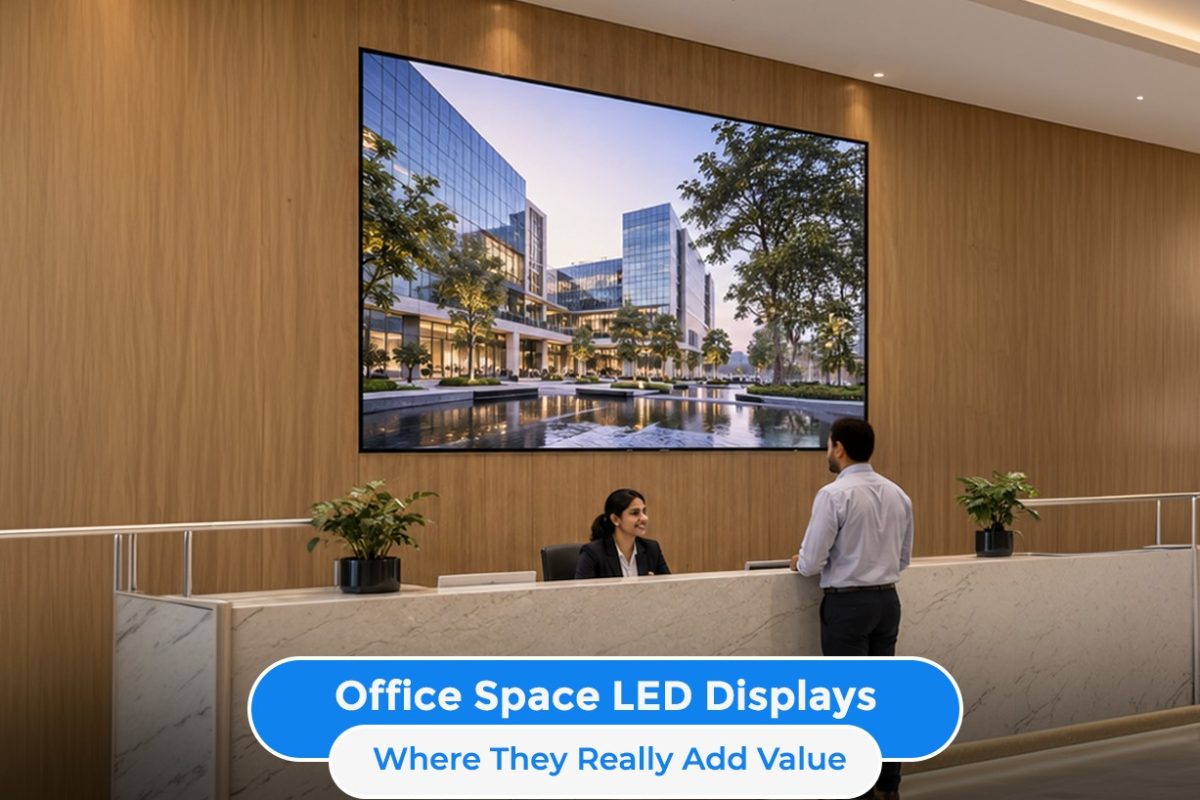
Active LED Video Walls are increasingly popular in corporate environments, particularly in command centers and control rooms. These spaces require real-time monitoring and quick access to large amounts of data, and Active LED Video Walls are perfect for displaying multiple sources of information on a single, large screen. In this context, the ability to show crisp and clear data from various sources is crucial, and LED technology ensures that information is visible even in challenging lighting conditions.

4. Sports and Stadiums

Sports arenas use Active LED Video Walls to display live game footage, replays, player statistics, and advertisements. These large-format displays help enhance the spectator experience by providing high-definition visuals and the ability to zoom in on key moments of the game. The flexibility of Active LED Video Walls also allows for different content to shown during breaks or halftime, such as sponsor advertisements or fan engagement activities.

5. Transportation and Public Spaces

From train stations to airports, Active LED Displays are transforming public spaces by providing travelers with real-time information, such as flight schedules, arrival/departure times, and emergency alerts. In addition, public service campaigns or advertisements can displayed on large video walls, ensuring that important messages reach a wide audience.

Conclusion

Active LED Displays and Active LED Video Walls represent the cutting edge of visual technology. With their ability to deliver high-quality, dynamic images with exceptional brightness, color accuracy, and energy efficiency, these systems have become indispensable tools in a wide array of industries. Their scalability, versatility, and superior performance make them ideal for everything from small retail installations to large-scale event productions. As technology continues to advance, we can expect even more innovations in LED display systems, further enhancing their capabilities and applications.

If you’re considering upgrading your digital signage, event display, or public communication system, investing in Active LED Displays or Active LED Video Walls is a forward-thinking choice that can provide long-lasting value and impact.

Revolutionizing Advertising with Private Ad Networks and Active LED Displays

Revolutionizing Advertising with Active LED Displays and Private Ad Networks

In the ever-evolving landscape of digital marketing, businesses are constantly seeking innovative ways to capture audience attention and deliver targeted advertising. Two key technologies driving this evolution are private ad networks and active LED displays. These tools are transforming how brands reach their audiences, offering greater control, precision, and impact in advertising campaigns.

This blog explores the role of private ad networks and active LED displays in modern advertising, highlighting their benefits, applications, and the synergy between these technologies.

Understanding Private Ad Networks

A private ad network is a closed advertising platform that allows businesses to serve ads to a specific audience across a curated selection of websites or digital properties. Unlike public ad networks, which serve ads across a vast array of sites with varying content, private ad networks offer advertisers greater control over where and how their ads are displayed.

This controlled environment is particularly beneficial for brands looking to maintain a high level of quality and relevance in their advertising. By choosing to place ads only on trusted, high-traffic websites, companies can ensure that their messages reach the right audience in a context that aligns with their brand values.

The Power of Active LED Displays

Active LED displays are high-definition digital screens that use light-emitting diodes (LEDs) to produce vibrant, dynamic images and videos. These displays are commonly used in various settings, including outdoor billboards, retail stores, stadiums, and corporate environments. The key advantage of active LED displays is their ability to deliver bright, eye-catching content that is visible even in direct sunlight.

The flexibility of active LED displays makes them ideal for a wide range of advertising applications. They can be configured in various sizes and shapes, from small indoor screens to massive outdoor billboards. This adaptability allows businesses to create visually striking displays that capture attention in both high-traffic areas and more intimate settings.

In addition to their visual appeal, active LED displays offer real-time content updates. Advertisers can quickly change the content displayed on these screens to reflect new promotions, events, or product launches. This ability to update content on the fly is crucial in today’s fast-paced market, where relevance is key to maintaining consumer interest.

The Synergy Between Private Ad Networks and Active LED Displays

When combined, private ad networks and active LED displays create a powerful synergy that enhances the effectiveness of advertising campaigns. This combination allows businesses to extend their reach while maintaining control over their brand message.

  1. Targeted Outdoor Advertising

By integrating private ad networks with active LED displays, businesses can deliver highly targeted ads to specific geographic locations. For example, a retail brand could use a private ad network to serve ads to consumers within a certain radius of their stores, then display those ads on nearby active LED billboards. This approach ensures that the ads are seen by a relevant audience, increasing the likelihood of driving foot traffic to the store.

  1. Dynamic Content Delivery

The ability to update content in real time is a significant advantage of active LED displays. When paired with a private ad network, this feature allows advertisers to deliver dynamic content that adapts to the audience’s preferences or external factors. For instance, a food delivery service could use weather data to display ads for hot beverages on cold days or ice cream on hot days, ensuring that the content is always relevant to the current conditions.

  1. Enhanced Brand Control

With private ad networks, businesses can choose the exact digital properties where their ads will appear, ensuring that their brand is associated only with high-quality, relevant content. When these ads are displayed on active LED screens, they not only reach a targeted audience but also do so in a visually impactful way. This combination enhances brand perception and ensures that the advertising message is delivered in the most effective manner possible.

  1. Increased Engagement and ROI

The combination of precise targeting and high-impact visual content leads to greater engagement rates. Consumers are more likely to notice and interact with ads that are relevant to them and presented in a visually appealing format. This increased engagement translates into higher conversion rates and a better return on investment (ROI) for advertising campaigns.

Conclusion

The combination of private ad networks and active LED displays represents a powerful toolset for modern advertisers. By leveraging the precision and control of private ad networks with the visual impact and flexibility of active LED displays, businesses can create highly effective advertising campaigns that resonate with their target audience.

Revolutionizing Advertising with Active LED and Digital Billboards

Revolutionizing Advertising with Active LED and Digital Billboards

Advertising has always been a dynamic field, constantly evolving to leverage the latest technologies to capture the attention of consumers. In recent years, the convergence of digital advancements and out-of-home (OOH) advertising has led to the rise of active LED and digital billboards. These cutting-edge mediums are revolutionizing the advertising landscape, offering unprecedented opportunities for creativity, engagement, and reach. In this comprehensive blog, we will explore the intricacies of active LED and digital billboards, their benefits, innovative uses, and future potential.

Understanding Active LED Technology

What is Active LED?

Active Light Emitting Diode (LED) technology involves the use of LEDs that emit light when an electrical current passes through them. Unlike traditional static billboards, active LED displays are capable of producing vibrant, high-resolution images and videos, making them ideal for dynamic advertising content. The key components of active LED systems include:

Advantages of Active LED in Advertising

  1. Brightness and Visibility: Active LED displays are exceptionally bright, ensuring visibility even in direct sunlight. This brightness makes them suitable for both day and night advertising.
  2. Color Accuracy and Quality: LEDs offer superior color accuracy and vibrancy compared to traditional billboards. This capability allows advertisers to present their brands in the best possible light.
  3. Durability and Longevity: LEDs are durable and have a long lifespan, often exceeding 100,000 hours of operation. This durability reduces maintenance costs and ensures continuous operation.
  4. Energy Efficiency: Modern LEDs are energy-efficient, consuming less power than traditional lighting solutions. This efficiency translates into cost savings and a smaller environmental footprint.
  5. Flexibility in Design: Active LED billboards can be customized to various shapes and sizes, offering flexibility in design and placement.

The Rise of Digital Billboards

Evolution of Digital Billboards

Digital billboards represent a significant evolution from traditional static billboards. Initially, billboards were limited to printed images, which were time-consuming and costly to update. The advent of digital technology has transformed billboards into versatile advertising platforms capable of displaying a wide range of content, including:

  • Static Images: High-resolution photographs and graphics.
  • Videos: Engaging video advertisements that capture viewers’ attention.
  • Interactive Content: Interactive displays that engage consumers through touch or motion sensors.
  • Real-Time Updates: Content that can be updated in real-time, such as news, weather, and social media feeds.

Benefits of Digital Billboards

  1. Dynamic Content: Digital billboards allow advertisers to display multiple ads in a rotation, maximizing the use of a single billboard space and increasing revenue potential.
  2. Targeted Advertising: Content can be tailored to specific times of day or audience demographics, enhancing the relevance and effectiveness of ads.
  3. Remote Management: Digital billboards can be managed remotely, allowing for quick updates and changes to content. This capability is particularly useful for time-sensitive campaigns.
  4. Interactivity: Some digital billboards incorporate interactive elements, such as QR codes, augmented reality (AR), and touchscreens, creating a more engaging experience for consumers.
  5. Analytics: Advanced digital billboards can collect data on viewer engagement and traffic patterns, providing valuable insights for advertisers.

Challenges and Considerations

Technical Challenges

  1. Power Consumption: Despite being more energy-efficient than traditional lighting, large-scale active LED displays still consume significant power, necessitating robust power management solutions.
  2. Weather Resistance: Digital billboards must be designed to withstand various weather conditions, including extreme temperatures, humidity, and precipitation.
  3. Maintenance: Regular maintenance is required to ensure the longevity and optimal performance of active LED displays. This maintenance includes cleaning, software updates, and repairs.

Regulatory Challenges

  1. Zoning Laws: Different regions have varying regulations regarding the placement and operation of digital billboards. Advertisers must navigate these laws to ensure compliance.
  2. Content Restrictions: Certain types of content may restricted or subject to approval by local authorities. Advertisers must be mindful of these restrictions to avoid penalties.
  3. Driver Distraction: Digital billboards have been criticized for potentially distracting drivers, leading to safety concerns. Regulations may limit the brightness and content rotation speed of billboards in certain areas.

The Future of Active LED and Digital Billboard Advertising

Technological Advancements

  1. MicroLED Technology: MicroLEDs offer even greater brightness, color accuracy, and energy efficiency than traditional LEDs. As this technology matures, it is expected to further enhance the quality and impact of digital billboard advertising.
  2. Artificial Intelligence (AI): AI can used to analyze viewer data and optimize content delivery in real-time. For example, AI algorithms can adjust ad content based on the demographics and behavior of viewers in the vicinity.
  3. 5G Connectivity: The rollout of 5G networks will enable faster and more reliable data transfer, facilitating more complex and interactive billboard content. This connectivity will also support the integration of real-time data and programmatic advertising.

Market Growth

The global digital billboard advertising market is projected to continue growing, driven by advancements in technology and increasing demand for dynamic and targeted advertising solutions. Key factors contributing to this growth include:

  • Urbanization: As more people move to urban areas, the concentration of potential consumers in cities creates lucrative opportunities for digital billboards.
  • Smart Cities: The development of smart cities, with their emphasis on connectivity and digital infrastructure, will likely incorporate digital billboard advertising as integral components of urban landscapes.
  • Brand Demand: Brands are increasingly seeking innovative ways to engage consumers, and digital billboards offer a compelling solution with their ability to display dynamic, high-impact content.

Conclusion

Active LED and digital billboard advertising are transforming the advertising industry, offering unparalleled opportunities for creativity, engagement, and reach. From the bustling streets of Times Square to the highways of major cities, these digital displays are capturing the attention of millions of consumers daily. As technology continues to advance, we can expect even more innovative uses and capabilities, cementing the role of active LED and digital billboards as essential tools in the modern marketer’s arsenal.

Advertisers who embrace these technologies well-positioned to create memorable and effective campaigns that resonate with their audiences. By staying abreast of emerging trends and navigating the associated challenges, brands can leverage active LED and digital billboard advertising to achieve their marketing objectives and drive business growth in an increasingly digital world.

The future of advertising is bright, dynamic, and digital, and active LED and digital billboard advertising are leading the way.

Active LED Screens and LED Display Technology

Exploring the Wonders of Active LED Screens and LED Display Technology

In the realm of visual communication, technology has played a pivotal role in transforming static displays into dynamic, vibrant experiences. LED display screens have emerged as trailblazers in this evolution, providing businesses, events, and public spaces with an unparalleled means of engaging their audience. In this blog post, we will delve into the fascinating world of active LED screens and LED display technology, exploring their applications, benefits, and the innovative ways in which they are reshaping visual communication.

Understanding Active LED Screens

Active LED display represent a cutting-edge advancement in display technology. Unlike traditional displays, which rely on passive technology, active LED screens incorporate light-emitting diodes (LEDs) that emit light when an electric current is applied. These screens are often characterized by their high brightness, vibrant colors, and the ability to display dynamic content with exceptional clarity.

Key Features of Active LED Screens:

Brightness and Visibility: Active LED screens are renowned for their high brightness levels, making them visible even in well-lit environments. This feature is particularly beneficial for outdoor advertising, storefront displays, and large-scale events.

Energy Efficiency: LED technology is inherently energy-efficient, consuming less power compared to traditional display technologies. This not only reduces operational costs but also aligns with sustainable practices, making LED screens an environmentally friendly choice.

Flexible Design and Customization: LED screens are available in various sizes and can be customized to fit specific spaces and requirements. This flexibility allows for creative and innovative display setups, making them ideal for diverse applications.

Durability and Longevity: LED screens are known for their robust construction and longevity. The absence of fragile components, such as filaments or glass tubes, contributes to their durability, making them suitable for both indoor and outdoor use.

LED Display Screen Technology

1. Pixel Pitch and Resolution:

Pixel pitch refers to the distance between individual pixels on an LED display screen. A smaller pixel pitch results in higher resolution and sharper image quality. This is crucial for applications where detailed visuals are essential, such as product showcases or video presentations.

2. Refresh Rate:

The refresh rate determines how frequently the image on the screen is redrawn per second. A higher refresh rate results in smoother motion, making LED screens suitable for applications like video playback and dynamic content.

3. Color Reproduction:

LED display screens offer impressive color reproduction capabilities. The technology allows for a wide color gamut, ensuring vibrant and accurate representation of images and videos.

4. Modularity and Scalability:

LED screens are often modular, allowing for easy customization and scalability. This modular design enables users to create displays of various sizes and configurations, making them suitable for both small-scale installations and large-scale productions.

Benefits of LED Display Screen Technology

Dynamic Content Delivery: LED display screens enable the seamless delivery of dynamic content, capturing attention and conveying messages effectively. This is especially advantageous in environments where information needs to be updated frequently.

Versatility in Design: The flexibility and customization options of LED display screens allow for versatile design possibilities. Businesses can create unique and eye-catching displays that align with their brand identity and communication goals.

Energy Efficiency: LED technology is inherently energy-efficient, consuming less power compared to traditional display technologies. This not only reduces operational costs but also contributes to sustainability efforts.

Longevity and Reliability: LED display screens are known for their durability and longevity. With no fragile components like filaments or glass tubes, these screens can withstand the rigors of continuous operation, making them a reliable choice for various applications.

High Visibility in Various Environments: The high brightness levels of LED screens ensure visibility in various environments, including well-lit outdoor spaces. This makes them suitable for applications such as outdoor advertising, sports stadiums, and storefront displays.

Best Practices for Implementing LED Display Screens

Define Clear Objectives: Clearly outline your communication goals and objectives before implementing LED display screens. Understanding the purpose of the display will guide content creation and overall strategy.

Consider Environment and Placement: Assess the environmental conditions and placement of LED screens. Factors such as ambient lighting, viewing distances, and potential obstructions should be considered to optimize visibility and impact.

Content Strategy and Design: Develop a content strategy that aligns with your brand identity and communication goals. Ensure that visuals are designed with the display’s specifications in mind, considering factors like resolution and color reproduction.

Regular Maintenance and Updates: Implement a regular maintenance schedule to ensure that LED screens are functioning optimally. Keep content updated to prevent stagnation and to align with changing communication needs.

User Training and Support: Provide training to content creators and administrators to ensure proficiency in managing and updating content on LED display screens. This includes understanding the features and capabilities of the display technology.

Conclusion

Active LED screens and LED display technology have redefined the landscape of visual communication, offering businesses and organizations unprecedented opportunities to engage, inform, and captivate their audience. From vibrant outdoor advertising to immersive entertainment experiences, the applications of LED display screens are diverse and continually evolving. The technological advancements, versatility in design, and energy-efficient nature of LED screens make them a preferred choice for a wide range of industries.