
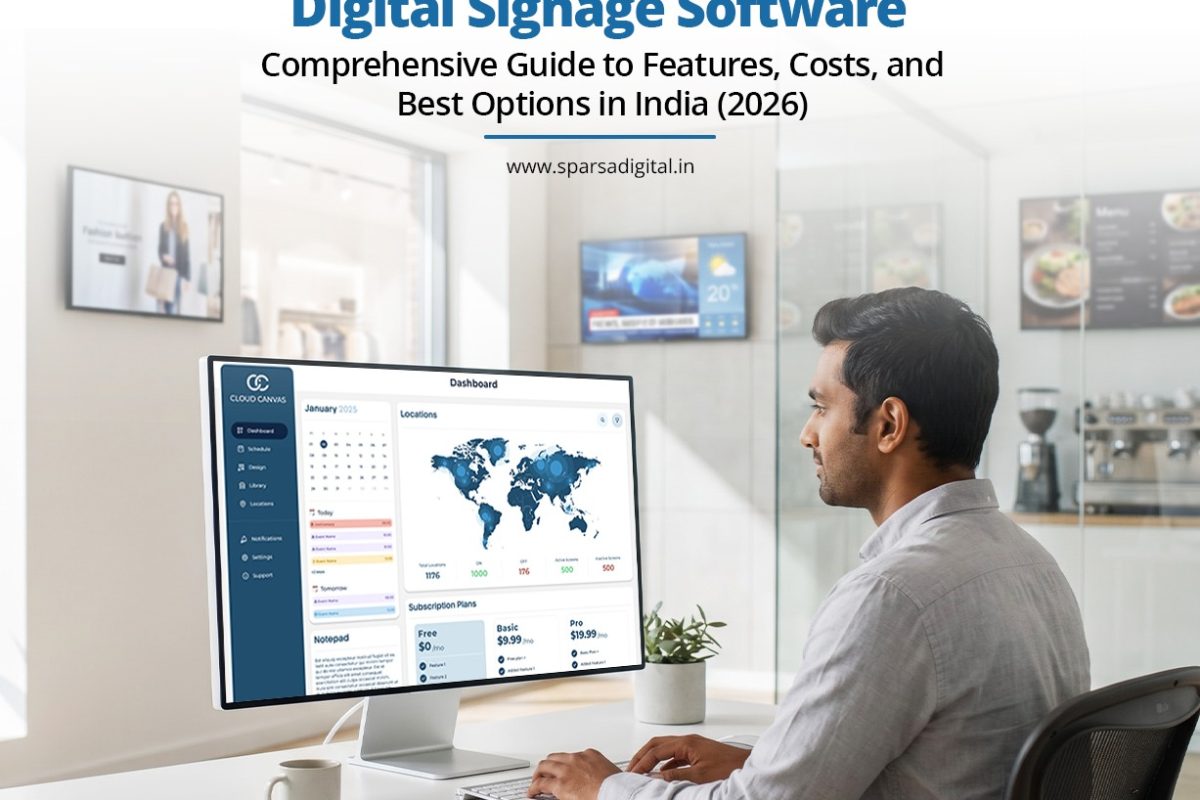
Communication with Digital Notice Boards and Digital Signage Software

Transforming Communication with Digital Notice Boards and Digital Signage Software

In today’s fast-paced and technology-driven world, traditional communication methods are no longer enough to capture attention and convey messages effectively. Whether in schools, workplaces, public spaces, or retail environments, businesses and institutions are increasingly adopting digital solutions to keep their audiences informed, engaged, and connected. Among these innovative solutions, digital notice boards and digital signage software are leading the way, revolutionizing how information is displayed and managed.

In this blog, we’ll explore the benefits and functionalities of digital notice boards and digital signage software, and how they are transforming communication in various industries. We’ll also dive into real-world case studies that illustrate the success of these technologies in different settings.

What Are Digital Notice Boards?

A digital notice board is an electronic display used to convey important messages, announcements, and information in various settings. These digital displays are usually placed in high-traffic areas such as offices, schools, hospitals, airports, and retail stores. Unlike traditional notice boards that require physical updates (e.g., printing and pinning new notices), digital notice boards allow for real-time updates and dynamic content, making them far more efficient and effective in delivering timely information.

Digital notice boards typically feature:

  1. High-Resolution Displays: These screens are equipped with vibrant and high-quality visuals, allowing for clearer communication even in crowded or noisy environments.
  2. Remote Management: Through connected software, users can manage and update content from any location, allowing for quick changes without the need to visit each display physically.
  3. Interactive Capabilities: Some digital notice boards allow for touch interaction, enabling users to navigate through various messages, images, or videos.
  4. Real-Time Information: These boards can be integrated with live data sources to display up-to-the-minute information such as news, weather, stock updates, or event schedules.
  5. Customization: Businesses can tailor the content displayed on digital notice boards based on the target audience, location, or even time of day.

The Role of Digital Signage Software

Digital signage software is the platform that powers digital notice boards. It allows users to create, schedule, and manage content on one or more digital screens from a centralized location. Whether it’s a single display in an office lobby or hundreds of screens across multiple locations, digital signage software provides businesses with an efficient and streamlined way to manage and update content.

Key functionalities of digital signage software include:

  1. Content Creation and Design: Most digital signage software comes with built-in templates and design tools, making it easy for businesses to create visually appealing and engaging content without needing advanced design skills.
  2. Content Scheduling: Users can schedule content to be displayed at specific times, ensuring that relevant information is shown at the right moment. For example, businesses can schedule lunch specials on digital notice boards in restaurants, or update event information on a campus display.
  3. Remote Content Management: Digital signage software enables remote management, meaning content can be updated and modified without needing to physically visit each display. This is especially beneficial for organizations with multiple locations or large facilities.
  4. Multimedia Support: Digital signage software supports various forms of media, including videos, images, social media feeds, live news, and weather updates, providing endless possibilities for content variety.
  5. Analytics and Reporting: Some advanced software platforms offer detailed analytics, allowing businesses to track viewer engagement, content performance, and overall system efficiency.

Benefits of Digital Notice Boards and Digital Signage Software

The combination of digital notice boards and digital signage software offers numerous advantages, making it an attractive solution for businesses and organizations. Here are some of the key benefits:

1. Efficient Communication

One of the most significant advantages of digital notice boards is the ability to communicate efficiently. Whether it’s in a school, office, or public space, businesses can update messages in real-time, ensuring that critical information, such as safety alerts, schedule changes, or announcements, is delivered promptly and accurately. This eliminates the delays associated with manual updates and printed materials.

In environments like offices, digital notice boards can streamline internal communication by displaying important updates, meeting schedules, and employee recognition in a visually appealing way. In schools, digital notice boards can display class schedules, exam dates, or extracurricular activities, ensuring students and staff are always in the loop.

2. Cost-Effectiveness

Traditional notice boards require constant physical updates, such as printing and pinning new posters or flyers, which can be costly over time. With digital signage, the content can be updated instantly and remotely, reducing the need for physical printing and distribution.

Moreover, digital notice boards are durable and designed to last longer, meaning they require less maintenance compared to traditional boards. In the long run, this can lead to significant cost savings for businesses, especially those with multiple locations or large facilities.

3. Engagement and Interaction

Digital notice boards provide businesses with the opportunity to engage customers, employees, or visitors through dynamic content. The visual appeal of moving images, videos, and animations can capture attention far more effectively than static images or printed text. Whether it’s an eye-catching advertisement in a retail store or a visual schedule in an office, digital signage keeps audiences engaged and informed.

Interactive features, such as touchscreens, can also be integrated into digital notice boards, enabling users to interact with the displayed content. For example, in a retail setting, customers can browse through product catalogs, check store promotions, or even check out product reviews.

4. Customization and Targeted Messaging

Digital signage software allows businesses to tailor content for specific audiences. For example, a digital notice board in a waiting room can display relevant information for visitors, such as wait times, services offered, or upcoming events. In contrast, a digital notice board in a corporate office could show internal memos, meeting schedules, and company news for employees.

This customization makes digital signage more relevant and impactful for the audience, ensuring that they receive the information they need when they need it.

5. Improved Brand Visibility

Digital notice boards are visually striking and can enhance brand visibility. Businesses can use them to display their logo, promote products, or showcase brand messaging. For retail environments, digital notice boards can be used for in-store promotions, sales events, or seasonal advertisements, creating a more immersive shopping experience.

Conclusion

Digital notice boards and digital signage software have quickly become indispensable tools for modern communication across various industries. Whether in educational institutions, corporate offices, retail environments, or public spaces, these technologies offer numerous benefits, including real-time content updates, cost savings, improved engagement, and enhanced brand visibility.

By combining the visual appeal of digital notice boards with the flexibility and control offered by digital signage software, businesses can create a more dynamic and effective communication strategy. As these technologies continue to evolve, we can expect even more innovative and creative uses that will redefine the way we share and receive information.

Advertising with LED Advertising Boards and Digital Signage Software

Revolutionizing Advertising with LED Advertising Boards and Digital Signage Software

In the digital age, advertising has evolved beyond traditional methods like print and billboards to more dynamic, engaging, and interactive forms of communication. Among these advancements, LED advertising boards and digital signage software stand out as powerful tools that allow businesses to display visually captivating content while maintaining flexibility and real-time control. These technologies are changing the way brands interact with their audiences, creating more immersive experiences and driving better results.

What Are LED Advertising Boards?

LED advertising boards are large digital screens that use Light Emitting Diodes (LEDs) to display high-quality visuals, including videos, animations, and static images. These displays are known for their bright and vibrant colors, which make them ideal for outdoor and indoor advertising. LED boards are used in a variety of settings such as shopping malls, airports, stadiums, bus stations, and corporate offices.

The advantages of LED advertising boards include:

  1. High Visibility: LED screens are incredibly bright and clear, making them visible even in direct sunlight. This makes them ideal for outdoor advertising in areas with heavy foot traffic or high visibility.
  2. Energy Efficiency: LEDs are known for their energy efficiency compared to traditional display technologies. This makes LED boards a cost-effective option for long-term use.
  3. Dynamic Content: Unlike traditional signage, LED advertising boards can display dynamic, high-resolution content such as videos, graphics, and real-time data, helping to capture the audience’s attention.
  4. Flexibility: LED boards can be easily updated to display new content, which means businesses can change their advertisements as often as they want without incurring high printing or installation costs.
  5. Durability: LED boards are designed to withstand various environmental conditions, making them suitable for both indoor and outdoor use.

The Role of Digital Signage Software

Digital signage software is the backbone that powers LED advertising boards, enabling businesses to manage and control their content remotely. This software provides a centralized platform where users can upload, schedule, and display content on digital screens. Whether for advertising, wayfinding, or public information, digital signage software ensures that the content is shown consistently and updated as needed.

Key benefits of digital signage software include:

  1. Remote Management: With digital signage software, businesses can control content on multiple screens from a central location, which eliminates the need for on-site staff to update displays manually.
  2. Real-Time Updates: The software allows businesses to update content in real time, ensuring that advertisements, promotions, or messages are always relevant and current.
  3. Content Scheduling: Digital signage software enables businesses to schedule content to be displayed at specific times. This feature is particularly useful for time-sensitive promotions or events.
  4. Customization and Personalization: Advanced software solutions offer the ability to customize the content for specific target audiences, locations, or even real-time data integration, such as weather forecasts, news, or social media feeds.
  5. Analytics: Many digital signage software platforms offer detailed analytics, which helps businesses track the performance of their content and measure customer engagement. This data can be used to optimize future campaigns and improve overall marketing strategies.

Case Studies: Successful Implementations of LED Advertising Boards and Digital Signage Software

Let’s take a look at some successful case studies of businesses that have leveraged LED advertising boards and digital signage software to enhance their advertising strategies.

1. Retail – Coca-Cola at the Times Square Billboard

One of the most famous examples of using LED advertising boards is Coca-Cola’s use of the giant LED screen in New York’s Times Square. Coca-Cola has integrated dynamic content into its advertising strategy using high-definition video and interactive displays on this massive billboard. The content changes depending on the time of day, current events, and local weather, providing a personalized experience for viewers.

Coca-Cola uses digital signage software to manage the content on the Times Square LED board, allowing them to update their messaging in real time and schedule special campaigns for different times of the day. This allows Coca-Cola to target different audiences at different moments, driving engagement and maximizing the impact of their advertising.

2. Public Transportation – London Underground

The London Underground implemented LED advertising boards in various stations to provide real-time updates, advertisements, and public service announcements. These displays are connected to a central digital signage platform, allowing the transit authority to update schedules, news, and emergency information as needed.

The digital signage software enables the transportation authority to manage content across multiple locations in real-time. If there’s a delay, for example, the content on the LED boards can be updated instantly to inform passengers about the delay and provide alternative routes or transport options. This system enhances the overall passenger experience and ensures that important information reaches commuters quickly and efficiently.

3. Entertainment – Sports Stadiums and Arenas

Sports stadiums and arenas have also embraced LED advertising boards to engage fans and promote events. The software used in these settings allows organizers to display live game scores, player statistics, sponsor advertisements, and event promotions. In large stadiums with thousands of fans, these dynamic boards serve as powerful tools for grabbing attention and enhancing the atmosphere.

One notable example is the use of LED boards in major stadiums like the Staples Center in Los Angeles. The arena uses digital signage software to manage content across dozens of LED screens, creating an immersive and interactive experience for fans. The content is updated in real-time to reflect the progress of games, highlight player achievements, and deliver engaging advertisements.

4. Hospitality – Hotels and Resorts

Hotels and resorts are increasingly using LED advertising boards to enhance the guest experience. These digital displays can show information about hotel amenities, upcoming events, dining options, and local attractions. By using digital signage software, hotels can ensure that their content is always fresh and relevant, updating in real-time as necessary.

For example, the Marriott Hotels Group has implemented LED boards in their lobbies and conference rooms, allowing them to deliver personalized content to guests. Digital signage software makes it easy for Marriott to manage content across multiple properties, ensuring consistency while allowing for customization based on location or event.

Conclusion

LED advertising boards combined with digital signage software are revolutionizing the way businesses advertise and communicate with their audiences. These technologies offer businesses the ability to display dynamic content in real time, engage customers more effectively, and manage advertising campaigns across multiple locations with ease. The flexibility and scalability of LED boards and digital signage software make them a valuable asset for companies looking to enhance their brand presence and drive customer engagement.

As demonstrated by the case studies mentioned, businesses across a wide range of industries are already reaping the benefits of these technologies. From retail and transportation to entertainment and hospitality, LED advertising boards and digital signage software are transforming the way brands communicate with their audiences, ensuring they stay ahead in an increasingly digital world.

The-Impact-of-LED-Display-Boards-and-Digital-Signage-Software-on-Modern-Business-Communications-

The Impact of LED Display Boards and Digital Signage Software

In today’s fast-paced world, businesses are constantly seeking innovative ways to capture attention, engage audiences, and deliver effective messaging. One of the most powerful tools that have emerged in this area is the LED display board, especially when paired with advanced digital signage software. This combination offers businesses a dynamic and efficient way to communicate with their target audience, whether through advertising, information dissemination, or brand building.

This blog explores how LED display boards and digital signage software are transforming communication strategies for businesses, their advantages, and how to leverage them for maximum impact.

What Are LED Display Boards?

An LED display board is a digital display technology that uses light-emitting diodes (LEDs) to produce high-quality visuals. Unlike traditional signage, which relies on static printed materials, LED display boards offer vibrant, dynamic, and customizable content that can updated in real time. These displays come in various sizes and formats, including outdoor and indoor versions, making them suitable for a wide range of applications from retail spaces and corporate offices to outdoor billboards.

LEDs are known for their energy efficiency, long lifespan, and ability to deliver bright visuals even in direct sunlight. Because of these characteristics, LED display boards have become the preferred choice for businesses aiming to communicate messages with clarity and impact.

The Role of Digital Signage Software

While LED display boards are an essential component of modern digital signage, the digital signage software is the brain that controls and manages what is displayed on these screens. Digital signage software allows businesses to design, schedule, and update content displayed on LED display boards remotely.

Through this software, businesses can control multiple screens from a single point, ensuring a seamless and consistent experience for viewers. The content can range from text and images to videos, animations, and even live feeds. The software offers features like real-time content management, scheduling, and analytics, allowing businesses to adapt their messaging to specific times of day, audience preferences, and promotional campaigns.

In essence, digital signage software acts as a centralized platform for controlling digital signage content across various locations, simplifying content management and reducing the need for manual intervention.

Advantages of LED Display Boards for Businesses

  1. Increased Visibility and Engagement – LED display boards attract attention more effectively than traditional signage. Their bright, dynamic visuals can seen from long distances, making them ideal for busy retail environments, event venues, or outdoor advertising. The use of motion graphics, videos, and high-definition images engages viewers in a way static displays cannot match.
  2. Flexibility and Customization – One of the most significant benefits of LED display boards is their ability to display a wide range of content formats, from advertisements and promotions to news, weather updates, and event schedules. This flexibility allows businesses to tailor their messaging based on the time of day, target audience, or specific campaigns. For instance, a store can showcase different promotions in the morning, afternoon, and evening to reach various customer segments effectively.
  3. Cost-Effectiveness in the Long Run – While the initial investment in LED display boards can be substantial, their energy efficiency and long lifespan make them a cost-effective solution over time. Unlike traditional billboards that require constant updates and printing, LED display boards enable businesses to make instant changes without additional costs, saving money on printing and labor.
  4. Improved Brand Image – Businesses that use LED display boards can create a modern, innovative, and tech-savvy brand image. The dynamic nature of digital signage helps reinforce a forward-thinking, cutting-edge approach, which is particularly important in competitive industries like retail, hospitality, and entertainment.
  5. Enhanced Customer Experience – Digital signage is an excellent way to improve the customer experience. LED display boards can used to provide useful information such as directions, product availability, or real-time promotions. In retail stores, for example, LED displays can show product demonstrations or customer reviews, enhancing the shopping experience and encouraging purchase decisions.

How Digital Signage Software Maximizes the Impact of LED Display Boards

Real-Time Content Updates

One of the most significant advantages of digital signage software is the ability to update content remotely and instantly. Businesses no longer need to print new posters or flyers to update their messaging. With a few clicks, they can change what’s displayed on all connected LED display boards. This is particularly useful for time-sensitive promotions or events that require immediate updates, such as flash sales, breaking news, or emergency announcements.

Content Scheduling

Digital signage software allows businesses to schedule content in advance, ensuring that the right message is displayed at the right time. For example, a shopping mall may schedule promotional videos to displayed during peak shopping hours or set up informational displays during off-peak hours to provide directions or store information. This scheduling feature maximizes the effectiveness of LED display boards, ensuring they are always showing relevant and timely content.

Remote Management

With digital signage software, businesses can manage LED display boards remotely, whether they are located in the same building or across multiple locations. This centralized control makes it easy to ensure consistency across all displays, regardless of their physical location. For businesses with multiple branches or franchises, this feature is essential for maintaining brand consistency.

Interactive Capabilities

Modern digital signage software often includes features that allow for interactive elements, turning LED display boards into engaging, user-friendly touchpoints. For instance, interactive kiosks can integrated into retail stores, allowing customers to browse products, check inventory, or access personalized offers. This interactivity enhances customer engagement and provides a more immersive experience.

Analytics and Insights

Many digital signage software platforms include built-in analytics tools that track viewer engagement, content performance, and overall effectiveness. These insights allow businesses to understand which content resonates best with their audience and make data-driven decisions to improve their strategies. For example, a business can analyze foot traffic data to determine when a particular promotional video or ad performed best, optimizing the content for future campaigns.

Integration with Other Marketing Tools

Digital signage software can integrate seamlessly with other marketing tools and platforms, such as social media feeds, customer loyalty programs, or point-of-sale systems. For example, integrating social media content into LED display boards can help businesses showcase user-generated content, increasing customer engagement and promoting a sense of community.

Use Cases for LED Display Boards and Digital Signage Software

  1. Retail

In retail environments, LED display boards are often used to showcase product promotions, advertisements, and brand messaging. With the help of digital signage software, retailers can update their displays in real time to highlight new arrivals, flash sales, or seasonal promotions. The flexibility of digital signage ensures that content can personalized based on customer preferences, creating a more engaging shopping experience.

  1. Corporate Environments

LED display boards in corporate settings can used for internal communication, such as displaying announcements, meeting schedules, or company news. By using digital signage software, companies can ensure that their employees are always informed and up-to-date on important information, enhancing overall productivity and communication within the organization.

  1. Hospitals and Healthcare

In healthcare facilities, LED display boards are commonly using for patient information, directions, and announcements. They help improve the overall patient experience by providing clear, concise, and easily accessible information in real time. Digital signage software allows healthcare providers to update content as needed, such as notifying patients of changes to appointment schedules or providing emergency alerts.

  1. Hospitality and Entertainment

In the hospitality industry, LED display boards can used for wayfinding, event listings, or promotional messages. Whether in hotels, airports, or entertainment venues, digital signage software helps ensure that the right content is displayed to the right audience, at the right time.

Conclusion

The combination of LED display boards and digital signage software offers businesses an unprecedented opportunity to communicate effectively with their audience. By utilizing these tools, businesses can create dynamic, engaging, and cost-effective communication strategies that drive customer engagement, increase brand awareness, and improve operational efficiency.

As the world becomes increasingly digital, the role of this in business communication will only continue to grow. With the right digital signage software, businesses can transform how they interact with customers, providing relevant, timely, and engaging content that leaves a lasting impression.

Whether for retail, hospitality, corporate environments, or healthcare, the versatility and impact of LED display boards and digital signage software are clear. Businesses that embrace these technologies will well-positioned to thrive in the digital age.

Elevating Communication The Power of Digital Signage Software and Displays (1)-min

Elevating Communication: The Power of Digital Signage Software and Displays

In today’s fast-paced, technology-driven world, effective communication is more critical than ever. Businesses, organizations, and institutions are continually seeking innovative ways to convey messages and engage with their audiences. Enter digital signage software and digital signage displays—game-changing tools that transform how information is shared. This blog delves into the benefits, functionalities, and future of digital signage, showcasing why investing in these technologies is essential for modern communication strategies.

Understanding Digital Signage

What is Digital Signage?

Digital signage refers to electronic displays used to showcase content, information, and advertisements. These displays can be found in various environments, including retail stores, corporate offices, transportation hubs, educational institutions, and healthcare facilities. Digital signage solutions typically consist of screens, digital signage software, and content management systems that allow users to create, schedule, and manage content effortlessly.

The Role of Digital Signage Software

Digital signage software acts as the backbone of digital signage systems. It enables users to design content, schedule displays, and manage multiple screens from a centralized platform. This software varies in complexity and features, catering to different business needs, from simple content displays to advanced interactive experiences.

Benefits of Digital Signage

1. Enhanced Communication

Digital signage allows for dynamic communication, delivering timely information to target audiences. Whether it’s promoting sales, sharing news, or providing wayfinding assistance, digital signage can convey messages more effectively than traditional static signs.

2. Increased Engagement

Interactive digital signage displays can engage audiences in ways that static displays cannot. Touchscreen technology allows users to interact with content, leading to higher retention rates and a more memorable experience.

3. Cost-Effectiveness

While the initial investment in digital signage software and displays may be higher than traditional signage, the long-term savings are significant. Digital signage eliminates the need for printing and replacing physical signs, allowing businesses to update content instantly and without additional costs.

4. Flexibility and Scalability

Digital signage systems can be easily scaled to meet the needs of a growing business. Whether you want to add more displays or expand content offerings, digital signage solutions can adapt quickly. This flexibility is especially beneficial for businesses with multiple locations, as they can manage all displays from a single platform.

5. Real-Time Updates

With digital signage software, businesses can update their content in real-time. This capability is particularly useful for industries like retail, where promotions change frequently. Digital signage allows businesses to react promptly to market trends, customer behaviours, and urgent messages.

Key Features of Digital Signage Software

1. User-Friendly Interface

Modern digital signage software typically offers an intuitive, user-friendly interface that allows users to create and manage content without extensive technical knowledge. Drag-and-drop functionality and customizable templates streamline the design process, making it accessible for everyone.

2. Content Scheduling

One of the most valuable features of digital signage software is its ability to schedule content for specific times and dates. This feature allows businesses to plan promotional campaigns in advance, ensuring that the right messages reach the audience at the right time.

3. Remote Management

Many digital signage solutions provide remote management capabilities, enabling users to control displays from anywhere with internet access. This feature is particularly beneficial for businesses with multiple locations, as it allows for centralized management of all digital signage displays.

4. Interactive Capabilities

Interactive digital signage displays take audience engagement to the next level. With touchscreens, users can navigate through content, access additional information, and even participate in surveys or contests, enhancing the overall experience.

5. Analytics and Reporting

Understanding the effectiveness of digital signage campaigns is crucial. Many digital signage software solutions come with analytics tools that track viewer engagement, content performance, and audience demographics. This data helps businesses refine their strategies for better results.

Choosing the Right Digital Signage Solution

When selecting digital signage software and displays, several factors should be considered:

1. Business Needs

Evaluate what you want to achieve with digital signage. Are you looking to promote products, provide information, or engage customers? Understanding your objectives will help you choose the right solution.

2. Scalability

Choose a digital signage solution that can grow with your business. If you plan to expand or add more displays in the future, ensure the software can accommodate these changes without significant upgrades.

3. Integration Capabilities

Look for software that integrates well with your existing systems, such as customer relationship management (CRM) tools, social media platforms, and content management systems. Integration can enhance functionality and streamline processes.

4. Support and Training

Consider the level of support and training provided by the software vendor. Comprehensive training resources and responsive customer support are essential for ensuring successful implementation and ongoing usage.

5. Cost

While digital signage can save money in the long run, it’s essential to consider the initial investment. Evaluate the total cost of ownership, including hardware, software licenses, and any additional fees for content creation or updates.

Applications of Digital Signage

1. Retail

Retail businesses use digital signage to showcase promotions, highlight new products, and provide information about store events. Interactive displays can also enhance the shopping experience by guiding customers through the store.

2. Corporate Communication

In corporate environments, digital signage is an effective tool for internal communication. Companies can display important announcements, share employee achievements, and provide updates on projects and events.

3. Education

Educational institutions use digital signage to share announcements, display schedules, and provide wayfinding assistance. Interactive displays can enhance learning experiences by engaging students with educational content.

4. Transportation

Airports, train stations, and bus terminals utilize digital signage to provide real-time information about arrivals and departures. These displays improve passenger experience and enhance operational efficiency.

5. Healthcare

Hospitals and clinics use digital signage to provide important information to patients and visitors. Displays can share wait times, health tips, and wayfinding assistance, improving overall patient experience.

Conclusion

In an era where communication methods are rapidly evolving, digital signage software and displays stand out as powerful tools for engaging audiences and enhancing information dissemination. By investing in these technologies, businesses can transform their communication strategies, leading to increased engagement, improved customer experiences, and a stronger brand presence.

As digital signage continues to advance, staying informed about the latest trends and technologies is essential for businesses looking to leverage its full potential. Whether you’re a retailer, educator, corporate entity, or healthcare provider, digital signage offers endless possibilities for enhancing communication and connecting with your audience.

Embrace the future of communication with digital signage software and displays, and watch your organization thrive in a visually driven world!

Unlocking the Power of CMS and Digital Signage Software for Effective Communication

Unlocking the Power of CMS and Digital Signage Software for Effective Communication

In today’s fast-paced digital world, staying ahead in the game means embracing technology that enables seamless and dynamic communication. Two critical tools in this realm are Content Management Systems (CMS) and digital signage software. Both play pivotal roles in delivering engaging content and managing digital displays effectively. This blog explores how leveraging CMS and digital signage software can transform your communication strategy, streamline operations, and enhance audience engagement.

The Synergy Between CMS and Digital Signage Software

Integrating CMS with digital signage software can significantly enhance your communication strategy. Here’s how:

  1. Streamlined Content Management
    A CMS provides a centralized platform for managing all your digital content, including text, images, and videos. When integrated with digital signage software, this centralization extends to your digital displays. Instead of managing content separately for your website and digital signage, you can use your CMS to push updates directly to your screens. This integration ensures consistency across all channels and saves time by eliminating the need for duplicate content management efforts.
  2. Efficient Content Scheduling and Automation
    Digital signage software offers robust scheduling capabilities, allowing you to automate content updates on your screens. When paired with a CMS, you can schedule content in advance and manage it from a single interface. For example, if you’re running a promotional campaign, you can prepare all the content in your CMS, set the schedule in your digital signage software, and let the system automatically update your displays at the designated times. This efficiency is especially valuable for businesses with multiple locations or those that require frequent content changes.
  3. Enhanced Audience Engagement
    Combining CMS and digital signage software enables more interactive and engaging experiences for your audience. You can create compelling content in your CMS and push it to your digital displays, including interactive elements like polls, quizzes, and real-time social media feeds. This integration helps create a cohesive experience across your digital platforms, fostering higher engagement and interaction with your audience.
  4. Real-Time Updates and Flexibility
    The ability to make real-time updates is a significant advantage of digital signage software. When integrated with a CMS, you can quickly update content across all digital displays from a single platform. This capability is particularly useful for time-sensitive information such as news updates, emergency notifications, or live event coverage. With real-time updates, you ensure that your audience always receives the most current and relevant information.
  5. Data-Driven Insights and Analytics
    Both CMS and digital signage software can provide valuable insights into content performance and audience engagement. By analyzing data from your digital signage software, you can track metrics such as viewer interaction, dwell time, and content effectiveness. When combined with analytics from your CMS, you gain a comprehensive understanding of how your content performs across different channels. This data-driven approach allows you to refine your content strategy and make informed decisions based on real-world performance.

Best Practices for Integrating CMS with Digital Signage Software

  1. Choose Compatible Platforms
    When integrating CMS with digital signage software, ensure that the platforms you select are compatible and can seamlessly work together. Many modern CMS and digital signage solutions offer built-in integration capabilities or API support. Choosing compatible platforms will facilitate smoother data exchange and synchronization between your content management and digital display systems.
  2. Maintain Content Consistency
    Consistency is key to effective communication. Ensure that the content you create in your CMS is consistent with what’s displayed on your digital signage. This consistency helps reinforce your messaging and brand identity. Use templates and standardized formats in your CMS to maintain uniformity across different channels and digital displays.
  3. Leverage Automated Workflows
    Take advantage of automated workflows offered by digital signage software to streamline content updates. Set up automated processes for content publishing, scheduling, and rotation. This automation reduces manual effort and ensures that your content is always up-to-date without requiring constant intervention.
  4. Regularly Monitor and Update Content
    Even with automated updates, it’s important to regularly monitor and refresh your content. Outdated or irrelevant content can detract from the effectiveness of your digital signage. Regularly review your content in both your CMS and digital signage software to ensure it remains engaging and aligned with your current messaging and objectives.
  5. Train Your Team
    Proper training is essential for maximizing the benefits of CMS and digital signage software. Ensure that your team is well-versed in using both platforms and understands how to manage and update content efficiently. Training will help avoid common pitfalls and ensure that your digital communication strategy runs smoothly.

Conclusion

The integration of Content Management Systems (CMS) and digital signage software represents a powerful combination for modern communication strategies. By leveraging the strengths of both tools, businesses can streamline content management, enhance audience engagement, and make real-time updates with ease. Whether you’re looking to manage digital displays in retail environments, corporate lobbies, or public spaces, the synergy between CMS and digital signage software offers a versatile and effective solution.

Embrace these technologies to transform your communication approach, deliver compelling content, and stay ahead in a digitally driven world. With the right integration and best practices, you can unlock the full potential of CMS and digital signage software, driving more meaningful interactions and achieving your business objectives with greater efficiency.

Digital-Signage-Solutions-and-Software

Revolutionizing Communication: A Deep Dive into Digital Signage Solutions and Software

In an era marked by rapid technological advancements, the landscape of communication has undergone a significant transformation. One notable innovation that has gained widespread adoption across various industries is digital signage. This blog aims to provide a comprehensive exploration of digital signage solutions and software, shedding light on their evolution, key features, applications, and future trends.

Understanding Digital Signage

Digital signage refers to the use of digital displays to convey information, advertisements, or messages to a targeted audience. Unlike traditional static signage, digital signage allows for dynamic content delivery, enabling organizations to engage their audience more effectively. The roots of digital signage can be traced back to the early 2000s when advancements in display technology paved the way for its emergence.

Evolution of Digital Signage Solutions

The journey of digital signage solutions begins with the transition from static to dynamic displays. Early implementations were often limited to simple text and graphics. However, as technology progressed, so did the capabilities of digital signage solutions. High-definition displays, touch-screen interactivity, and integrated audio features became commonplace, enhancing the overall user experience.

The integration of connectivity options, such as Wi-Fi and Bluetooth, further expanded the functionality of digital signage solutions. This allowed for real-time content updates, remote management, and the seamless integration of various devices into a cohesive digital signage network.

Key Components of Digital Signage Solutions

To truly understand the power of digital signage, it is essential to grasp the key components that make up a comprehensive solution:

  • Hardware: The display screens, media players, and other physical components constitute the hardware of a digital signage system. The evolution of display technology, including LED and OLED, has played a pivotal role in enhancing visual quality and versatility.
  • Software: Digital signage software serves as the brain of the system, facilitating content creation, scheduling, and distribution. Cloud-based solutions have become increasingly popular, offering scalability, flexibility, and remote management capabilities.
  • Content Creation Tools: Engaging content is at the heart of any successful digital signage strategy. Content creation tools empower users to design visually appealing and impactful messages tailored to their audience.
  • Content Management Systems (CMS): CMS enables the organization and scheduling of content, ensuring that the right message reaches the right audience at the right time. User-friendly interfaces and analytics features are integral aspects of modern CMS.
  • Connectivity and Integration: The ability to connect and integrate with other systems, such as databases, social media feeds, and third-party applications, enhances the versatility of digital signage solutions.

Applications Across Industries

The versatility of digital signage solutions transcends industry boundaries. Various sectors have embraced this technology to enhance communication, engage audiences, and streamline operations:

  • Retail: Digital signage in retail environments serves as a powerful tool for advertising, brand promotion, and enhancing the overall shopping experience. Interactive displays and personalized content contribute to increased customer engagement.
  • Hospitality: In hotels and restaurants, digital signage is utilized for wayfinding, menu displays, event promotions, and guest communication. The dynamic nature of digital signage allows for real-time updates and customization based on the time of day or special occasions.
  • Education: Educational institutions leverage digital signage for campus communication, event promotion, and as an interactive learning tool. It provides a dynamic platform for disseminating information to students, faculty, and visitors.
  • Healthcare: In healthcare settings, digital signage is employed for patient communication, wayfinding, and displaying critical information such as wait times and health tips. The adaptability of digital signage is particularly beneficial in environments where information needs to be regularly updated.
  •  Corporate Communication: Businesses use digital signage to enhance internal communication, display key performance indicators, and broadcast company news. Meeting room signage and employee recognition programs are also facilitated through digital signage solutions. 

Challenges and Solutions

While the benefits of digital signage are evident, challenges such as content management, scalability, and security must be addressed. Cloud-based solutions have emerged as a key enabler, offering centralized control, automatic updates, and improved security protocols. Additionally, advancements in artificial intelligence (AI) and data analytics contribute to more personalized and effective content delivery.

As technology continues to evolve, so do the trends in the digital signage industry. Emerging technologies such as augmented reality (AR) and virtual reality (VR) are poised to revolutionize the user experience. AI-driven content personalization, integration with Internet of Things (IoT) devices, and enhanced interactivity are expected to shape the future of digital signage solutions.

Conclusion

In conclusion, the world of digital signage solutions and software represents a dynamic and transformative force in modern communication. From its humble beginnings as a means of displaying static content, digital signage has evolved into a sophisticated ecosystem that enhances engagement, informs audiences, and drives business outcomes. As technology continues to advance, the future promises even more innovative applications and seamless integration with emerging technologies, solidifying the role of digital signage as a cornerstone of effective communication across diverse industries.

Confused as to where to start from? We have got you covered. We, at Sparsa Digital, make sure that solutions are provided considering the needs and requirements of a stakeholder. It is never too late to get started with digital signage solutions. We are there for your journey! Connect with our team today and book an appointment.

The-Transformative-Power-of-Digital-Signage-Products-and-Digital-Signage-Software

The Transformative Power of Digital Signage Products and Digital Signage Software

In today’s rapidly evolving digital landscape, businesses are constantly seeking innovative ways to capture the attention of their audience, convey information, and enhance customer experiences. Digital signage has emerged as a dynamic and versatile solution that fulfills these needs, offering a powerful platform for communication and engagement. This blog delves deep into the importance of digital signage products and digital signage software, exploring their applications across various industries and their transformative impact on communication.

Understanding Digital Signage

What is Digital Signage?

Digital signage refers to the use of electronic displays, such as LCD, LED, or projection screens, to present content that can include text, images, videos, animations, and interactive elements. These displays are connected to a network, allowing for centralized content management and real-time updates.

The Evolution of Digital Signage

The history of digital signage dates back to the early 1990s when it was primarily used for advertising and branding. Over the years, it has evolved into a multifaceted tool with applications across diverse industries, including retail, hospitality, healthcare, transportation, education, and more.

The Importance of Digital Signage Products

Enhancing Visual Communication

Traditional static signage can be limiting in terms of conveying dynamic or time-sensitive information. Digital signage products offer the flexibility to present a wide range of content, making it easier to engage and inform audiences effectively.

Capturing Attention

In today’s information-saturated world, grabbing the audience’s attention is a significant challenge. Digital signage’s vibrant visuals, animations, and interactivity make it a compelling medium for capturing and retaining viewer attention.

Versatility Across Industries

Digital signage products find applications in various sectors:

  • Retail: Elevating the in-store shopping experience with interactive displays, promotions, and wayfinding.
  • Hospitality: Enhancing guest experiences with digital menus, event announcements, and concierge services.
  • Healthcare: Improving patient engagement with health information, appointment reminders, and wait-time updates.
  • Transportation: Providing real-time updates on schedules, routes, and travel information at transit hubs.
  • Education: Facilitating interactive learning with digital whiteboards, announcements, and campus navigation.
  • Corporate: Enhancing internal communication with digital bulletin boards, employee recognition, and meeting room displays.

Real-Time Updates and Content Control

Digital signage products enable remote content management, allowing businesses to update information in real time. This agility ensures that content remains relevant and up-to-date, making it ideal for time-sensitive announcements and promotions.

Improved Customer Experience

The use of digital signage can significantly enhance the overall customer experience. In retail, for example, interactive displays provide shoppers with product information, promotions, and even the ability to make purchases directly from the screen, resulting in a more convenient and engaging shopping journey.

The Role of Digital Signage Software

Content Management

Central to any digital signage system is the software that manages content creation, scheduling, and distribution. Digital signage software empowers businesses to design visually appealing content, schedule it to display at specific times, and monitor its performance.

Flexibility and Customization

Digital signage software allows for the creation of customized content tailored to the specific needs of the business. This flexibility enables brands to maintain consistency in branding and messaging across various locations.

Remote Management

One of the key advantages of digital signage software is its ability to manage content remotely. This means that updates, changes, and maintenance can be performed from a centralized location, reducing the need for on-site visits and saving time and resources.

Interactive Capabilities

Interactive digital signage is made possible through software solutions that allow users to engage with the displayed content. Touchscreens, motion sensors, and QR code scanning are just a few examples of interactive features that can be incorporated, providing a more immersive experience.

Industry Applications

Retail

Digital signage has revolutionized the retail industry by improving the in-store experience and boosting sales. Interactive displays help customers find products, access reviews, and receive personalized recommendations. Moreover, digital signage allows retailers to change promotions instantly and target specific demographics.

Hospitality

Hotels, restaurants, and resorts use digital signage to enhance guest experiences. Digital menu boards, wayfinding displays, and event information screens provide valuable information and entertainment to guests, ultimately increasing customer satisfaction.

Healthcare

In healthcare settings, digital signage plays a crucial role in patient education, wayfinding, and appointment reminders. Interactive kiosks can streamline check-in processes and provide waiting room entertainment, making hospital visits more pleasant.

Transportation

Digital signage is essential in the transportation sector, where it provides real-time information to passengers, including departure times, delays, and emergency announcements. In airports, train stations, and bus terminals, digital signage helps travelers navigate complex environments.

Education

Educational institutions benefit from digital signage by enhancing communication with students, faculty, and visitors. Digital bulletin boards, campus maps, and interactive displays support learning and improve campus navigation.

Corporate

Digital signage in corporate environments serves multiple purposes, including employee communication, meeting room scheduling, and corporate branding. It fosters transparency and engagement within the organization.

Challenges and Considerations

Content Creation

Creating compelling content for digital signage requires design skills and creativity. Businesses must invest in content creation tools or hire professionals to ensure their displays are visually appealing and effective.

Maintenance and Updates

Regular maintenance is essential to keep digital signage systems running smoothly. Hardware failures, software updates, and content changes all require attention to ensure uninterrupted operation.

Data Security

Digital signage networks are vulnerable to security breaches if not properly secured. Protecting sensitive information and ensuring that only authorized personnel can access and control the system is crucial.

Scalability

Businesses with multiple locations must consider the scalability of their digital signage solution. Scalable systems allow for consistent branding and content management across all locations.

Audience Engagement

While digital signage can capture attention, it’s essential to create content that engages viewers. Interactive features and relevant, personalized content can encourage greater audience engagement.

The Future of Digital Signage

Integration with Emerging Technologies

The future of digital signage lies in its integration with emerging technologies. Artificial intelligence (AI), augmented reality (AR), and virtual reality (VR) will enable even more interactive and personalized experiences.

Sustainability

As environmental concerns grow, businesses will increasingly focus on the sustainability of their digital signage solutions. Energy-efficient displays and recycled materials will become standard, reducing the carbon footprint of digital signage networks.

Enhanced Personalization

Digital signage will become more personalized through the use of AI-driven content recommendations and targeted messaging based on audience demographics and behavior.

Conclusion

In an era of digital transformation, the importance of digital signage products and digital signage software cannot be overstated. These tools empower businesses across industries to communicate effectively, capture audience attention, and enhance customer experiences. From retail and hospitality to healthcare and education, digital signage is shaping the way organizations engage with their audiences and adapt to an ever-evolving digital landscape.

As technology continues to advance, the future of digital signage holds exciting possibilities, including greater integration with emerging technologies, enhanced personalization, and improved analytics. To remain competitive and stay at the forefront of their respective industries, businesses must embrace the transformative power of digital signage and harness its potential to connect, inform, and engage.

Exploring-Digital-Signage-Solutions-and-Software

Digital Signage Solutions and Software for Businesses

The Transformative Power of Digital Signage Solutions and Software for Businesses

In today’s rapidly evolving business landscape, staying competitive requires embracing innovative technologies that enhance customer engagement, streamline operations, and drive growth. One such technology that has gained significant traction is digital signage. This dynamic and versatile tool has proven to be a game-changer for businesses across various industries. In this blog, we’ll delve into the importance of digital signage solutions and digital signage software for businesses, exploring their benefits, use cases, and potential impact on overall success.

The Digital Signage Revolution

Digital signage refers to the use of digital displays, such as LCD, LED, or projection screens, to convey information, messages, or content. Unlike traditional static signs, digital signage enables real-time updates, interactive elements, and the ability to target specific audiences. This transformation from static to dynamic communication has opened up a world of possibilities for businesses to connect with their customers in innovative ways.

Benefits of Digital Signage Solutions

  • Enhanced Engagement and Communication: Digital signage captures attention more effectively than static signs. Dynamic visuals, animations, and interactive content keep customers engaged, leading to improved communication and increased information retention.
  • Flexible Content Management: With digital signage software, businesses can easily create, update, and schedule content remotely. This agility allows for adapting to changing circumstances, promoting timely offers, and ensuring relevant information is always displayed.
  • Cost Savings: While the initial investment in hardware and software might seem significant, digital signage proves cost-effective in the long run. Traditional print signage involves recurring costs for design, printing, and distribution, which digital signage eliminates.
  • Real-time Updates: In industries like retail and hospitality, prices, promotions, and events change frequently. Digital signage enables real-time updates, ensuring that customers receive accurate information, fostering trust and credibility.
  • Improved Customer Experience: Interactive digital signage creates immersive experiences that captivate customers. In retail, for instance, touchscreens allow customers to browse products, view detailed information, and even place orders.
  • Data-driven Insights: Many digital signage solutions offer analytics features that track viewer engagement and interactions. Businesses can gather valuable data on customer behavior, enabling informed decisions and targeted campaigns.

Use Cases of Digital Signage

Retail:

Digital signage enhances the in-store experience by providing product information, showcasing deals, and promoting new arrivals. It can also be used for wayfinding, guiding shoppers through large stores efficiently.

Hospitality:

Hotels and restaurants can use digital signage solutions to display menus, daily specials, event schedules, and local attractions. Interactive screens in hotel lobbies provide guests with useful information and entertainment.

Corporate Communication:

In office environments, digital signage software serves as an internal communication tool. It displays company announcements, employee recognition, and important updates in a visually appealing manner. It also ensures that no important announcements are missed or delayed.

Healthcare:

Hospitals and clinics utilize digital signage solutions for patient education, wayfinding, wait time updates, and health awareness campaigns. From saving waiting lines time to keeping people engaged, it can do all. Hence, digital signage software is a total game changer in the present era of healthcare.

Education:

Educational institutions use digital signage solutions for campus announcements, event promotions, and interactive learning experiences. From schools to colleges, digital signage software can be a complete solution for the students.

Transportation:

Airports, train stations, and bus terminals use digital signage software for real-time flight or departure information, directions, and advertising. Logistics industry cannot thank digital signage solutions enough for making their lives easier, along with reducing all the work load altogether.

The Role of Digital Signage Software

Digital signage software is the backbone of an effective digital signage strategy. It empowers businesses to manage content, design layouts, and monitor displays remotely. Key features of digital signage software include:

Content Creation and Management:

User-friendly interfaces allow businesses to create and edit content easily. Templates, animations, and scheduling tools simplify the process.

Remote Control:

Businesses can control multiple displays across different locations from a central dashboard, ensuring consistent messaging and branding.

Interactivity:

Advanced software supports touchscreens and interactive elements, enabling businesses to create engaging experiences for customers.

Analytics and Reporting:

Digital signage software provides insights into viewer engagement, helping businesses refine their content and strategies.

Scalability:

As businesses grow, digital signage software can accommodate additional displays and content without significant complexity.

Conclusion

In the digital age, leveraging innovative technologies is imperative for business success. Digital signage solutions, coupled with powerful software, offer businesses a dynamic platform to engage customers, enhance communication, and drive growth. From retail to hospitality, corporate environments to education, the versatility of digital signage is transforming how businesses convey information and connect with their target audiences. By embracing this technology and capitalizing on its benefits, businesses can stay ahead of the curve and create memorable experiences that resonate with customers for years to come.

Looking forward to getting started? You are at the right place. Connect with our industry experts at Sparsa Digital, and embark on your transformational journey today. Our team helps you provide tailored solutions as per your business, irrespective of the size or industry. We also make sure that businesses understand the complete essence of how digital transformation was much needed to take their profits to the next level. In the present era of fast pacing technology, every business needs to be equipped with the right technology to make swift moves past their competitors. This is exactly where we, at Sparsa Digital, can help you achieve primarily by using digital signage solutions in the right manner.

Embracing-the-Cloud-The-Evolution-of-Digital-Signage-Software-and-Display-Boards

Embracing the Cloud: The Evolution of Digital Signage Software and Display Boards

In today’s fast-paced world, communication and information dissemination are vital for businesses, educational institutions, public spaces, and various industries. Traditional static displays are no longer sufficient to engage audiences effectively. As a result, digital signage has emerged as a powerful tool to captivate viewers with dynamic and interactive content. With advancements in technology, cloud-based digital signage software has revolutionized the industry, offering unparalleled flexibility, scalability, and convenience. This blog explores the evolution of cloud digital signage software and its impact on modern display board solutions.

The Rise of Digital Signage

Traditional static signage lacks the versatility and impact needed to attract and retain the attention of modern audiences. As businesses recognized the value of captivating displays, digital signage solutions gained popularity. Initially, these systems were on-premises, requiring physical media players connected to individual displays, limiting the scope and flexibility of content management.

Introduction to Cloud Digital Signage Software

Cloud-based digital signage disrupted the industry by introducing a more scalable and accessible approach. Instead of relying on local servers and hardware, cloud digital signage software leverages the power of the internet to manage content remotely. This advancement allowed businesses to centralize content management, schedule updates, and monitor displays from anywhere with an internet connection.

Key Features of Cloud Digital Signage Software

a. Content Management: Cloud digital signage software offers intuitive web-based interfaces, allowing users to upload, schedule, and organize multimedia content effortlessly. From videos, images, to interactive applications, managing content becomes a seamless process.

b. Real-time Updates: With cloud-based solutions, businesses can instantly update content across multiple displays, ensuring timely and relevant information dissemination.

c. Scalability: Cloud digital signage easily accommodates expanding networks of displays without the need for additional hardware, making it suitable for businesses of all sizes.

d. Remote Monitoring and Analytics: Cloud-based solutions provide real-time analytics and monitoring capabilities, enabling businesses to gauge the effectiveness of their content and make data-driven decisions.

e. Customization: Users can personalize content based on location, audience demographics, and time of day, tailoring the experience to specific target groups.

Benefits of Cloud Digital Signage Software

a. Cost-Effectiveness: Cloud-based solutions eliminate the need for expensive on-premises hardware and maintenance costs, resulting in more cost-effective and budget-friendly deployments.

b. Flexibility and Agility: Cloud digital signage allows businesses to respond quickly to changing marketing trends, seasonal campaigns, or urgent announcements with immediate content updates.

c. Accessibility and Remote Management: Users can access the platform from any device with an internet connection, simplifying content management and reducing the need for physical presence on-site.

d. Enhanced Engagement: Interactive and dynamic content captures viewers’ attention, increasing engagement and improving the overall viewer experience.

e. Centralized Control: With cloud-based solutions, businesses can manage multiple displays across different locations from a single, centralized dashboard.

Use Cases for Cloud Digital Signage

a. Retail and Advertising: Retailers leverage cloud digital signage to promote products, deliver targeted advertisements, and create immersive shopping experiences.

b. Corporate Communications: Businesses utilize digital displays in office spaces to share company updates, events, and employee communications effectively.

c. Education Sector: Cloud digital signage in educational institutions aids in disseminating information, schedules, and important announcements across campuses.

d. Hospitality Industry: Hotels and restaurants use cloud digital signage to showcase amenities, menus, and promotions to enhance guest experiences.

e. Transportation and Public Spaces: Airports, train stations, and public venues employ digital signage for wayfinding, announcements, and advertising opportunities.

Advancements in Display Board Technology

While cloud digital signage software drives the content management aspect, the physical display boards have also undergone significant advancements. High-resolution displays, LED technology, and interactive touchscreens have transformed the way information is presented and consumed.

The Future of Cloud Digital Signage Software

As technology continues to evolve, cloud digital signage is expected to grow even more sophisticated. Artificial intelligence, augmented reality, and data-driven content will likely play essential roles in enhancing viewer engagement and personalization.

Conclusion

The cloud digital signage revolution has forever changed the way businesses and institutions communicate with their audiences. The flexibility, cost-effectiveness, and scalability of cloud-based solutions have made them indispensable tools for various industries. Coupled with advancements in display board technology, digital signage offers a dynamic, interactive, and immersive experience for viewers. As technology continues to advance, the future of cloud digital signage holds immense promise, empowering businesses and institutions to stay at the forefront of communication and information dissemination.

Wish to start now? It is never too late. Get in touch with our experts at Sparsa Digital and embark on an exciting journey today. Get customized solutions as per your needs and requirements, without even burning a hole in your pocket. Connect with us now!

Unleashing-the-Potential-of-Digital-Billboard-Software-and-Digital-Signage-Software

Digital Billboard Software: Unleash the Potential

Unleashing the Potential of Digital Billboard Software and Digital Signage Software

In the world of advertising and information dissemination, digital billboards and digital signage have emerged as powerful tools to captivate audiences and convey messages in an engaging and dynamic manner. Behind the scenes, these visually stunning displays rely on sophisticated software solutions that enable content management, scheduling, and real-time updates. This blog post explores the world of digital billboard software and digital signage software, highlighting their functionalities, benefits, and the impact they have on transforming the way businesses communicate with their target audience.

Understanding Digital Billboard Software

Digital billboard software serves as the backbone of dynamic outdoor advertising displays. It provides the necessary tools to create, manage, and schedule content for digital billboards.

Content Creation and Management

Digital billboard software allows users to design visually appealing and eye-catching advertisements. With intuitive interfaces and pre-designed templates, even non-designers can easily create compelling content. Additionally, the software provides centralized control for managing and organizing content libraries, making it convenient to update and maintain multiple billboards.

Scheduling and Targeting

One of the key features of digital billboard software is its ability to schedule and target specific content to different locations, demographics, or time slots. This flexibility allows advertisers to deliver tailored messages to the right audience at the right time, maximizing the impact of their campaigns.

Real-Time Updates and Monitoring

Digital billboard software enables real-time updates, ensuring that advertisers can react quickly to changing circumstances or events. Whether it’s promoting limited-time offers or providing up-to-date information, the software allows seamless content changes across multiple billboards. Furthermore, monitoring tools provide insights into the performance of campaigns, allowing advertisers to refine their strategies based on data.

Exploring Digital Signage Software

Digital signage software caters to a broader range of applications beyond outdoor billboards. It encompasses indoor displays, interactive kiosks, menu boards, and more, enabling businesses to deliver engaging and dynamic content within their premises.

Content Creation and Management

Similar to digital billboard software, digital signage software empowers users to design captivating content using a range of media elements. Templates, animations, and multimedia integration make it easy to create visually stunning displays. Centralized content management ensures efficient organization, updates, and synchronization across multiple screens.

Scheduling and Automation

Digital signage software offers comprehensive scheduling options to display content based on specific times, days, or events. Automation features enable businesses to streamline content changes, such as daily menu updates or promotional offers, eliminating the need for manual intervention.

Interactive and Personalized Experiences

Advanced digital signage software supports interactivity, allowing users to engage with the displayed content. Touchscreen displays, gesture recognition, and QR codes enable customers to interact with the signage, enhancing their overall experience. Moreover, digital signage software can leverage data analytics and integrations with customer relationship management (CRM) systems to deliver personalized content based on user preferences and behaviors.

Benefits and Applications

The utilization of digital billboard software and digital signage software brings numerous advantages to businesses across various industries.

Enhanced Visual Impact

Digital displays grab attention more effectively than traditional static signage, thanks to vibrant colors, animations, and dynamic content. This heightened visual impact ensures that audiences notice and remember messages, increasing brand awareness and customer engagement.

Flexibility and Agility

Digital billboard software and digital signage software allow businesses to adapt and respond quickly to changing marketing needs. Content can be updated in real-time, enabling the display of relevant information, promotions, or announcements promptly. This agility provides a competitive edge in fast-paced industries.

Targeted Advertising and Customer Engagement

Both digital billboards and digital signage can be targeted to specific locations, demographics, or even individual customers. This targeted approach ensures that messages reach the intended audience, leading to higher conversion rates and customer satisfaction. Additionally, interactive elements in digital signage foster engagement, encouraging customers to interact with the content and providing valuable insights.

Cost-Effectiveness and ROI

While the initial investment in digital displays and software may be higher compared to traditional signage, the long-term benefits outweigh the costs. Digital signage solutions eliminate printing and installation expenses associated with static signage, and the ability to schedule and update content remotely saves time and resources.

Future Trends

The landscape of digital billboard software and digital signage software continues to evolve, driven by technological advancements and emerging trends. Here are some notable developments to watch for:

Artificial Intelligence (AI) Integration

AI-powered analytics can provide valuable data on customer behavior, demographics, and preferences. By integrating AI capabilities, digital billboard and signage software can deliver more targeted and personalized content, leading to higher engagement and conversion rates.

Internet of Things (IoT) Connectivity

The integration of IoT allows for increased connectivity between digital displays and other smart devices. This enables real-time data exchange, automated content updates, and the delivery of contextually relevant information based on environmental factors or user interactions.

Augmented Reality (AR) and Virtual Reality (VR)

AR and VR technologies are transforming the way users interact with digital signage. By overlaying virtual elements on the real world, AR enhances the user experience and provides interactive and immersive encounters. VR, on the other hand, creates fully virtual environments, opening up new possibilities for engaging storytelling and experiential marketing.

Data-Driven Personalization

Leveraging data analytics and customer insights, future digital signage software will provide more personalized content, tailored offers, and recommendations. This data-driven approach will enhance the overall customer experience and increase the effectiveness of marketing campaigns.

Conclusion

Digital billboard software and digital signage software have revolutionized the way businesses communicate with their target audience, both outdoors and indoors. The ability to create, manage, schedule, and update dynamic content has transformed traditional static displays into engaging and impactful communication platforms. The flexibility, interactivity, and targeted nature of digital displays have proven to be invaluable for businesses across various sectors. With advancements in AI, IoT connectivity, AR/VR, and data analytics, the future of digital signage promises even more immersive, personalized, and data-driven experiences. As businesses continue to leverage the power of digital billboard software and digital signage software, they can unlock new opportunities to captivate audiences, strengthen brand presence, and drive growth in an increasingly digital world.